

 Current
Location:
HENG MEI Intelligent Manufacturing Portable Water Analyzers for Field Sampling
Article Source: Hengmei Technology Release time:2026-11-13 13:35:51
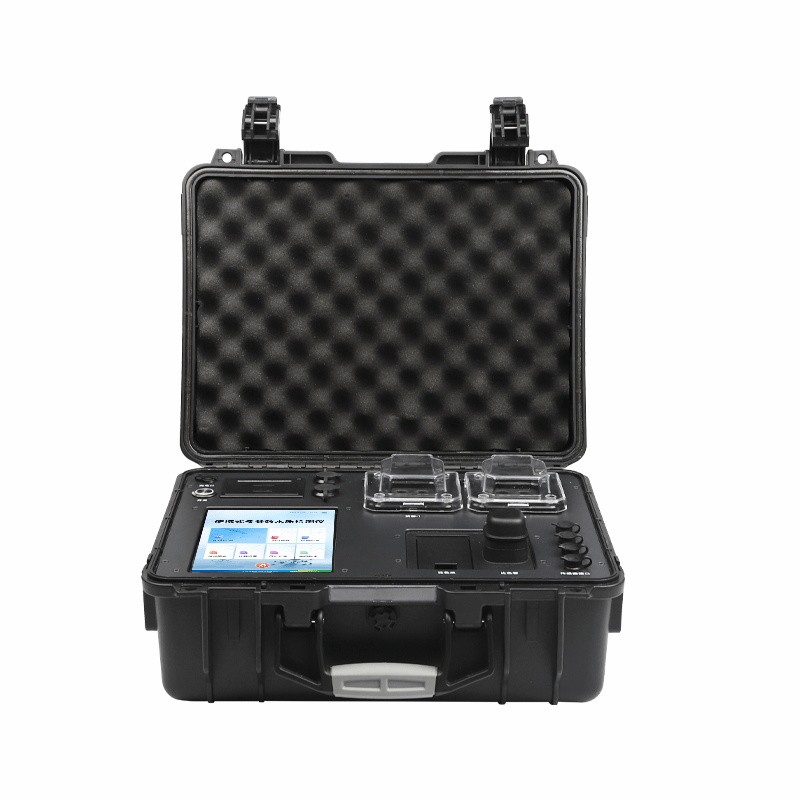
A portable water analyzer must fit both the analytical method and the field logistics. HM-B100 combines measurement and dual-zone digestion in a carrying case. Plan power, reagent handling, sample transport and result records together before an on-site testing visit.
HM-B100 is part of the HENG MEI Intelligent Manufacturing range supplied by Shandong Hengmei Electronic Technology Co., Ltd.
How the measurement works
HM-B100 brings photometric water testing and dual-zone digestion into a carrying-case system. The field workflow still needs the parameter-specific reagent, preparation and reaction conditions. Sample identity and location connect each measured result to the water-quality question.
Plan the site visit around the complete workload
List the sites, samples and parameters before packing. Allocate reagents, controls, clean preparation space, power accessories and waste containers to that workload. Include transport and cooling time in the visit schedule. Decide how records will be retained when network service is unavailable and transferred when a connection is restored.
Technical configuration
| Parameter | Specification |
|---|---|
| Digestion configuration | 8 positions in two temperature zones |
| Measurement formats | Tube and cuvette photometry |
| Format | Integrated carrying-case system |
Allocate field controls and digestion positions
If six site samples each need one digestion and the eight-position module reserves two positions for controls, one batch covers that layout. If the samples require two separate digestion methods, schedule the positions and temperature zones according to those methods. Reagent demand follows the sample-method combinations plus the control reactions.
Keep site measurements comparable
Record the collection time, preservation, parameter method, dilution and reaction conditions. For repeated visits, preserve the location identity and sampling procedure. Use a consistent reporting unit and analytical fraction when reviewing trends. Assess unusual values with the associated controls and field notes.
Plan a multi-site water testing visit
Arrange the sampling route with the requested parameters, holding conditions and the time needed for preparation. Pack reagents and consumables by method so the operator can identify the correct materials at each site. Establish a clean working arrangement and the required containment for residues. Check sample labels against the location record before starting a reaction or digestion. Where several sites are visited in one day, preserve collection and measurement times separately. Reconcile the final results with the route list and retain any field observations needed to interpret an unexpected value.
Put the selected method into practice
- Label samples and record location, collection time and the requested tests.
- Prepare a stable working area and arrange reagents, blanks and controls.
- Run the specified reaction or digestion and measurement sequence.
- Save the result with dilution and site information, then manage residues according to the procedure.
Plan support for common operating issues
| Operating issue | Checks and follow-up |
|---|---|
| Power planning limits the visit | Review the configured power requirements and the actual digestion workload. |
| Field results vary from later laboratory results | Compare collection, holding time, preservation and method conditions. |
| Location data are incomplete | Link the sample ID to the site record before measurement. |
Plan the complete working configuration
Estimate the number of sites and parameters, then plan the complete field kit. Include accepted power arrangements, consumable storage, clean preparation space, waste containers and cooling time. Establish how sample IDs and locations will be recorded and how data will be transferred when connectivity is available. Verify battery and power requirements for the actual configured workload.
Define the acceptance and reporting requirements
Agree on the following items when configuring HM-B100. They connect the equipment and consumables to the intended measurement and provide a basis for operator training and result review.
- Site, sample and collection time
- Preservation and holding conditions
- Parameter, dilution and controls
- Power, data transfer and waste handling
Questions from buyers and laboratory teams
Can every water parameter be measured directly at collection?
Follow each method for preservation, preparation and timing.
What should field capacity calculations include?
Count sites, samples, controls, digestion slots, reaction and cooling time, power and consumable supply.
For a HM-B100 configuration enquiry, provide the sample type, required measurements, expected workload and reporting requirements. Include the consumables, preparation equipment and support arrangements needed at the installation site.
Address of this article:https://www.kjhm.net/news/portable-water-analyzers-for-field-sampling.html
 Related News
-
13 / 2026-11
HENG MEI Intelligent Manufacturing Liquid Density Meters and Concentration Readings
Learn more
-
13 / 2026-11
HENG MEI Intelligent Manufacturing Choosing an Automatic Kjeldahl Analyzer
Learn more
-
22 / 2026-05
HM Instruments Biological Toxicity Analyzer FAQ: Technical Questions Answered
Learn more
-
08 / 2026-06
HM Instruments Portable Water Quality Analyzer FAQ Technical Questions
Learn more