

 Current
Location:
HENG MEI Intelligent Manufacturing Choosing an Automatic Kjeldahl Analyzer
Article Source: Hengmei Technology Release time:2026-11-13 13:35:22
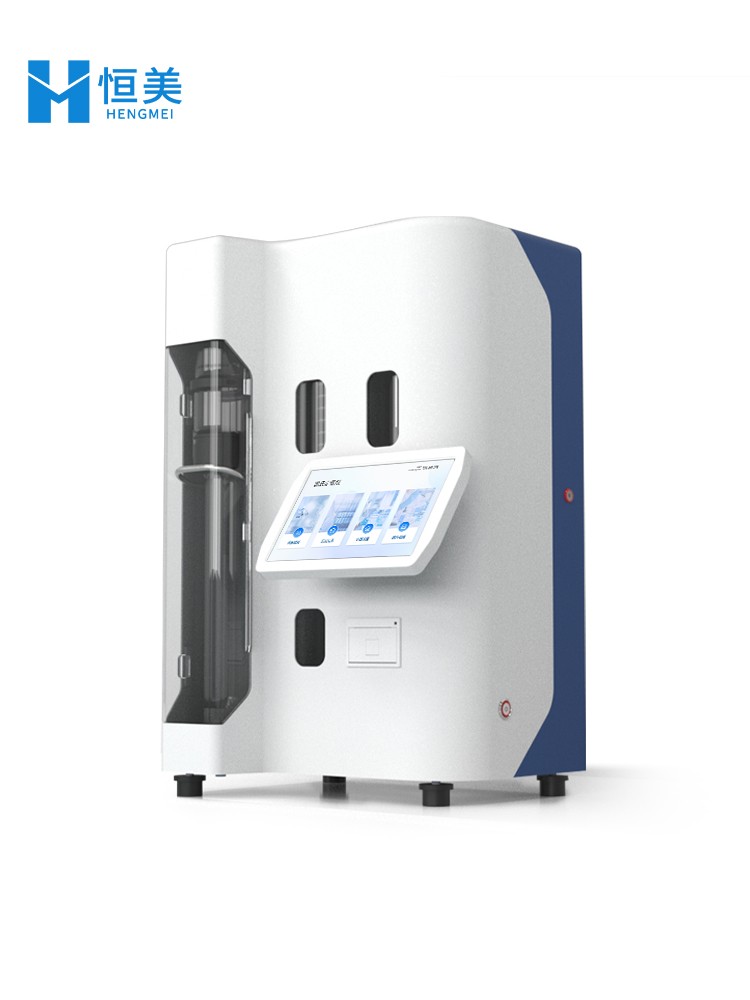
Choose an automatic Kjeldahl analyzer by the nitrogen range, sample preparation and automation steps required. HM-DN2 automates reagent addition, distillation, absorption and titration. Plan digestion and the subsequent determination together when estimating sample throughput.
HM-DN2 is part of the HENG MEI Intelligent Manufacturing range supplied by Shandong Hengmei Electronic Technology Co., Ltd.
How the measurement works
HM-DN2 automates reagent additions, distillation, absorption and titration in a Kjeldahl nitrogen workflow. Sample digestion precedes the determination sequence. The final calculation uses sample quantity, blank treatment, titrant information and the selected reporting factors.
Compare automation across the complete method
Define the sample types and expected nitrogen loading, then configure digestion and determination together. Include cooling-water supply, reagents, reference checks and operator handling in the installation plan. For protein reporting, establish the conversion factor required for each sample group and keep it with the analytical method.
Technical configuration
| Parameter | Specification |
|---|---|
| Nitrogen range | 0.1–240.0 mg N |
| determination speed | 3–9 minutes per sample |
| Titration step | 1.0 µL per step |
Calculate protein from the measured nitrogen basis
A sample containing 2.00% nitrogen gives 12.50% calculated crude protein when the applicable method uses a factor of 6.25. The calculation is 2.00 × 6.25. Use the factor specified for the particular material and method. Preserve the nitrogen result and conversion factor so the protein value can be reconstructed.
Separate determination speed from total turnaround
The determination stage runs at 3–9 minutes per sample under the selected conditions. Digestion, cooling, transfers, blanks and control review also require time. A realistic capacity plan accounts for the preparation batch and the sequential determination stage, together with cleaning and reagent changes.
Coordinate digestion and sequential determination
A laboratory running several digestion batches should plan how prepared samples reach the Kjeldahl determination stage. Reserve capacity for blanks, recovery checks and reference materials, and preserve vessel identity during cooling and transfer. Set the sample quantity and protein factor through the method for the material being tested. Review changes in titrant consumption alongside blank and control behavior before accepting a batch. Organizing these stages together helps the laboratory use automation effectively while maintaining the records required to reconstruct both nitrogen and calculated protein results.
Put the selected method into practice
- Prepare and digest the sample using the selected method.
- Establish the blank and standardized titrant conditions.
- Run the programmed reagent addition, distillation, absorption and titration sequence.
- Review control results and apply the appropriate nitrogen-to-protein factor where required.
Plan support for common operating issues
| Operating issue | Checks and follow-up |
|---|---|
| Recovery checks shift | Review digestion, standard preparation, titrant and the distillation arrangement. |
| Blank values increase | Check reagents, water, vessels and the cleaning sequence. |
| Protein results differ between reports | Compare nitrogen basis, conversion factor and sample preparation. |
Plan the complete working configuration
Define the sample type, expected nitrogen loading and reference method. Check digestion equipment, distillation requirements, titration reagents and cooling-water provision as a complete configuration. Include blanks, recovery checks and reference materials in the workload. The 3–9 minute determination time addresses the instrument stage of the selected method.
Define the acceptance and reporting requirements
Agree on the following items when configuring HM-DN2. They connect the equipment and consumables to the intended measurement and provide a basis for operator training and result review.
- Sample mass and digestion
- Blank and standardized titrant
- Nitrogen result and controls
- Protein factor and reporting basis
Questions from buyers and laboratory teams
Is one protein factor appropriate for every food?
Use the conversion factor required by the sample-specific analytical method.
Does full automation remove the digestion stage?
The complete Kjeldahl method includes the required preparation and digestion before the determination sequence.
For a HM-DN2 configuration enquiry, provide the sample type, required measurements, expected workload and reporting requirements. Include the consumables, preparation equipment and support arrangements needed at the installation site.
Address of this article:https://www.kjhm.net/news/choosing-an-automatic-kjeldahl-analyzer.html
 Related News
-
13 / 2026-11
HENG MEI Intelligent Manufacturing Selecting a Microwave Digestion System
Learn more
-
23 / 2026-07
Top 5 Reliable Haze Meter Manufacturers & Brand Recommendation 2026 | HM Instruments
Learn more
-
13 / 2026-11
HENG MEI Intelligent Manufacturing Choosing an ATP Hygiene Luminometer
Learn more
-
16 / 2025-09
Smart Water Quality Management: The Portable Multi-Parameter Analyzer
Learn more