

 Current
Location:
Current
Location:HM Instruments HM-GW Rice Freshness Meter: Five-Unit Deployment at Qingzhen National Grain Reserve
Article Source: Hengmei Technology Release time:2026-08-05 14:25:16
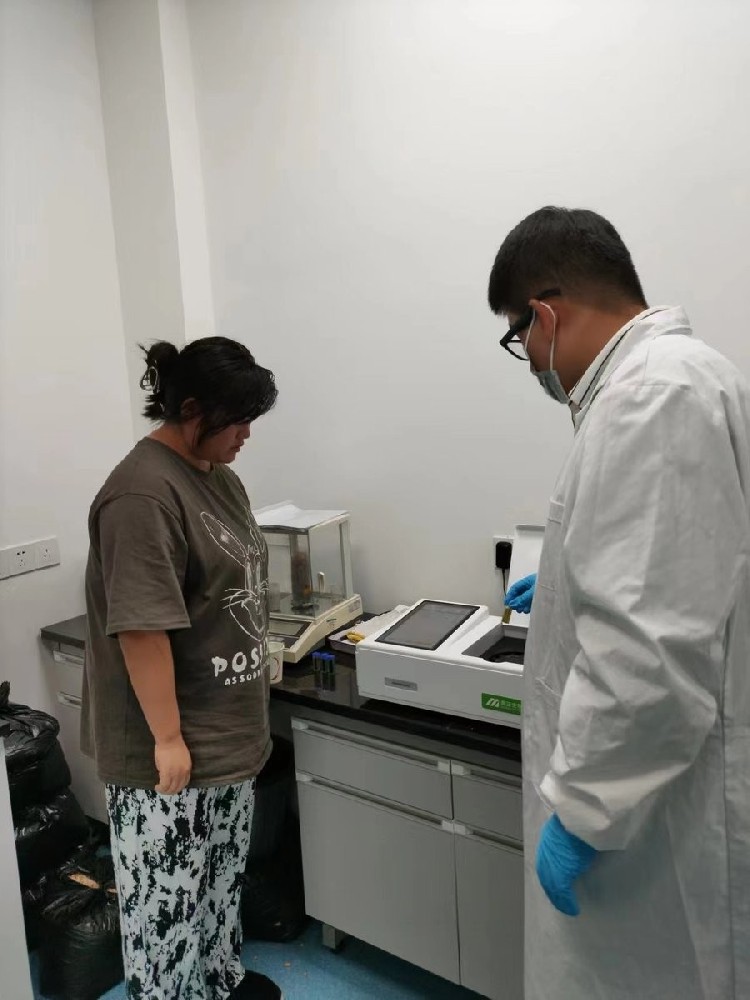
At the Qingzhen National Grain Reserve in Guizhou Province, stored paddy rice represents both a public food-security asset and a rotating commercial inventory. Deciding when a lot is still fit for extended storage, when it should be released, and when it needs reconditioning depends heavily on freshness. In 2023, the reserve equipped its quality-control laboratory with five HM Instruments HM-GW rice freshness meters so that technicians could evaluate rice freshness quickly, objectively, and in line with the Chinese grain-industry standard LS/T 6118-2017.
Project Snapshot
| Item | Detail |
|---|---|
| Country | China |
| Region | Guizhou Province, Qingzhen City |
| Customer type | National grain reserve depot |
| Model supplied | HM-GW rice freshness meter |
| Quantity | 5 units |
| Configuration | Host unit, sample pre-processing accessories, freshness reagent, built-in thermal printer per unit |
| Training model | On-site installation, calibration verification, and hands-on training for QC technicians |
| Interface language | Chinese touchscreen interface |
| Deployment date | 2023 |
Why the Customer Bought
Grain reserves manage large quantities of paddy rice that may remain in storage for one or more years. During that time, lipids oxidize, volatile aldehydes and ketones accumulate, and the eating quality of the grain declines. Reserve managers need a reliable way to track this change without relying solely on sensory panel tasting, which is subjective, slow, and difficult to document for audit purposes. Three operational pressures drove the purchase:
- Incoming lots varied in age and provenance. Fresh rice from the current harvest had to be distinguished from carry-over stock before blending or release.
- Sensory evaluation was inconsistent across shifts. Different tasters produced different scores, especially for borderline samples.
- Audit documentation was fragmented. Handwritten tasting sheets were hard to link to specific bins and dates.
The reserve needed an instrument that could convert freshness into a numerical score, print a timestamped result, and store data for later retrieval. The HM-GW was selected because it is designed specifically for the LS/T 6118-2017 method for rice freshness determination.
Why the HM-GW Was Selected
The reserve evaluated three approaches: manual sensory panels, third-party laboratory testing, and dedicated freshness meters. Sensory panels were too variable for compliance work. Outsourcing introduced transport delays and could not support same-day decisions when a truck was waiting to unload. A general-purpose colorimeter would not have included the rice-specific calibration curves required by the national standard.
- Standard-specific design. The HM-GW follows LS/T 6118-2017 for paddy freshness evaluation, giving the reserve confidence that its results would be recognized during inspections.
- Quantitative freshness value. The meter reports a freshness degree (FD) score from 0 to 100, replacing subjective taste scores.
- Built-in thermal printer. Each unit can generate a paper record immediately after measurement, supporting traceability.
- Five-unit deployment. Multiple benches can run parallel testing during peak intake seasons, preventing bottlenecks.
- Four built-in calibration lines. The instrument covers northern japonica, southern japonica, northern indica, and southern indica rice types.
Deployment / Installation / Training
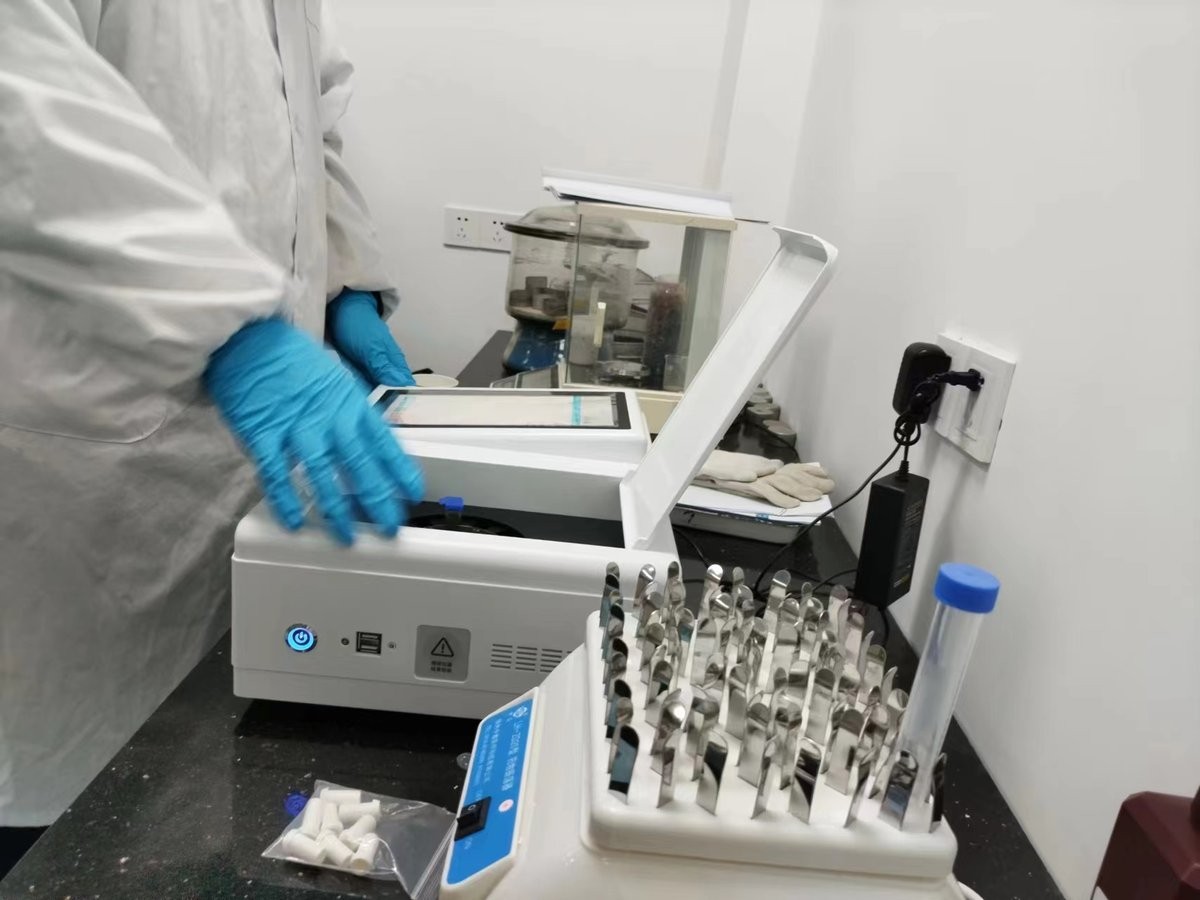
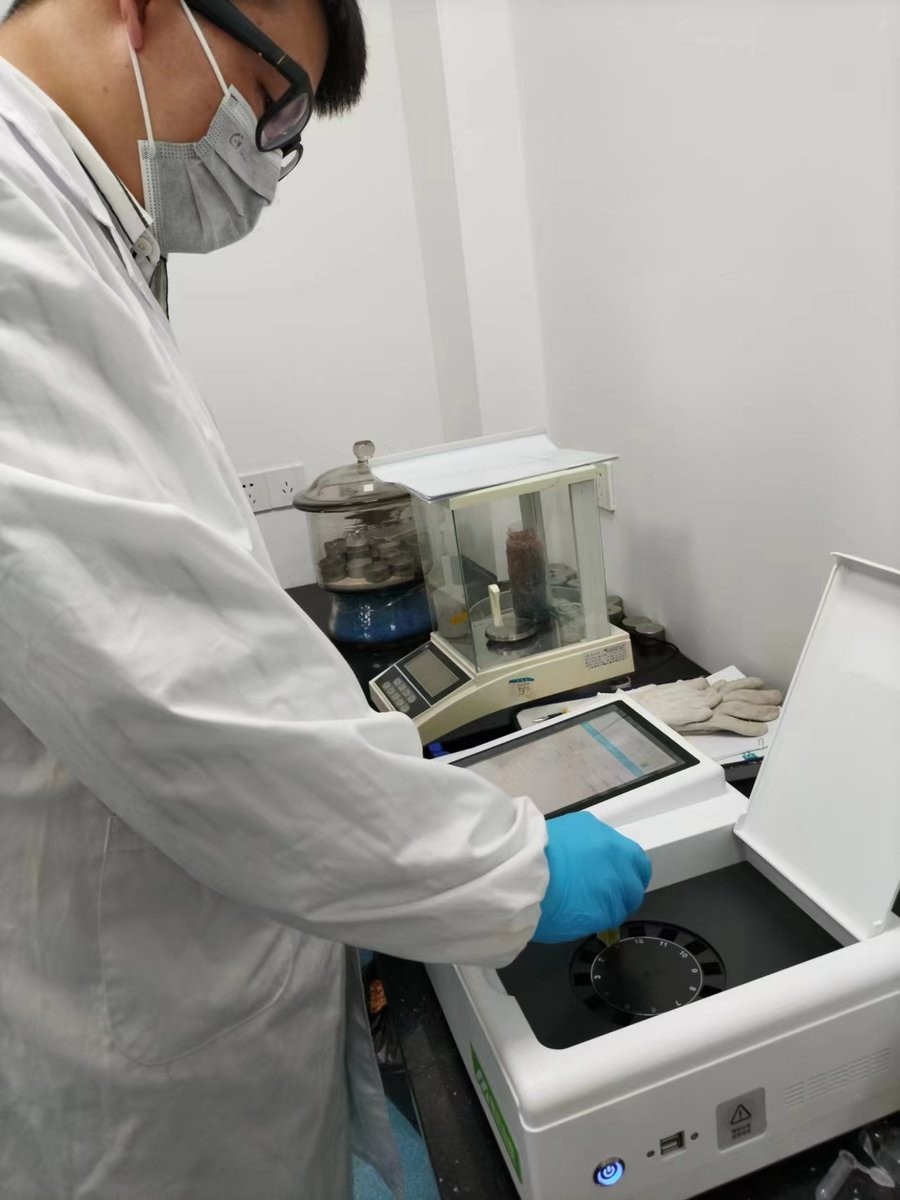
All five units were delivered to the reserve's central laboratory, where HM Instruments engineers unpacked each meter, checked the touchscreen, printer, and centrifuge-compatible sample pre-processor, and ran a calibration verification using supplied reference standards. Because the HM-GW uses a colorimetric reaction between milled rice and a dedicated freshness reagent, the training emphasized proper sample milling, reagent dosing, mixing, centrifugation, and measurement timing.
Training was conducted over two days. Day one covered the chemistry of rice aging, the meaning of the FD value, and the standard operating procedure. Day two was devoted to hands-on practice, with each technician processing real reserve samples and comparing instrument readings against sensory notes. The engineers also demonstrated data export to a PC, batch record management, and routine maintenance such as printer-paper replacement and cuvette cleaning.
Configuration Delivered (per unit)
| Item | Qty |
|---|---|
| HM-GW host unit | 1 |
| Sample pre-processing accessories | 1 set |
| Freshness reagent supply | Initial batch |
| Built-in thermal printer | 1 |
| Power cable and data cable | 1 set |
Results Reported / What Changed
| Indicator | Before | After |
|---|---|---|
| Freshness assessment method | Sensory tasting panel | Instrumental FD value per LS/T 6118-2017 |
| Time per batch of six samples | 30 to 60 minutes (panel scheduling) | 6 minutes |
| Result repeatability | Subjective, taster-dependent | FD repeatability ≤ ±2 points |
| Documentation | Handwritten tasting sheets | Printed and electronic records |
| Rice-type coverage | Generic tasting | Four regional rice-type calibration lines |
| Parallel testing capacity | One panel at a time | Five benches operating simultaneously |
Specifications Relevant to This Deployment
| Parameter | Specification |
|---|---|
| Standard compliance | LS/T 6118-2017 Rice Freshness Determination |
| Measurement object | Paddy rice (milled to third-grade milled rice) |
| Detection item | Rice FD value (freshness degree) |
| Sample mass | 0.5–2 g |
| Measurement range | 0–100 points |
| Processing speed | 6 minutes for 6 samples |
| FD repeatability | ≤ ±2 points |
| Operating temperature | 18–25 °C |
| Operating humidity | ≤80 % RH (no condensation) |
| Display | 5-inch touchscreen LCD |
| Power supply | AC 200–240 V, 50/60 Hz |
| Data output | Built-in thermal printer; PC upload via upper-computer software |
Freshness Monitoring as a Storage-Management Tool
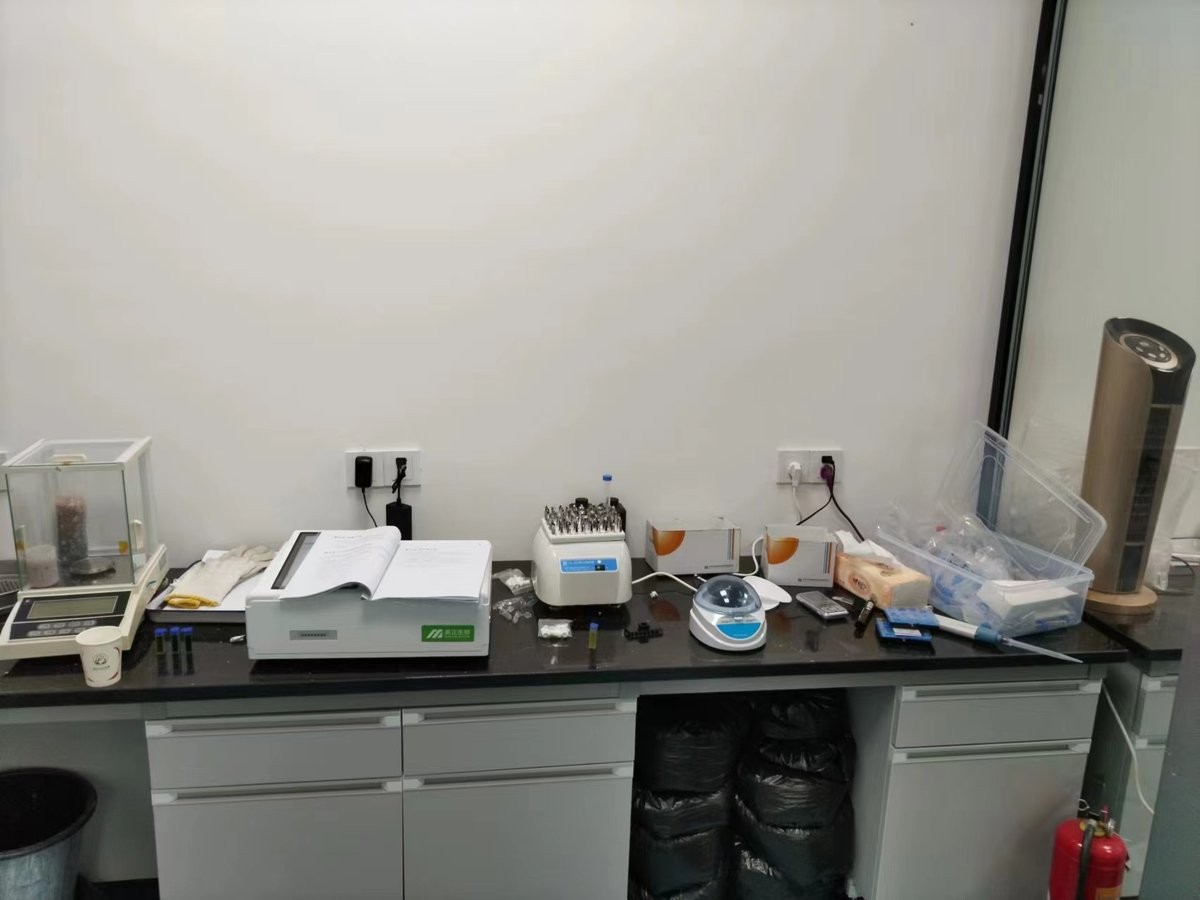
In a national reserve, freshness data are not only a quality metric but also a logistics signal. A falling FD value in a particular silo may indicate that the lot should be rotated before the next intake surge, or that aeration and temperature control need adjustment. By measuring samples from each bin on a regular schedule, the Qingzhen reserve can build trend curves that support proactive management rather than reactive disposal.
The HM-GW's four built-in calibration lines are particularly valuable because Guizhou receives rice from multiple production zones. A northern japonica sample and a southern indica sample respond differently to aging, and using the wrong calibration would bias the result. Technicians select the appropriate line before measurement, ensuring that the FD value reflects the rice type being tested.
Integrating Instrumental Results with Traceability Systems
Modern grain-reserve management relies on electronic records that link each analytical result to a bin number, a lot number, and a date. The HM-GW supports this requirement through its upper-computer connection. After a testing session, technicians can upload the batch to a PC, where records are stored in a structured format suitable for audit reports. This digital trail complements the printed strip produced by the built-in thermal printer, giving the reserve both a physical receipt and a searchable database.
The reserve has also incorporated the FD measurement into its release protocol. Before any rice is transferred out of storage, a freshness check is performed and the result is attached to the release documentation. This step reduces the risk of substandard grain entering the market and provides a defensible quality record if questions arise later.
Managing Seasonal Workload Peaks
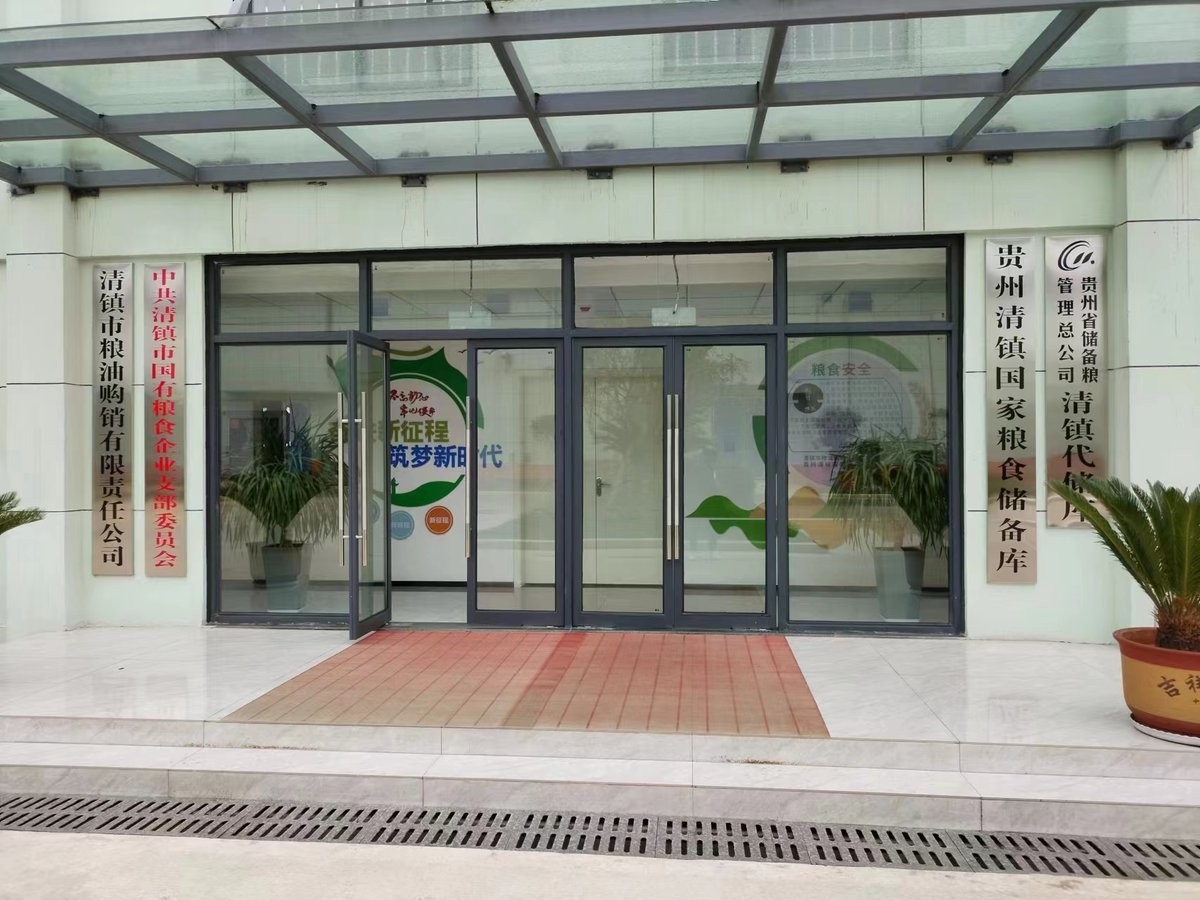
Grain intake is highly seasonal. During the post-harvest period, the reserve may receive dozens of truckloads per day, each requiring quality verification before acceptance. With five HM-GW units distributed across the laboratory, the reserve can process multiple samples in parallel without creating a single queue. Each technician handles one instrument, following the same standard operating procedure, so results remain comparable across benches. This parallel workflow has shortened the average waiting time for incoming trucks and reduced congestion in the unloading area.
During quieter months, the instruments are used for routine surveillance of stored lots. Technicians pull samples from representative bins, measure FD values, and compare them against previous months. A gradual decline is expected, but a sudden drop may trigger a detailed investigation into storage conditions. In this way, the five units remain productive throughout the year rather than sitting idle outside harvest season.
Operator Training and Method Standardization
Because the reserve employs multiple shifts, method standardization is essential. The HM-GW's touchscreen-guided workflow reduces variation between operators by prompting each step in the correct sequence. New staff members can be trained on a single instrument and then rotate to any of the other four units with confidence. The reserve has also prepared a quick-reference card that maps FD ranges to recommended actions, ensuring that freshness data translate consistently into operational decisions.
Periodic verification checks are performed using control samples with known freshness values. These checks confirm that all five instruments are reading within the stated repeatability tolerance and that drift has not occurred since the last service visit. The results are recorded in a central log, providing evidence of ongoing quality assurance for internal audits and external inspections.
The Chemistry Behind the Freshness Value
Understanding why the FD value changes helps technicians interpret borderline results. As paddy rice ages, lipids in the bran layer undergo oxidation and hydrolysis. Among the breakdown products are aldehydes and ketones, whose concentration increases progressively during storage. The LS/T 6118-2017 method exploits this relationship: milled rice is mixed with a dedicated freshness reagent, and the reaction produces a colour change whose intensity correlates with the accumulated carbonyl compounds.
Because the reaction is chemical rather than sensory, it is insensitive to the fatigue, expectation bias, and palate variation that affect human tasters. However, it is sensitive to procedural detail. Milling degree matters because the bran layer carries most of the oxidised lipids; the standard therefore specifies milling to third-grade milled rice. Reagent volume, mixing time, and centrifugation speed all influence colour development, which is why the reserve invested two full days in training rather than a brief demonstration.
Technicians are also taught to recognise interference. Samples contaminated with foreign matter, or rice that has been subject to unusual drying conditions, may produce anomalous readings. In such cases the standard operating procedure calls for resampling and, if the anomaly persists, for the lot to be referred for additional investigation rather than accepted or rejected on a single reading.
Linking Freshness Data to Rotation Economics
Freshness measurement has a direct financial dimension for a reserve. Rice held too long loses market value; rice released too early forfeits the storage subsidy and disrupts the rotation schedule. Before the HM-GW units were installed, rotation decisions were driven largely by calendar age and visual inspection. Two lots of identical age could differ substantially in actual condition, yet both would be treated the same way.
With FD values recorded on a regular schedule, the reserve can now rank lots by measured condition rather than by date alone. A lot stored under favourable conditions may retain an acceptable FD value well beyond its nominal age, allowing the reserve to defer rotation and reduce handling cost. Conversely, a lot showing an unexpectedly rapid decline can be prioritised for release before further value is lost.
Over a full storage cycle, these adjustments accumulate. Reserve staff describe the change as moving from a fixed schedule to a condition-based schedule. The instrument does not make the decision, but it supplies the objective evidence on which the decision rests, and it does so in a form that can be presented to auditors and supervising authorities without further interpretation.
Product and Company Context
The HM-GW rice freshness meter [planned slug, product page to be created] is one of several grain-quality instruments offered by HM Instruments for reserve depots, mills, and inspection centres. For laboratories that also need moisture profiling, the HM-GP200 NIR grain analyzer [planned slug, product page to be created] can complement freshness testing with rapid protein, moisture, and starch data.
Reserve managers report that the availability of objective freshness data has improved communication with both suppliers and downstream customers. When a supplier questions a rejection or a customer asks about storage history, the reserve can produce a printed FD trace rather than relying on memory or handwritten notes. This transparency strengthens commercial relationships and supports the reserve's reputation for consistent quality management.
Looking ahead, the reserve plans to extend freshness monitoring from the central laboratory to satellite storage sites. The compact footprint and stable performance of the HM-GW make it feasible to install additional units closer to the grain, reducing sample transport time and enabling faster response when storage anomalies are detected. This decentralized approach aligns with the reserve's broader strategy of moving quality control upstream in the supply chain.
HM Instruments is the international brand of Shandong Hengmei Electronic Technology Co., Ltd., a national high-technology enterprise, Shandong gazelle enterprise, and specialized "little giant" SME listed on the New Fourth Board (equity code 306008). The company holds ISO 9001 quality management certification (No. 06524Q02062ROM), an intellectual-property management system certificate (472IP190206R0S), 3A credit-enterprise certification (HXZC201968486), after-sales service certification (78323SC0008R0S), occupational health and safety certification (06524S00854ROM), and environmental management certification (06524E00905ROM). With a research team of more than one hundred engineers and around 150 core patents, HM Instruments supports its instruments through 280 service centres across China, offering a 12-month whole-unit warranty, lifetime technical support, lifetime free training, and lifetime maintenance. Certificate metadata is notarised on the Zhixin (至信链) blockchain and verifiable at zxscan.qq.com.
Questions Raised by Other Reserve Depots
Can the meter test paddy directly without milling? No. The method defined in LS/T 6118-2017 requires the paddy to be hulled and milled to third-grade milled rice before the reagent reaction, because the measured compounds concentrate in the outer layers of the kernel.
How is the correct calibration line chosen? Technicians select from four built-in lines covering northern japonica, southern japonica, northern indica, and southern indica rice. The choice is based on the declared variety and origin recorded on the intake documentation.
What happens to the waste solution? The reagent system is designed so that spent test solution can be discharged into the normal drainage system, which simplifies laboratory waste handling compared with methods requiring solvent recovery.
Address of this article:https://www.kjhm.net/case/hm-gw-rice-freshness-meter-case-qingzhen-grain-reserve.html
 Related News
-
19 / 2024-12
Fully automatic Kjeldahl nitrogen analyzer: an accurate and efficient protein analysis tool.
Learn more
-
24 / 2025-12
HM-Y100 Portable Near-Infrared Rapeseed Analyzer Product Knowledge Graph White Paper
Learn more
-
05 / 2026-06
Coefficient of Friction Tester Manufacturers & Brand Guide
Learn more
-
12 / 2024-09
Handheld Capsaicin Detector: A Powerful Tool For Detecting The Spiciness Of Peppers.
Learn more