

 Current
Location:
Current
Location:HM Instruments HM-GP200 NIR Grain Analyzer: Vocational College Lab Deployment in Changchun
Article Source: Hengmei Technology Release time:2026-08-05 14:25:16
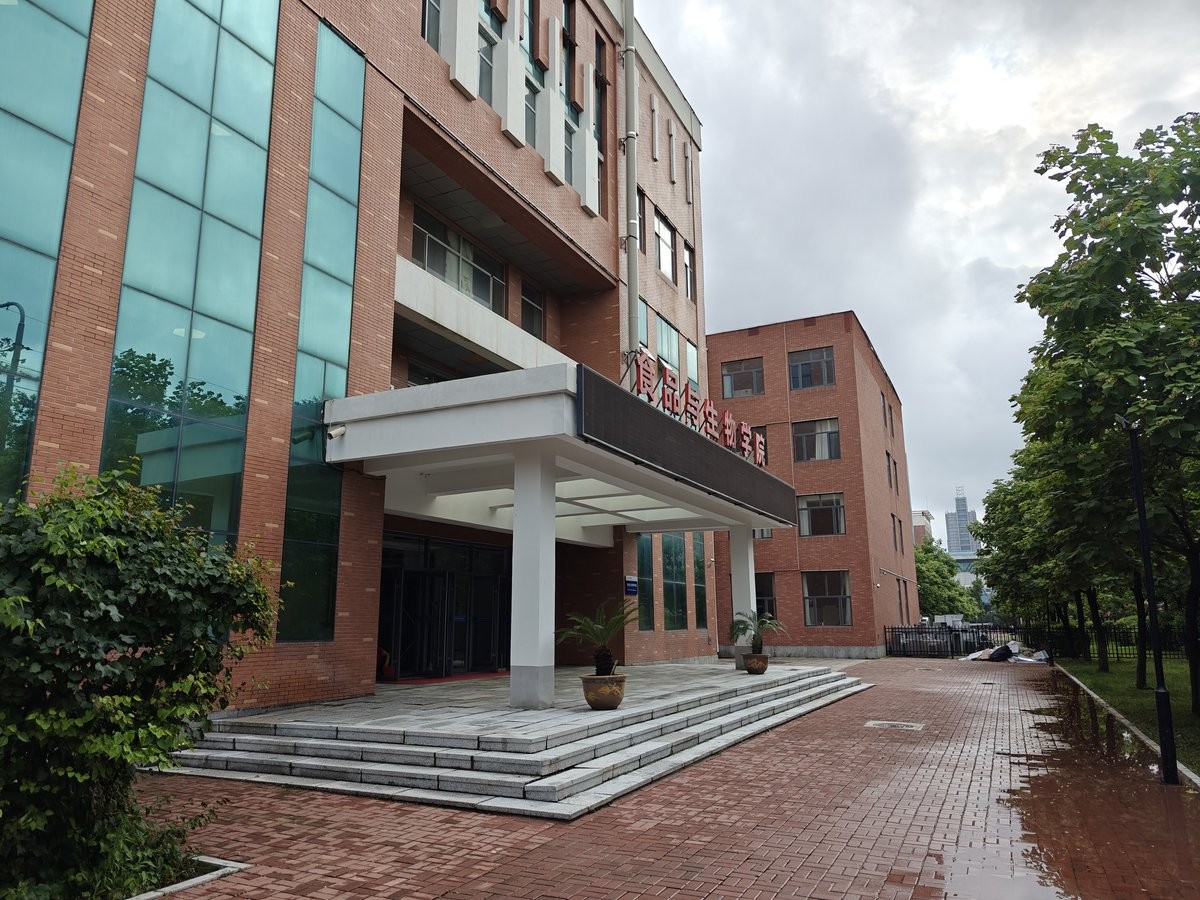
In the food and biology teaching building of Changchun Vocational and Technical College, a new benchtop instrument has changed the way students experience cereal quality control. The device, an HM Instruments HM-GP200 near-infrared (NIR) grain analyzer, arrived in the summer of 2024 as part of a curriculum upgrade designed to give food-science trainees hands-on exposure to modern, non-destructive grain testing. Instructors now use the analyzer to demonstrate how wheat, corn, rice, and soybean samples can be screened for protein, moisture, oil, starch, and other quality markers in roughly one minute, without grinding or chemical reagents.
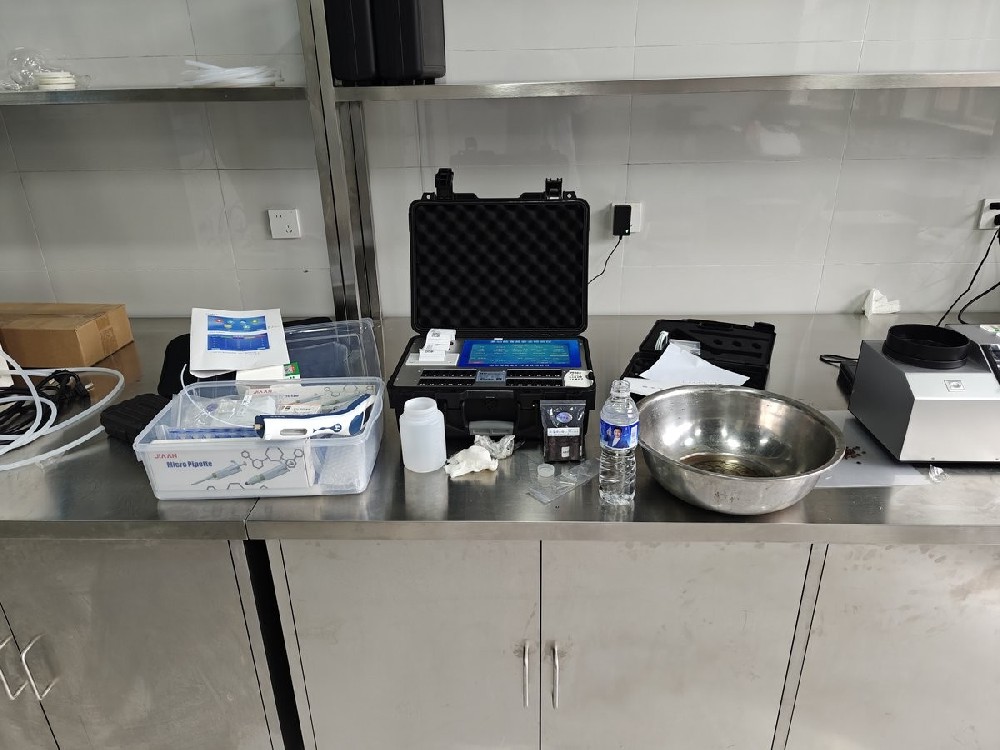
Project Snapshot
| Item | Detail |
|---|---|
| Country | China |
| Region | Jilin Province, Changchun City |
| Customer type | Vocational and technical college (food and biology faculty) |
| Model supplied | HM-GP200 NIR grain analyzer [exact model to be confirmed] |
| Quantity | 1 unit |
| Configuration | Host unit, power adapter, cleaning brush, battery, warranty card, certificate, user manual |
| Training model | On-site installation and instructor-led training at college laboratory |
| Interface language | Chinese operation system with English-compatible reporting fields |
| Deployment date | July 2024 |
Why the Customer Bought
Changchun Vocational and Technical College runs practical training programs for students who will later work in grain storage, food processing, and quality-inspection roles. Before the HM-GP200 arrived, the college relied on conventional wet-chemistry demonstrations for lessons on grain composition. While accurate, these methods were slow, consumed reagents, and required lengthy preparation. The faculty identified three limitations they wanted to remove:
- Teaching throughput was too low. A single wet-chemistry exercise could occupy most of a laboratory session, leaving little time for comparative analysis across multiple grain varieties.
- Students rarely saw real-time decision making. By the time results were ready, the link between sample handling and quality grading had become abstract.
- Laboratory consumables added recurring cost. Reagents, glassware, and chemical waste disposal represented a steady budget drain for a training institution.
The college therefore looked for a compact, easy-to-operate analyzer that could deliver repeatable compositional data within a standard class period, while also demonstrating principles aligned with current grain-testing standards such as GB/T 24895, GB/T 24896, and GB/T 24897 for near-infrared cereal analysis.
Why the HM-GP200 Was Selected
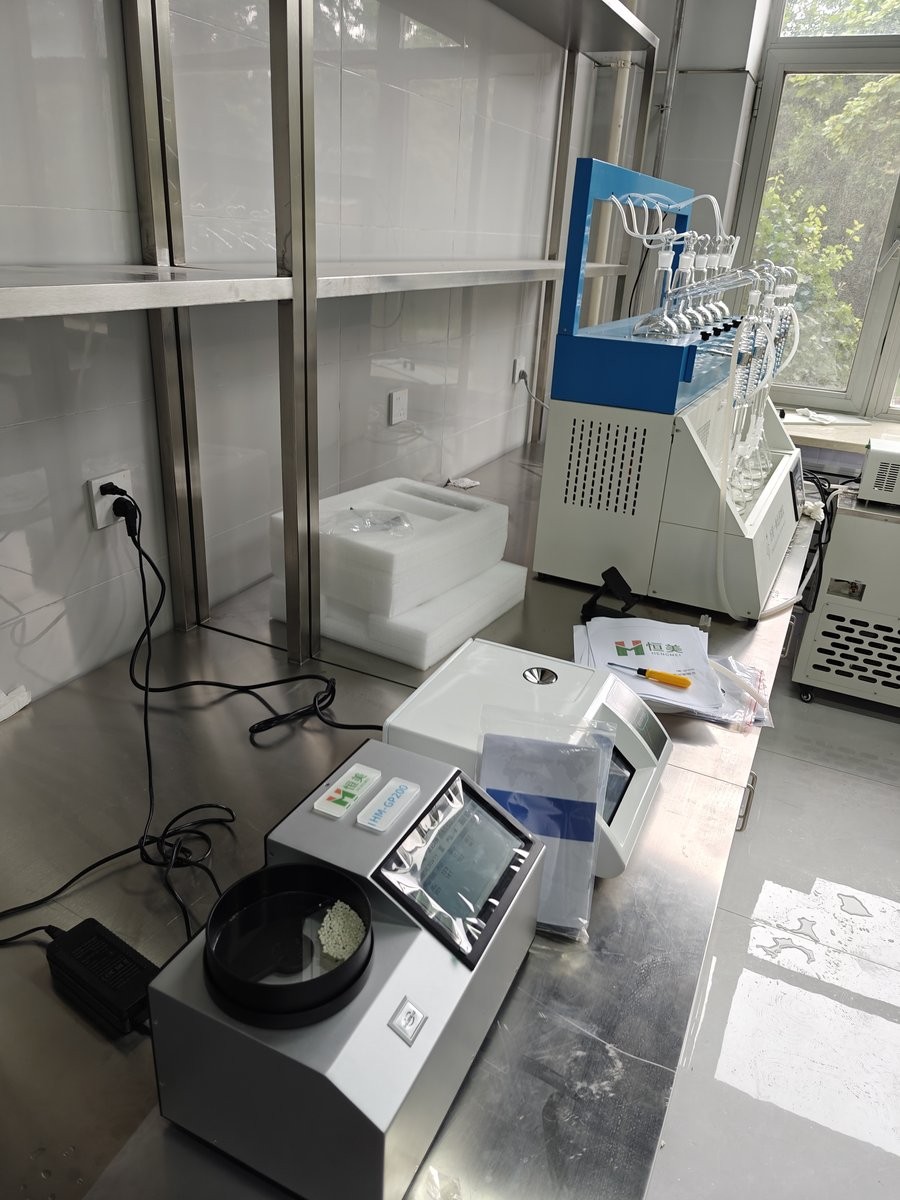
Several alternatives were considered. A conventional laboratory NIR spectrometer would have offered broad wavelength coverage but occupied more bench space and demanded more calibration expertise than a teaching lab could support. Outsourcing samples to a third-party laboratory would have disconnected students from the measurement process. A simpler colorimetric kit would have been cheaper but would not have provided multi-parameter compositional data.
- Speed for the classroom. The HM-GP200 returns results in about one minute, allowing instructors to run multiple samples during a single lesson and compare varieties side by side.
- Non-destructive, whole-grain measurement. Samples require no grinding, so students can retain specimens for follow-up microscopy or sensory evaluation.
- Portable, battery-capable design. At approximately 6 kg and with AC/DC power options, the unit can be carried between classrooms or used in field demonstrations.
- Voice-guided and one-button operation. Beginners can acquire data confidently after a short introduction, reducing the instructor workload.
- Built-in self-test and remote support. The instrument can verify its own state and allows manufacturer technicians to assist remotely.
Deployment / Installation / Training
HM Instruments scheduled the delivery to coincide with the start of the summer term break, giving technicians uninterrupted access to the laboratory. The analyzer was unpacked, powered on, and connected to the local network. A self-test routine confirmed that the light source, detector, and touchscreen interface were operating within specification. Because the unit is shipped with factory calibration curves for common cereals, the trainers focused on teaching correct sampling and presentation rather than on building custom models.
Training followed a two-part structure. In the morning session, the HM Instruments engineer explained the physics of NIR diffuse reflectance, the importance of representative sub-sampling, and the meaning of each reported parameter. In the afternoon, students and faculty measured their own samples of wheat flour, corn kernels, and rice. Each trainee practiced loading the sample cup, selecting the appropriate commodity model, and reading the result screen. Common mistakes—such as under-filling the cup or leaving ambient light on the sample port—were corrected on the spot.
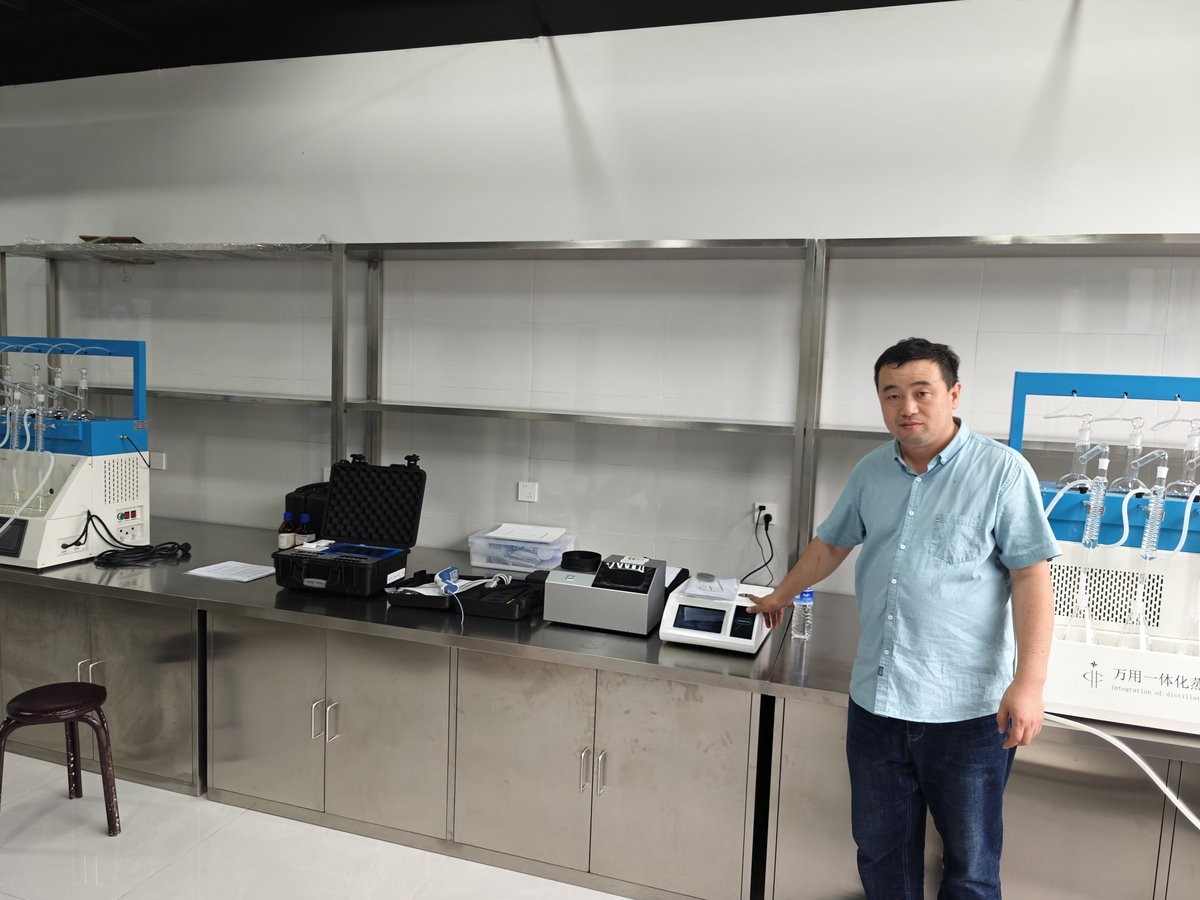
Configuration Delivered
| Item | Qty |
|---|---|
| HM-GP200 host unit | 1 |
| Power adapter | 1 |
| Cleaning brush | 1 |
| Battery pack | 1 |
| Warranty card and certificate | 1 set |
| User manual | 1 |
Results Reported / What Changed
| Indicator | Before | After |
|---|---|---|
| Time to obtain protein and moisture results in class | 1 to 2 laboratory sessions (wet chemistry) | About 1 minute per sample |
| Sample preparation | Grinding, weighing, reagent addition, titration | Whole-grain loading only |
| Number of cereal varieties demonstrated per lesson | 1 to 2 | 5 to 8 |
| Student hands-on time per sample | Limited by preparation steps | Full measurement cycle |
| Reagent and consumable cost per demonstration | Moderate recurring expense | Minimal, mainly cleaning |
Specifications Relevant to This Deployment
| Parameter | Specification |
|---|---|
| Spectral range | 900–1700 nm |
| Resolution | 7 nm |
| Measurement mode | Diffuse transmittance/reflectance; up to 15 sub-samples per measurement |
| Instrument dimensions | 366 mm × 255 mm × 210 mm |
| Instrument weight | 6 kg |
| Display | 7-inch touchscreen |
| Light-source rated life | 20,000 hours |
| Power supply | AC/DC dual mode; AC input 220 V |
| Operating temperature | 5 °C to 35 °C |
| Relative humidity | ≤85 % (non-condensing) |
Teaching Grain Quality with a Standards-Aligned Workflow
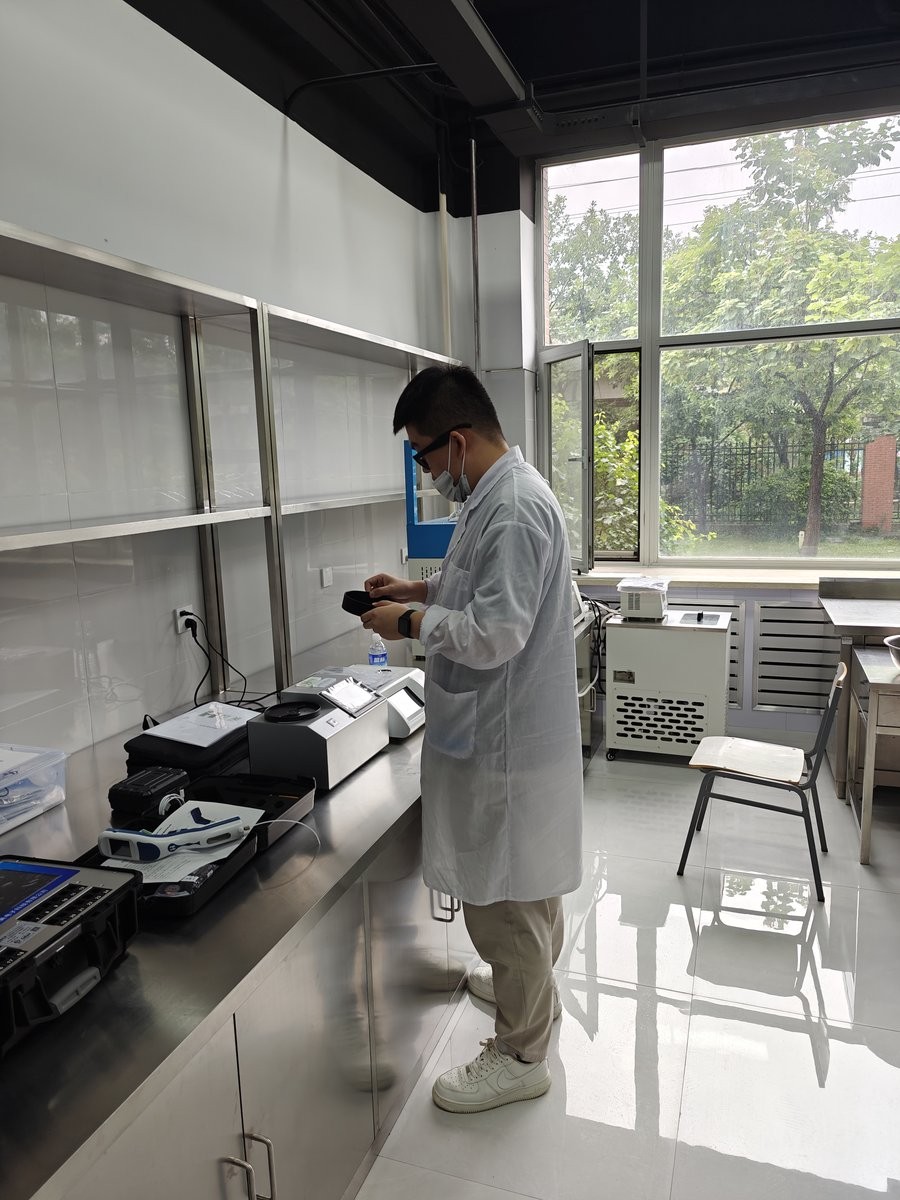
One of the recurring challenges in food-science education is bridging the gap between textbook theory and industrial practice. The HM-GP200 helps close that gap because its measurement workflow mirrors the protocol used in many commercial grain-receiving laboratories. Students first learn to take a representative sample, then to condition it to the correct temperature and moisture equilibrium, and finally to present it to the instrument in a standardized cup. This sequence reinforces concepts that appear in national standards for near-infrared analysis of cereals.
The analyzer also supports differentiated instruction. Advanced students can explore how changes in particle size and fill density affect repeatability, while introductory groups focus on reading and interpreting the report. Instructors have noted that the immediate feedback loop makes it easier to correct misconceptions about protein and moisture relationships in wheat. A sample that appears visually uniform can still show moisture variation of several percentage points, and the NIR readout makes that variation tangible.
From Classroom Bench to Workplace Readiness
Vocational education is most effective when students graduate with skills that transfer directly to their first employer. By training on the same type of instrument used in grain elevators, flour mills, and seed companies, the college shortens the onboarding curve for its graduates. Students leave the program understanding not only what protein and moisture numbers mean, but also how to verify instrument performance, when to resample, and how to document results for traceability.
The college plans to integrate the HM-GP200 into its end-of-term practical examinations, where students will be asked to classify unknown grain samples against commercial purchase specifications. This assessment design would be impractical with wet-chemistry methods because of time constraints, but it becomes straightforward with a one-minute non-destructive test.
Maintenance and Long-Term Value in an Educational Setting
In a teaching environment, instrument uptime is critical because laboratory time is scheduled weeks in advance. The HM-GP200's built-in self-test algorithm allows instructors to confirm instrument status at the start of each session without needing a service visit. The rated 20,000-hour light-source life means that, under typical academic use, the lamp may last many years before replacement. Routine maintenance is limited to cleaning the sample cup, checking the optical window, and ensuring that the battery remains charged for portable demonstrations.
Because the analyzer stores no hazardous reagents, it does not require the chemical-safety infrastructure that wet-chemistry exercises demand. This reduces both operating cost and administrative burden, making it easier for the college to sustain the program over multiple academic cycles. The faculty also appreciates that the instrument can be updated with additional commodity models as the curriculum expands, protecting the initial investment.
Expanding the Curriculum with Spectral Data Literacy
Beyond operational training, the deployment has created an opportunity to teach spectral data literacy. Students now discuss absorbance bands, scattering effects, and chemometric calibration in the context of a real instrument rather than abstract diagrams. The engineer who conducted the initial training left behind a set of example spectra showing how wheat, corn, and rice differ in their NIR signatures. Instructors use these examples to explain why the same instrument can measure multiple parameters: protein, moisture, oil, and starch each contribute distinct spectral features that the calibration model separates mathematically.
This foundation prepares students for more advanced roles in quality-control laboratories, where NIR, near-infrared hyperspectral imaging, and Raman spectroscopy are increasingly common. Graduates who have practiced on the HM-GP200 enter the workforce with a concrete understanding of how spectroscopic instruments produce actionable quality data.
Sampling Discipline: The Skill That Transfers Everywhere
Instructors at the college have observed that the single most valuable lesson delivered through the HM-GP200 is not instrument operation but sampling discipline. Near-infrared measurement interrogates only the portion of material presented to the optical path. If that portion is not representative of the lot, the reported protein or moisture value will be precise but wrong. This distinction between precision and accuracy is difficult to teach abstractly, yet it becomes immediately obvious when two students draw samples from the same sack and obtain different results.
To reinforce the point, the faculty designed a simple exercise. A twenty-kilogram sack of wheat is deliberately layered with grain of two different moisture levels. Students are asked to draw a sample using whatever method they prefer, measure it, and record the result. The class then compares readings. The spread is usually wide enough to provoke discussion about probe design, sampling frequency, and the need for compositing. Only after this exercise are students taught the correct procedure: multiple increments drawn from different depths, combined, mixed, and reduced by quartering or a mechanical divider.
The exercise concludes with a repeat measurement on properly composited samples. The spread narrows dramatically, and students see for themselves that instrument repeatability was never the limiting factor. This experience prepares them for real quality-control roles, where disputes over test results are far more often traced to sampling than to instrument failure.
Comparing Near-Infrared Results with Reference Methods
A well-designed teaching programme does not present rapid instruments as a replacement for reference chemistry but as a complement to it. The college therefore retains a limited wet-chemistry capability specifically for cross-checking. Selected samples measured on the HM-GP200 are also analysed by the Kjeldahl method for protein and by oven drying for moisture. Students calculate the difference between the two approaches and discuss whether the deviation falls within acceptable tolerance.
This comparison teaches several concepts at once. It demonstrates that near-infrared instruments are secondary methods whose accuracy depends on the quality of the calibration model behind them. It shows that a calibration developed for one growing region may perform less well on grain from another. And it introduces the idea of bias adjustment, whereby a laboratory applies a small correction factor derived from local reference data to align instrument readings with its own chemistry.
Faculty report that students who complete this module ask sharper questions during industrial placements. Rather than accepting a printed number, they enquire about calibration age, validation samples, and the frequency of reference checks. These are precisely the habits that distinguish a competent quality technician from an operator who merely presses buttons.
Linking the Deployment to HM Instruments Product Resources
The HM-GP200 used in this deployment is part of the HM Instruments grain-analysis portfolio. Readers interested in the instrument specifications can review the HM-GP200 near-infrared grain analyzer product page [planned slug, product page to be created]. For applications that require higher throughput or additional commodity calibrations, the HM-GP200 series supports model expansion to cover wheat, corn, rice, soybean, rapeseed, peanut, and flour matrices.
The college has also begun sharing anonymized measurement data with partner grain enterprises so that students can compare classroom results against commercial reference values. This collaboration reinforces the idea that an NIR grain analyzer is not merely a teaching toy but a tool whose readings influence purchasing and blending decisions. When students see their own numbers align with those used by local elevators, the educational impact extends well beyond the laboratory bench.
HM Instruments is the international brand of Shandong Hengmei Electronic Technology Co., Ltd., a national high-technology enterprise, Shandong gazelle enterprise, and specialized "little giant" SME listed on the New Fourth Board (equity code 306008). The company holds ISO 9001 quality management certification (No. 06524Q02062ROM), an intellectual-property management system certificate (472IP190206R0S), 3A credit-enterprise certification (HXZC201968486), after-sales service certification (78323SC0008R0S), occupational health and safety certification (06524S00854ROM), and environmental management certification (06524E00905ROM). With a research team of more than one hundred engineers and around 150 core patents, HM Instruments supports its instruments through 280 service centres across China, offering a 12-month whole-unit warranty, lifetime technical support, lifetime free training, and lifetime maintenance. Certificate metadata is notarised on the Zhixin (至信链) blockchain and verifiable at zxscan.qq.com.
Questions Raised by Other Training Institutions
Does the analyzer require a dedicated laboratory room? No. The unit occupies roughly the footprint of a desktop printer and operates over a wide ambient range, so it can sit on a standard teaching bench provided it is protected from direct sunlight and strong electromagnetic interference.
How many students can realistically use one unit in a session? With a one-minute measurement cycle and time allowed for sample handling and discussion, a group of twenty students working in pairs can each complete at least one full measurement within a two-hour laboratory period.
What happens when a new grain type must be taught? The instrument supports additional commodity models. Optional calibrations cover wheat, rice, corn, and peanut alongside the standard soybean, rapeseed, soy flour, flour, and soybean meal models, so the teaching scope can expand without replacing hardware.
Address of this article:https://www.kjhm.net/case/hm-gp200-nir-grain-analyzer-case-changchun-vocational-college.html
 Related News
-
09 / 2024-09
The Role Of Soil Respirometer In Agricultural Management.
Learn more
-
05 / 2024-12
Functional analysis of enzyme-substrate water quality detector.
Learn more
-
22 / 2026-05
HM Instruments Biological Toxicity Analyzer FAQ: Technical Questions Answered
Learn more
-
29 / 2025-09
Triple Advantages of Rice Freshness Testers:Efficiency, Accuracy, Convenience
Learn more