

 Current
Location:
Current
Location:HM Instruments HM-GT4 Soil Fertilizer Tester: Xuechuan Agriculture Group Potato Enterprise Case Study Gansu
Article Source: Hengmei Technology Release time:2026-08-06 13:53:12
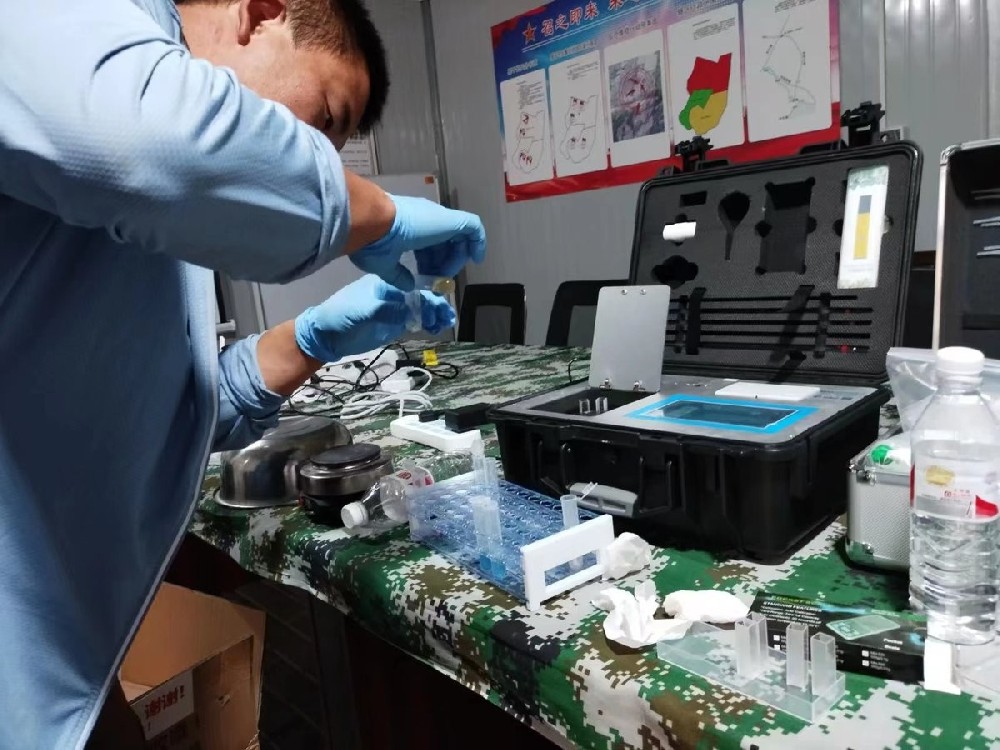
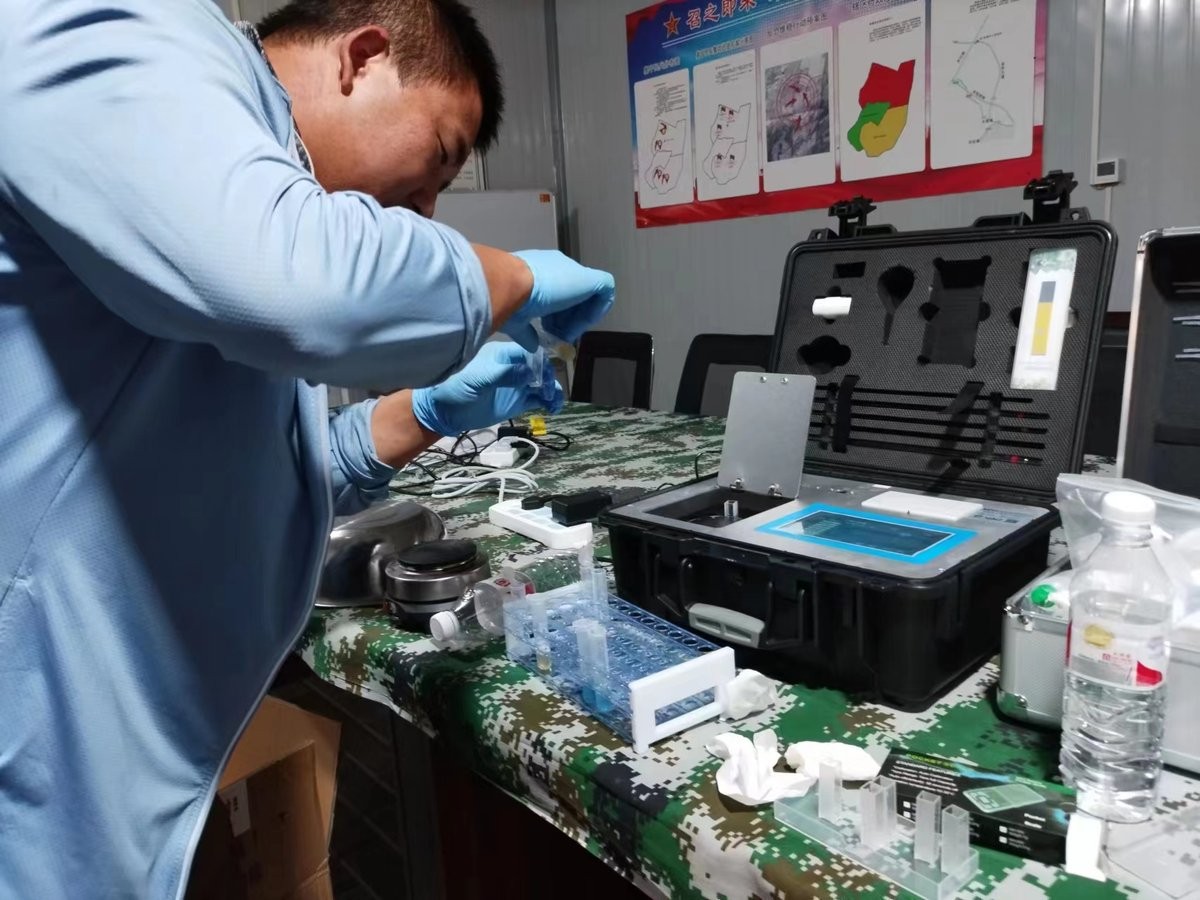
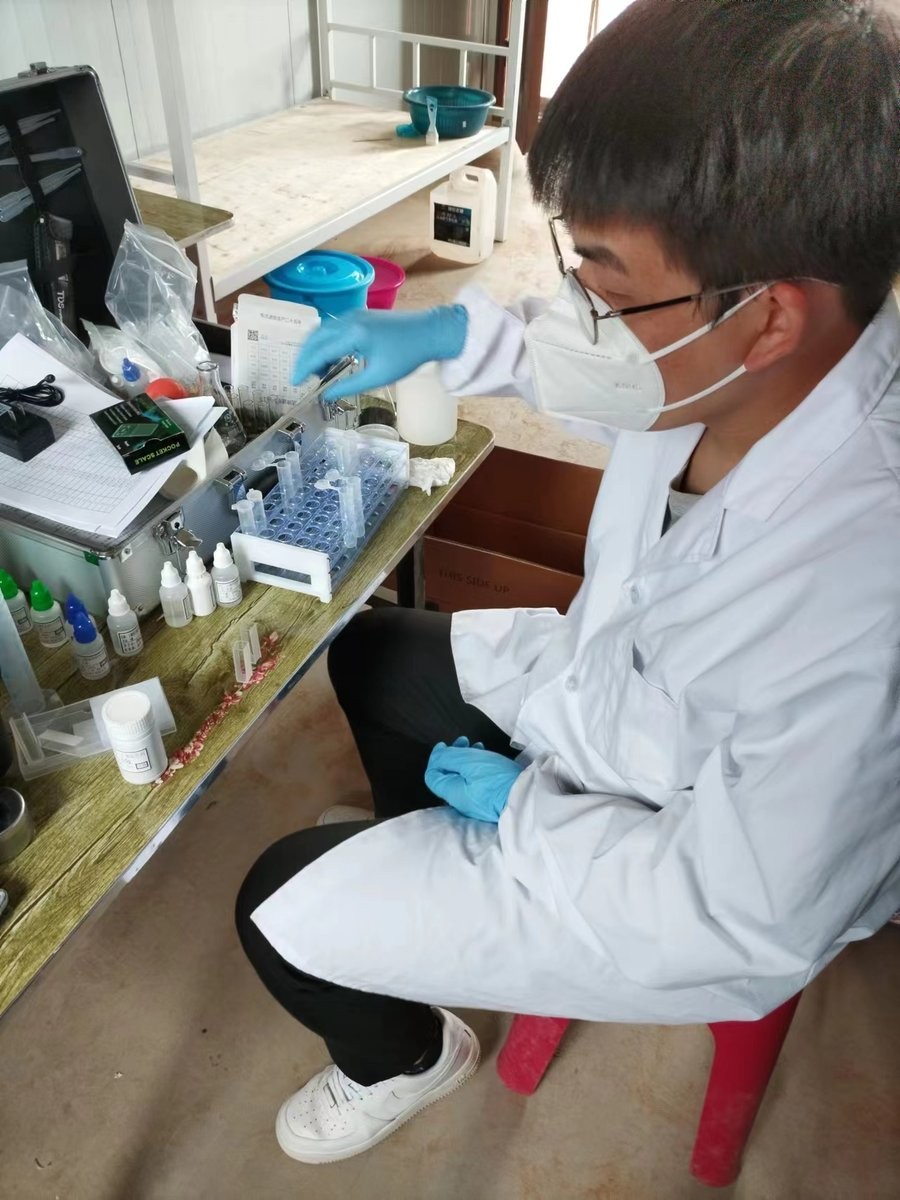
In early June 2023, inside a modest prefabricated building near a potato seed production base in Gulang County, Wuwei City, Gansu Province, an instructor wearing blue nitrile gloves leaned over a folding table covered with a camouflage-patterned cloth. His hands moved with practised precision as he drew reagent into a pipette, preparing to demonstrate the colourimetric analysis workflow. The HM-GT4 soil and fertilizer nutrient analyzer sat open beside him, its seven-inch capacitive touchscreen illuminated, instrument case revealing neatly organised cuvette positions and accessory compartments. On the wall behind him, instructional posters displayed colour-coded maps of potato cultivation zones and nutrient management guidelines. This was the opening session of a three-day on-site training programme for Xuechuan Agriculture Group Co., Ltd., one of China's largest integrated potato enterprises, as it brought in-house soil testing capability to its northwestern production bases.
Xuechuan Agriculture Group operates across the full potato value chain — from breeder seed multiplication and certified seed production to processing into frozen French fries, potato starch, and dehydrated products. Its production bases span Inner Mongolia, Hebei, and Gansu, with the Hexi Corridor region representing a strategically important area for seed potato production thanks to the arid climate, high solar radiation, and low disease pressure that favour high-quality seed tuber development. However, the same conditions that make the region ideal for seed potatoes also create challenging soil environments: alkaline pH, low organic matter, and variable salinity from irrigation demand careful nutrient management.
Prior to acquiring the HM-GT4, Xuechuan's agronomy team relied on a combination of external laboratory services and visual estimation for soil fertility decisions. External lab results, while accurate, arrived too late to influence within-season corrections. Visual assessment — judging leaf colour, plant vigour, and tuber size — provided only crude indicators of underlying nutrient status. The procurement of a portable, research-grade soil nutrient analyser represented a strategic investment in data-driven crop nutrition management tailored to the specific conditions of each base farm.
Project Snapshot
| Item | Detail |
|---|---|
| Country | China (Gansu Province, Hexi Corridor) |
| Customer type | Agricultural enterprise / Commercial potato producer — Xuechuan Agriculture Group Co., Ltd., Gulang County base farm |
| Model supplied | HM-GT4 Research-Grade Soil and Fertilizer Nutrient Analyzer |
| Quantity | 1 unit + standard accessories and reagent kit |
| Configuration | Standard configuration: main unit with built-in thermal printer, pH electrode, TDS meter, cuvettes (4 pcs), electronic balance (100g / 0.01g), graduated pipettes, AC/DC power cables, complete soil nutrient determination reagent kit, consumables kit (flasks, reaction bottles, volumetric flask, filter paper, centrifuge tubes, tube rack) |
| Training model | On-site instructor-led training over three days (2–4 June 2023) at the base farm field quarters |
| Interface language | Chinese (Android OS supports English switching) |
| Deployment setting | Field-level portable deployment; unit transportable between base farms via vehicle power |
Why the Customer Bought
Xuechuan Agriculture Group's decision to acquire an in-house soil nutrient analyser was driven by three operational pain points specific to large-scale commercial potato production in arid northwestern China:
First, the fertiliser-to-yield economics gap was widening. Potato is a nitrogen-, phosphorus-, and potassium-intensive crop. For Xuechuan's seed potato operations, where tuber size uniformity and specific gravity are critical quality parameters affecting downstream buyer acceptance, under-fertilisation directly reduces marketable yield while over-fertilisation increases input costs without proportional gains and can exacerbate environmental issues such as nitrate leaching into groundwater. Without timely soil data, agronomists were essentially fertilising based on historical averages — a practice that becomes increasingly uneconomic as fertiliser prices fluctuate and quality specifications tighten.
Second, inter-field variability within single base farms was going undetected. A Xuechuan base farm might encompass several hundred hectares divided into multiple irrigation blocks, each with different cropping histories and soil textures. A composite soil sample from an external laboratory returns a single average value that masks spatial variability. The agronomy team knew anecdotally that some fields consistently underperformed others, but lacked diagnostic throughput to systematically map fertility at the block level.
Third, external lab lead times missed top-dressing decision windows. In the Hexi Corridor climate, the potato growing season runs from late April through September. The critical period for in-season nitrogen adjustment — when tuber initiation begins and nitrogen demand peaks — falls between mid-June and mid-July. Soil samples collected in early June need results by mid-June to inform top-dressing. External laboratories with 2–3 week turnaround cannot deliver within this window. An on-site analyser producing N-P-K-pH results within 30 minutes per sample closes this gap entirely.
Why the HM-GT4 Was Selected
Xuechuan's technical evaluation compared the HM-GT4 against three categories of alternatives: pocket-style handheld soil meters, competing brand portable colourimetric analysers, and continued reliance on external laboratories. The GT4 was selected based on five key differentiators:
- Research-grade accuracy suitable for commercial fertility programming. Unlike low-cost handheld meters that estimate nutrients via electrical conductivity or optical reflectance with large uncertainty bands (often ±30–50% of the reading), the GT4 uses true wet-chemistry colourimetry following established extraction protocols. Its repeatability error of ≤0.02% and linearity error ≤0.1% place it in the same accuracy tier as bench-top laboratory spectrophotometers. For an enterprise making fertiliser purchasing decisions worth hundreds of thousands of RMB per season, analytical precision translates directly into economic optimisation.
- Twelve-channel rotating design enables batch processing of field-block samples. During peak sampling periods — pre-plant baseline surveys, in-season monitoring rounds, post-harvest residual assessments — the agronomy team may collect 20–40 samples per day across multiple fields. The GT4's twelve-position rotating cuvette chamber allows a full batch of twelve samples to be analysed sequentially without operator intervention between readings. Combined with a test speed of ≤30 minutes per sample for N-P-K (including extraction), this means a morning's worth of sample collection can be fully processed by afternoon, generating same-day results that inform next-day operational decisions.
- Built-in crop expert system covers potato and regional crops. The GT4's Android operating system includes a fertilisation recommendation database covering more than 100 crop types, including potato and other staple crops grown in the Hexi Corridor (maize, wheat, sunflower, vegetable melons). After entering soil test results and a target yield, the system calculates recommended application rates for nitrogen, phosphorus, and potassium. While Xuechuan's senior agronomists apply their own professional judgement to refine these recommendations, the system provides a consistent, documented starting point that reduces variability between individual agronomists' prescriptions.
- Ruggedised portable design suited to base-farm conditions. The GT4's high-strength PVC engineering plastic carrying case, dual power supply (AC mains or DC 12V lithium battery with vehicle adapter), and built-in thermal printer mean the unit can operate in remote base-farm conditions: dust, temperature fluctuations, intermittent power, and the need for on-site printed records. These features distinguish it from laboratory-only instruments requiring a dedicated climate-controlled room.
- Total cost of ownership favourable versus ongoing external lab fees. At roughly the cost of 50–80 external soil panel tests (depending on local lab pricing), the GT4 pays for itself within one to two seasons of routine use. Thereafter, the marginal cost per sample drops to reagent consumables only — estimated at RMB 15–25 per N-P-K-pH-organic matter panel. For an enterprise conducting 200–400 soil tests annually across its base farms, the cumulative savings are substantial.
Deployment, Installation, and Training
The HM-GT4 unit was shipped to Xuechuan Agriculture Group's Gulang County base farm in late May 2023. An HM Instruments application engineer arrived on 2 June to begin a three-day training programme conducted entirely on-site at the base farm's field quarters — a functional workspace equipped with tables, power outlets, and basic amenities, reflecting the real-world operating environment where the instrument would be used day-to-day.
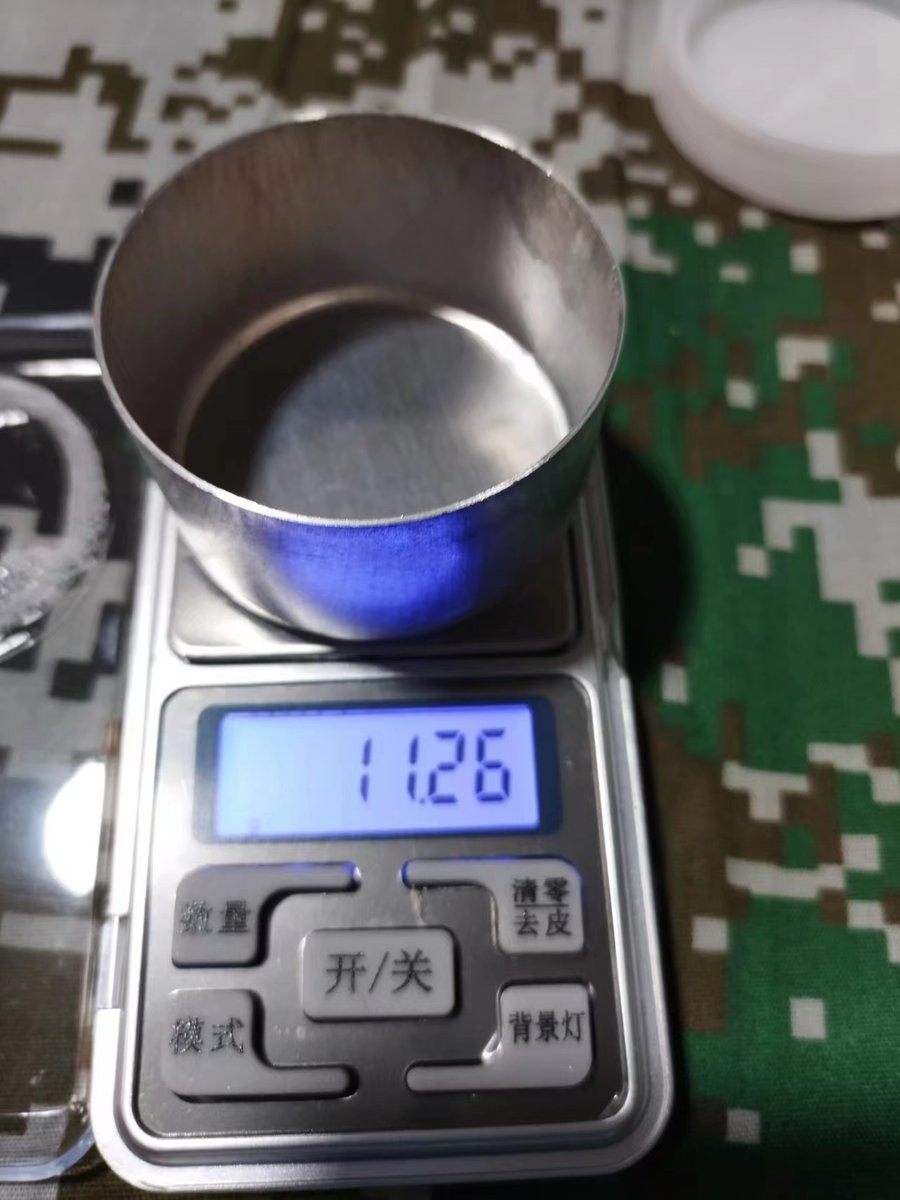
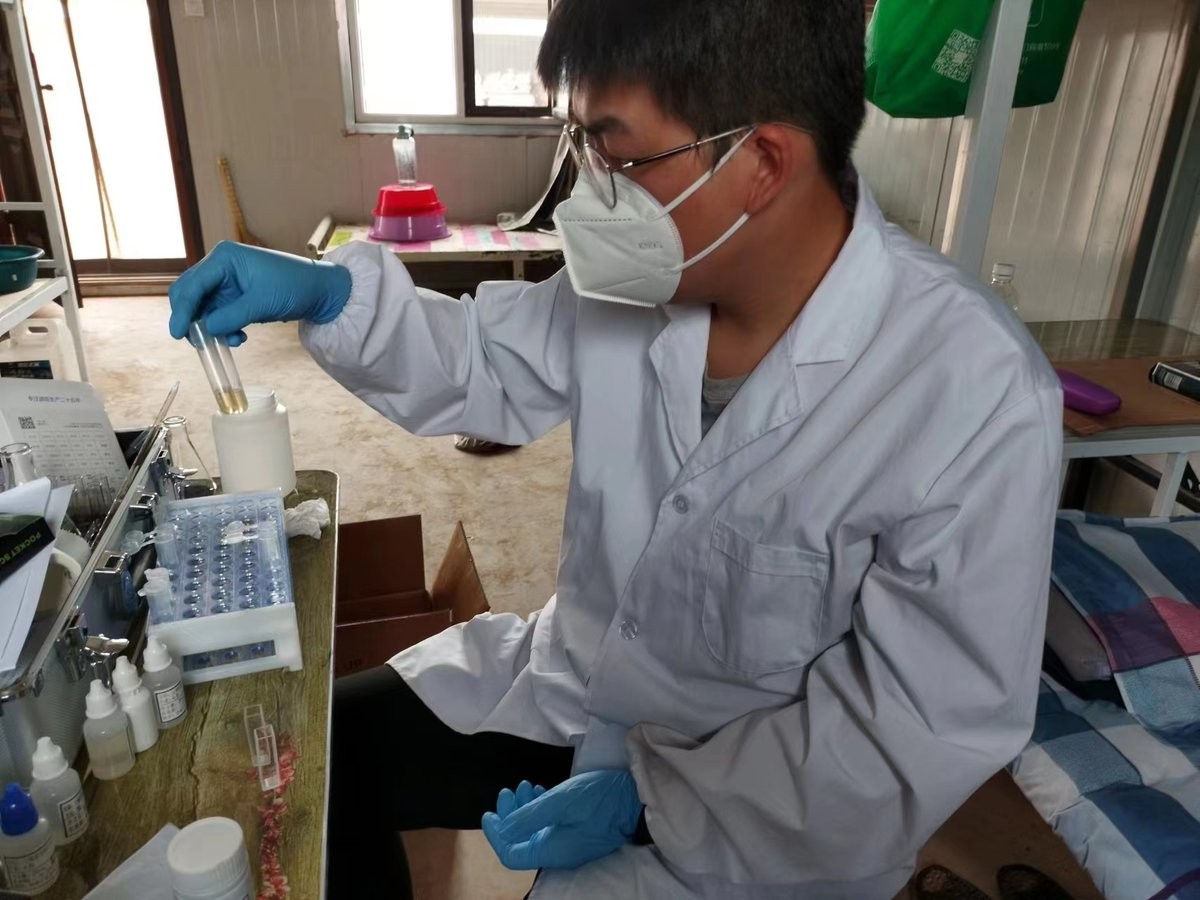
Day One covered hardware setup, safety protocols, and the fundamental soil extraction workflow. The instructor unpacked the main instrument case and accessory case, verified all components against the configuration checklist, and demonstrated proper care of sensitive components (the pH electrode storage solution, cuvette cleaning procedure, electronic balance calibration using the included calibration weight). Safety instruction emphasised correct handling of extraction chemicals, proper ventilation during extraction steps, and disposal of spent solutions in accordance with local agricultural waste regulations. The instructor then performed a complete end-to-end demonstration: weighing a soil sample on the digital balance (the display showing 11.26 g in one photograph from the session), transferring to an extraction vessel, adding extractant, shaking, allowing settling time, transferring an aliquot to a reaction cuvette, adding colour-developing reagent, inserting into the GT4's rotating channel, and reading the result on the touchscreen.
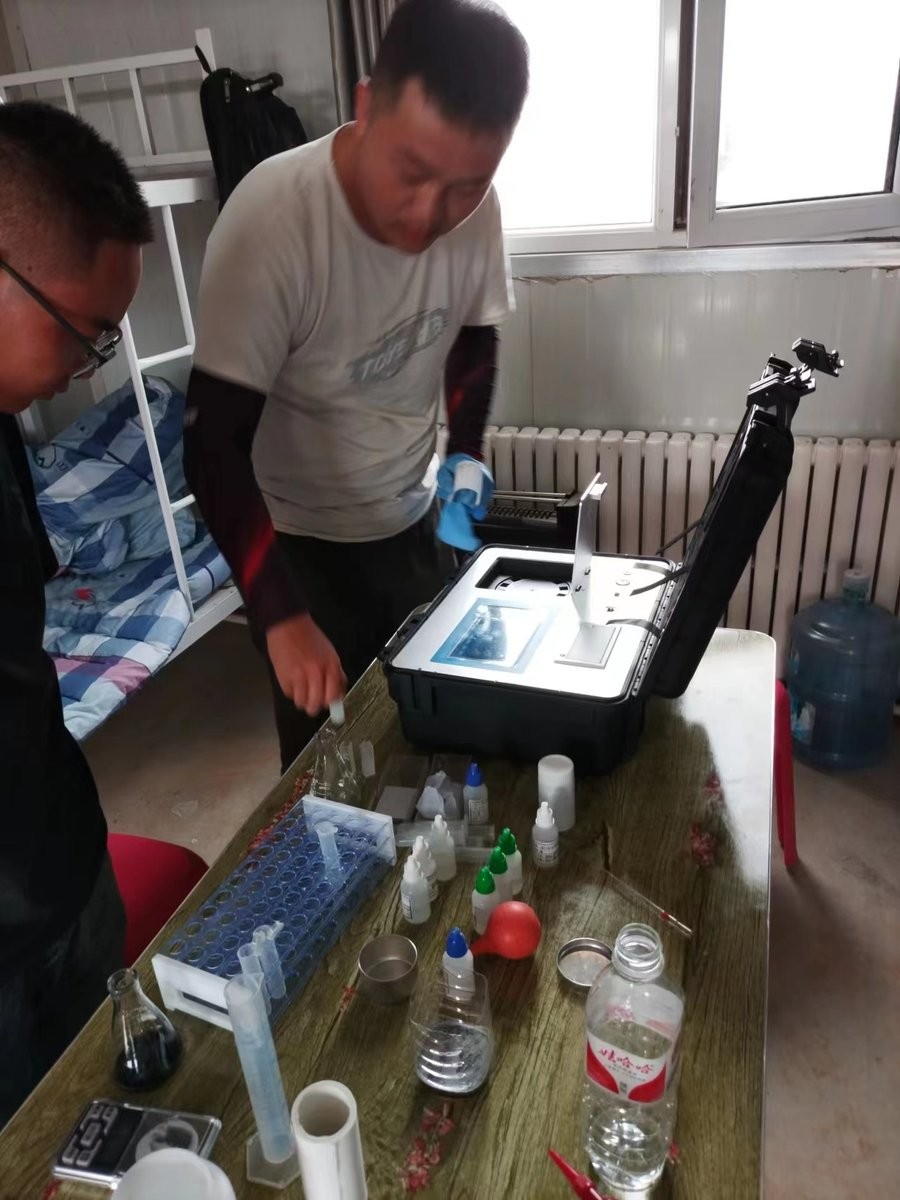
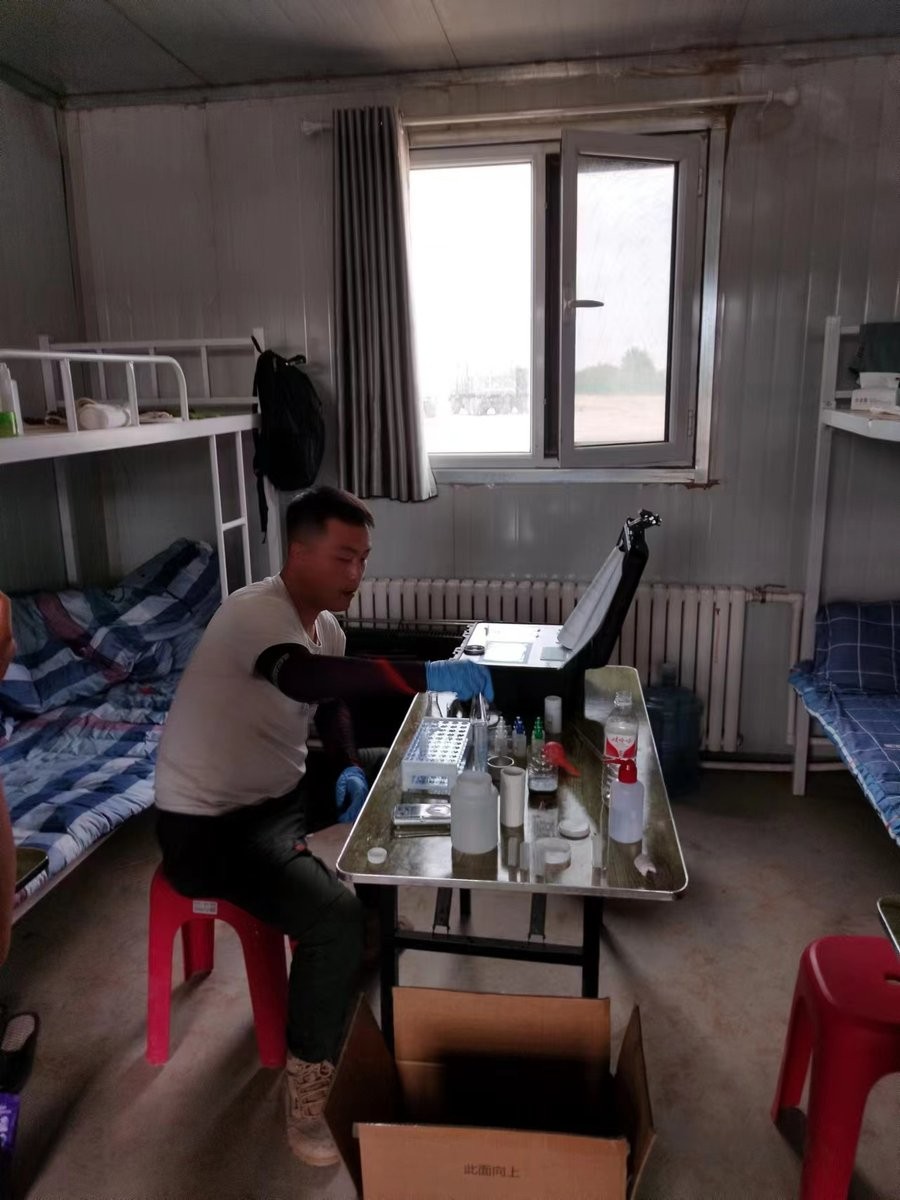
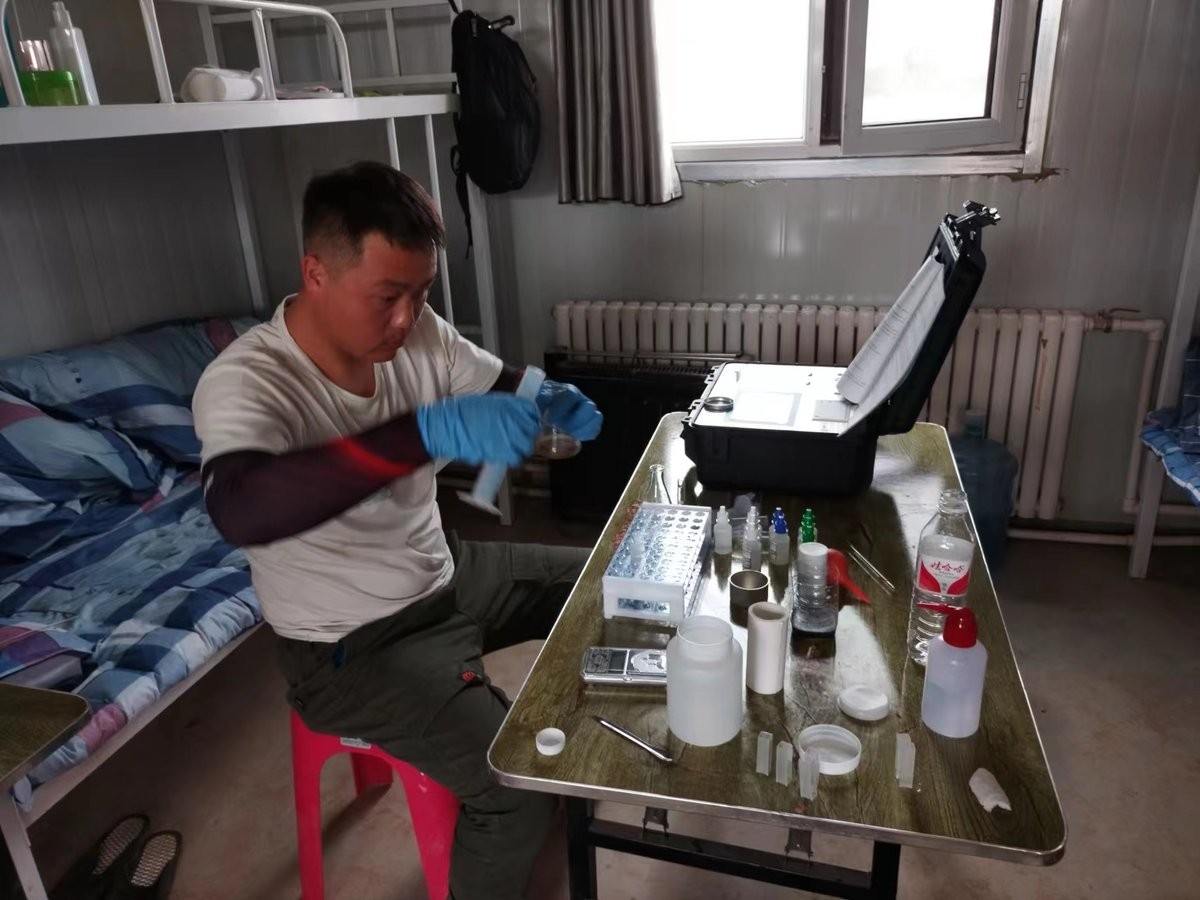
Day Two focused on trainee hands-on practice. Xuechuan's agronomy staff — including base farm technicians and regional agronomists — took turns performing the complete workflow under the instructor's guidance. Particular attention was paid to techniques that affect result accuracy: ensuring representative soil sampling (avoiding field edges, fertiliser bands, and unusual spots), achieving consistent sample weight on the balance, thorough mixing during extraction, proper cuvette positioning (eliminating air bubbles on the optical surface), and correct interpretation of the touchscreen readout. Photographs from the session show trainees seated on red plastic stools around a wooden table, handling test tubes, reagent bottles, and the GT4 unit itself in the informal but focused atmosphere of the field-quarters training space.
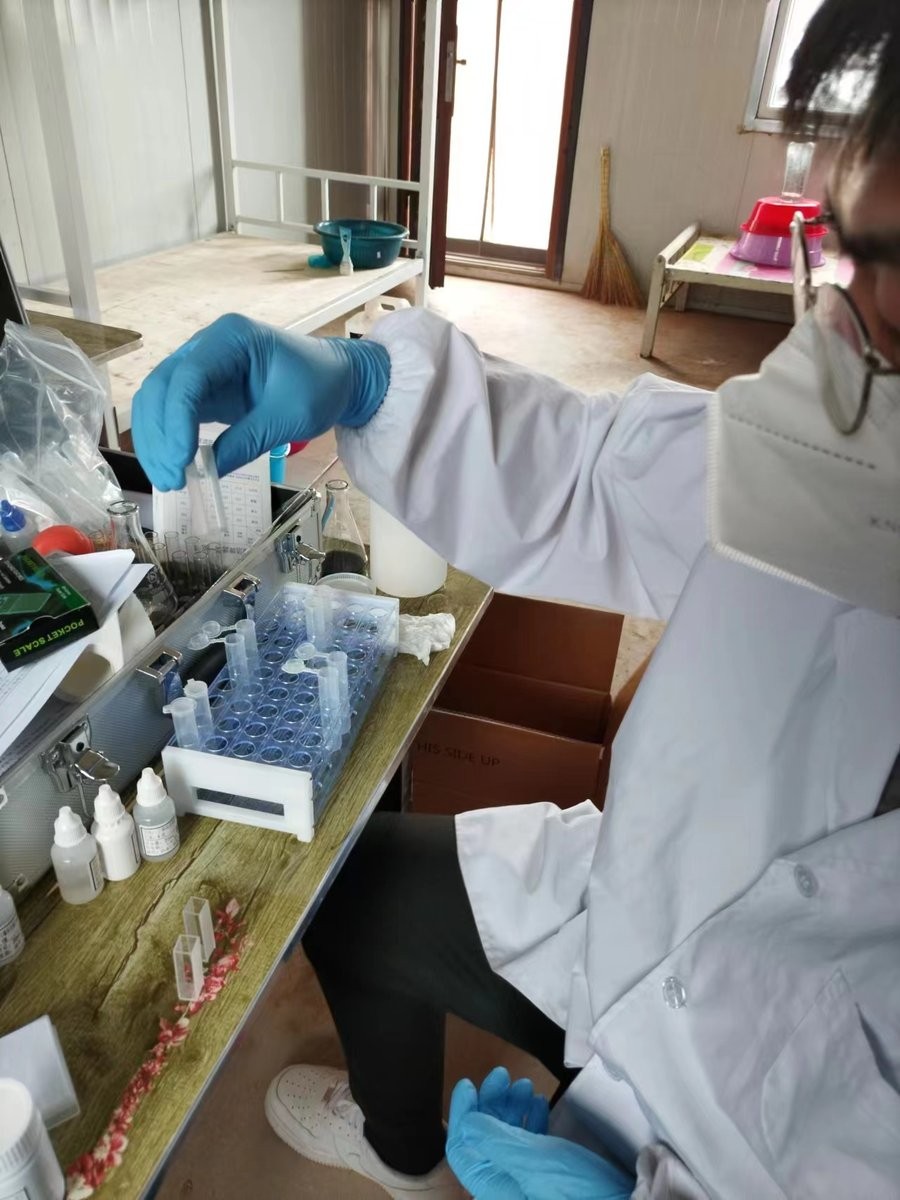
Day Three addressed data management, troubleshooting, and integration with Xuechuan's existing agronomic workflows. The instructor demonstrated WiFi and 4G data upload capabilities for centralised record-keeping across base farms. Trainees practised USB export for offline transfer. Troubleshooting covered common issues: blank or erratic readings (dirty cuvette or depleted reagent), calibration drift (fresh blank resolves), and power management for field use. Each trainee independently completed a full analysis cycle and correctly interpreted results.
| Component Category | Items Included |
|---|---|
| Main Instrument Box | Host unit (with built-in thermal printer); pH electrode (1 pc); TDS meter (1 pc); Cuvettes (4 pcs); Electronic balance 100g/0.01g (1 pc); Fuses (2 pcs); Graduated pipettes 1/5/10 mL (1 each); AC power cable (1); DC 12V cable (1); Manual & certificate (1 set) |
| Reagent / Consumables Box | Soil nutrient determination reagent kit (1 set); 100 mL Erlenmeyer flasks (2 pcs); Small reaction bottles (9 pcs); Volumetric flask (1 pc); Wash bottle (1 pc); Spatula set (1 set); Qualitative filter paper (2 boxes); Bulb pipette (1 pc); Small aluminium box (1 pc); 50 mL graduated cylinder (1 pc); 10 mL centrifuge tubes (40 pcs); Centrifuge tube rack (1 pc) |
Results Reported
| Indicator | Before Deployment | After Deployment |
|---|---|---|
| Soil sample turnaround time | 14–21 days (external lab) | <30 minutes per sample (on-site, N-P-K panel) |
| Cost per soil panel (N-P-K-pH-OM) | RMB 150–300 (external lab fee) | RMB ~15–25 (reagent consumables only) |
| Samples analysed per season | 30–50 (cost-constrained) | 200–400 (throughput-enabled) |
| Fertiliser decision timing | Based on historical data / lagged results | Same-day results inform within-season adjustments |
| Field-level variability mapping | Not feasible (sample cost prohibitive) | Block-by-block mapping now practical |
Specifications Relevant to This Deployment
| Parameter | Specification |
|---|---|
| Power supply | AC 220±22 V / DC 12 V+5 V (built-in lithium battery; vehicle power compatible) |
| Power consumption | ≤5 W |
| Measurement range / resolution | 0.001–9999 |
| Repeatability error | ≤0.02% (0.0002, potassium dichromate solution) |
| Stability (drift) | <0.3% per hour transmittance; <0.001/h absorbance after warm-up |
| Linearity error | ≤0.1% (0.001, copper sulfate detection) |
| pH measurement range | 1–14; precision 0.01; error ±0.1 |
| Salinity (EC) range | 0.01%–1.00%; relative error ±5% |
| Test speed (soil N-P-K) | ≤30 minutes per sample (including extraction); 8 samples ≤1 hour |
| Channels | 12 rotating channels (simultaneous multi-sample processing) |
| Detection scope | Soil: NH₄⁺-N, NO₃⁻-N, available P, available K, organic matter, pH, salinity, moisture, alkaline N; micro-nutrients: Ca, Mg, S, Fe, Mn, B, Zn, Cu, Cl, Si, Mo; heavy metals: Pb, Cr, Cd, Hg, As, Ni, Al, F, Ti, Se |
| Data connectivity | WiFi, 4G, USB, Ethernet; built-in thermal printer with QR code output |
| Display | 7-inch capacitive touch screen (Android OS) |
| Dimensions / weight | 43 × 34.5 × 19 cm; net weight 5.1 kg |
Precision Agriculture in Potato Production: The Role of Rapid Soil Diagnostics
Potato (Solanum tuberosum) has specific nutritional requirements that make soil testing particularly valuable in commercial production. As a tuber crop with a relatively shallow root zone (typically 30–60 cm), potato depends on the nutrient status of the topsoil layer where most fertiliser is applied. Unlike deep-rooted crops that access nutrients from lower horizons, potato is highly sensitive to the concentration and balance of readily available nutrients in the plough layer.
Nitrogen management exemplifies this sensitivity. Potato requires a steady supply of nitrogen throughout the vegetative growth period, but excessive nitrogen — especially late in the season — delays tuber bulking, reduces dry matter content, and can negatively impact fry colour and processing quality for the frozen French fry market that represents a significant portion of Xuechuan's revenue stream. The ability to measure soil nitrate and ammonium levels in-season using the GT4 allows Xuechuan's agronomists to fine-tune top-dressing applications: applying enough nitrogen to sustain canopy development and tuber initiation, but avoiding the surplus that compromises tuber quality.
Phosphorus presents a different challenge. In the calcareous and alkaline soils common to parts of the Hexi Corridor, applied phosphorus fertilisers rapidly react with calcium carbonate to form less soluble calcium phosphate compounds, reducing the fraction of phosphorus immediately available to the crop. Soil testing with the GT4 measures the operationally defined "available phosphorus" fraction extracted by the instrument's specific reagent system — a value that correlates with plant-available P under the prevailing soil pH conditions. By tracking available phosphorus levels across fields and seasons, Xuechuan can optimise phosphorus placement (banding versus broadcast), timing, and rate to maximise uptake efficiency.
Field-Level Implementation: From Sample to Decision
A practical understanding of how the GT4 integrates into Xuechuan's daily operations helps illustrate the instrument's real-world value. A typical soil monitoring round proceeds as follows:
Morning: Sampling. The agronomy team visits designated sampling points across the base farm's fields. At each point, they collect a composite soil sample from the 0–20 cm plough layer using a soil auger or spade, taking 10–15 sub-scores that are mixed in a clean bucket to form a representative composite. Each composite sample is labelled with field ID, block number, date, and collector initials, then placed in a sealed bag for transport to the analysis station.
Midday: Extraction and Analysis. Back at the field quarters, samples are prepared for analysis. Each composite is air-dried (or analysed fresh if rapid turnaround is critical), sieved through a 2 mm mesh, and a weighed subsample (typically 1–2 g depending on the parameter) is transferred to an extraction vessel. The appropriate extractant is added, the mixture is shaken or allowed to stand for the prescribed interval, and an aliquot is transferred to a reaction cuvette with colour-developing reagent. The cuvette is inserted into the GT4, and the result appears on the touchscreen within seconds. With twelve channels, a batch of twelve samples processes sequentially with minimal operator intervention.
Afternoon: Interpretation and Action. Results are reviewed by the supervising agronomist. Values are compared against established threshold ranges for potato production in local soil types: for example, available phosphorus below 10 mg/kg may trigger a recommendation for additional P application, while soil pH above 8.5 may indicate a need for acidifying amendments or selection of pH-tolerant varieties. Results are printed using the GT4's built-in thermal printer (each report includes a QR code linking to the digital record) and filed both physically and in the cloud platform. Where results indicate significant deviations from expected values, the agronomist adjusts the fertilisation plan for the affected field and communicates changes to the field operations team.
Related Instruments and Internal Links
Readers interested in the technical specifications of the HM-GT4 can refer to the HM-GT4 soil and fertilizer nutrient analyzer product page [planned slug, product page pending]. For a complementary perspective on how the same instrument model serves a different customer segment, see the HM-GT4 university laboratory deployment at Huainan Normal University. Enterprises whose soil quality concerns extend beyond nutrient management to heavy metal contamination screening may find relevant insights in the HM-ZSD soil heavy metal detector case study from Henan Province.
About HM Instruments
HM Instruments (Shandong Hengmei Electronic Technology Co., Ltd.) is a national high-technology enterprise and Shandong gazelle enterprise, recognised as a specialised "little giant" SME and listed on the New Fourth Board (equity code 306008). The company holds ISO 9001 quality management certification (No. 06524Q02062ROM), IP management system certification (472IP190206R0S), 3A credit enterprise status (HXZC201968486), after-sales service certification (78323SC0008R0S), occupational health and safety certification (06524S00854ROM), and environmental management certification (06524E00905ROM).
With a research and development team of more than 100 engineers and around 150 core patents, HM Instruments designs and manufactures analytical instruments for soil, water, food, and environmental applications. The company operates 280 service centres across China, providing nationwide warranty coverage with a 24-hour response commitment. Warranty terms include 12-month whole-unit warranty, lifetime technical support, lifetime free training, and lifetime maintenance. Certificate metadata is notarised on the Zhixin (至信链) blockchain and verifiable at zxscan.qq.com.
Address of this article:https://www.kjhm.net/case/hm-gt4-soil-fertilizer-tester-potato-enterprise-gansu.html
 Related News
-
19 / 2024-12
High-precision infrared oil detector: an important tool to improve the efficiency of water quality detection.
Learn more
-
21 / 2026-05
HM Instruments ICP-OES Spectrometer FAQ | Authoritative Technical Q&A
Learn more
-
22 / 2026-05
HM Instruments Biological Toxicity Analyzer FAQ: Technical Questions Answered
Learn more
-
26 / 2024-09
What Is The Use Of A Dust Particle Counter?
Learn more