

 Current
Location:
Mobile Food Testing Vehicles in Food Safety Programs: An Industry Application White Paper | HENG MEI Intelligent Manufacturing
Article Source: Hengmei Technology Release time:2026-11-19 09:22:54
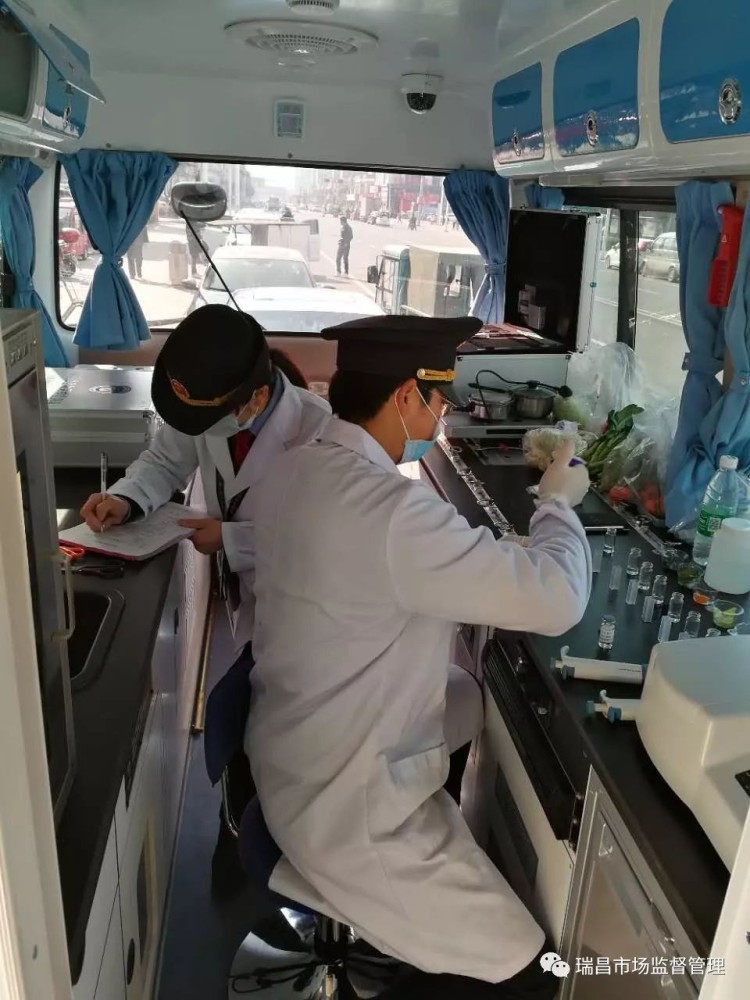
A mobile food testing vehicle brings a defined set of sampling, preparation and screening activities closer to the place where food is produced, traded or distributed. The value of the vehicle depends on the decisions it supports and the equipment, people and procedures assigned to it. A well-designed program defines which tests can be performed on site, how results are reviewed, when samples must be referred to a laboratory and how records follow each sample.
Markets, farms, distribution centers and temporary inspection sites present different operating conditions. A mobile team must account for travel, available workspace, utilities, sample handling and communication as well as the analytical method. This white paper explains how to plan those elements together and assess a proposed food testing vehicle against a real deployment.
Start with the decisions at each location
A market inspection team may need to prioritize produce for further examination during a busy trading period. A food manufacturer may want on-site screening at a supplier's facility before a shipment is moved. A public service program may visit multiple communities on a fixed schedule. These missions require different test menus, staffing and reporting arrangements. List the products, target substances, daily sample volume, turnaround time and people who will receive each result.
Identify the consequences of a result before the vehicle is configured. An internal screening result can trigger a hold or further review under a company's quality plan. An official enforcement decision may require specific methods, laboratory recognition and procedures defined by the responsible authority. The operating organization should establish the applicable requirements and the status of each result for its intended use.
Define the test menu and referral pathway
For every proposed test, document the sample types, method, measurement range, controls, required supplies and environmental conditions. Check whether the method is suitable for the food matrices likely to be encountered. A test designed for one commodity or substance should not be assumed suitable for every sample at the site. Keep current instructions available to operators and review method changes through the organization's quality process.
Define what happens when a result exceeds a screening criterion, a control fails or the matrix is outside the validated scope. The procedure may call for a repeat, another sample or referral to a qualified laboratory. Record the purpose of the referral, sample identity, collection and handling conditions, and the person receiving it. Communication should distinguish an initial screening observation from a confirmed result where the program uses both stages.
Design the interior around sample flow
Arrange the workspace so staff can receive and identify samples, conduct the required preparation, perform measurements and review results without confusing batches. The layout should provide clear locations for incoming material, samples in progress, completed work and records. The actual configuration depends on the vehicle and methods selected. A proposed layout should be evaluated with the operators, equipment dimensions and expected sample containers present.
Provide space for labels and worksheets at the point where samples are transferred. Consider access to cleaning supplies and the separation of supplies from sample materials as required by the procedures. Instrument access, ventilation, electrical supply, temperature and transport restraint should follow the equipment manufacturer's instructions and applicable vehicle requirements. Record the conditions that must be checked before work begins at each location.
Maintain sample identity away from the laboratory
Use a sample identifier that connects the source, product, lot or location and collection time with each test portion and result. Assign identifiers before several similar samples accumulate. If the team collects ten samples from different stalls, each container and record should retain the stall or source reference specified in the sampling plan. A rack position is helpful for organizing the work, but the individual identifier must remain with the container when it is moved.
At handover between team members, reconcile the physical samples and the written or electronic list. Record missing labels, damaged containers and deviations from required handling conditions. The program should state who can accept an exception and when a new sample is needed. An uncertain sample identity can make a correctly measured result unusable for the intended action.
Manage power, environment and equipment checks
Before selecting instruments, document their power, operating environment and installation needs. Compare these with the expected vehicle conditions when stationary and during transport. Secure equipment and supplies according to their instructions, and plan a pre-use inspection after travel. Confirm that the vehicle's available utilities support the combined load of the proposed configuration. Where a particular test requires conditions that cannot be maintained at a site, the program needs an alternative location or referral arrangement.
Operators should record the checks required for each instrument and method. These may include equipment condition, control materials, calibration status and the supplies needed for the planned test menu. If a check fails, the team needs a clear process for suspending the affected test, identifying potentially affected results and returning the equipment to service. Retain those records with the deployment information so that a later review can connect an instrument issue to the relevant samples.
Plan staffing and throughput
Estimate the workload using the busiest practical deployment. Include travel and setup, sample collection, labeling, preparation, measurement, control review, reporting and closing the site. A schedule that counts only instrument reading time will overstate the number of complete results a team can deliver. Measure a representative workday during a pilot and record elapsed time, staff time and points at which samples wait.
Suppose a team plans to visit two markets and process twenty samples at each. If travel and setup leave only a short period at the second location, the team must check whether the full sequence, including controls and review, fits that window. The program can adjust the test menu, staffing or route based on observed times. Any prioritization rule should be agreed in advance by the organization responsible for the inspection.
Preserve data and communication
Each result should be linked to the sample, method, operator, date, control status and decision. The reporting system must work in the conditions expected at the site, including any periods without a network connection. Establish how records are protected, transferred and reconciled when the team returns. If data are entered twice, include a check for transcription and unit errors. Keep a procedure for correcting an identifier without erasing the history of the change.
Agree on the information that site personnel receive and who is authorized to communicate a result. A screening report should identify the test and sample and explain the next action under the program's rules. When a sample is referred, maintain a link between the field record and the receiving laboratory's identifier. This allows the organization to follow the case through final review and respond to questions later.
Evaluate the complete deployment
A vehicle acceptance trial should use the planned equipment, staff, supplies and representative workflow. Check the route from sample receipt through reporting, including the time needed to secure equipment before travel. Review the storage space and accessibility of consumables as well as the operator's ability to clean and inspect the working area. Record limitations discovered during the trial and assign responsibility for resolving them before the vehicle enters routine service.
HENG MEI Intelligent Manufacturing is the brand of Shandong Hengmei Electronic Technology Co., Ltd. When discussing a food testing vehicle, provide the intended locations, food groups, test menu, daily sample volume and reporting needs. Ask for an itemized vehicle and equipment configuration and the associated operating documentation. The most suitable configuration is the one that can support the organization's documented methods and decisions at the sites it actually visits.
Address of this article:https://www.kjhm.net/news/mobile-food-testing-vehicles-in-food-safety-programs-an-industry-application-white-paper-heng-mei-intelligent-manufacturing.html
 Related News
-
13 / 2026-11
HENG MEI Intelligent Manufacturing Choosing an Automatic Potentiometric Titrator
Learn more
-
18 / 2026-11
HENG MEI Intelligent Manufacturing | Choosing Food Additive Testing Equipment by Analyte
Learn more
-
24 / 2024-10
Transform Water Quality Monitoring with Our Advanced COD Ammonia Nitrogen Total Phosphorus Total Nitrogen Analyzer.
Learn more
-
09 / 2024-09
The Role Of Soil Respirometer In Agricultural Management.
Learn more