

 Current
Location:
Gas Chromatography for Baijiu Quality Control: An Industry Application White Paper | HENG MEI Intelligent Manufacturing
Article Source: Hengmei Technology Release time:2026-11-19 09:20:55
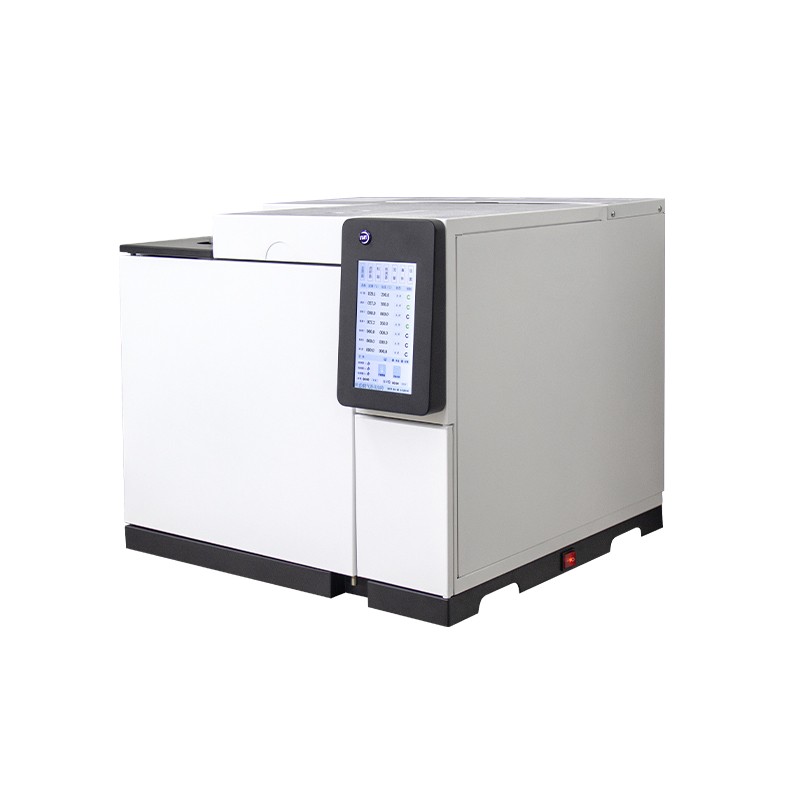
Gas chromatography helps baijiu producers examine volatile compounds that contribute to product character and process consistency. A baijiu gas chromatograph separates components under a defined analytical method and produces data that can support blending, production monitoring and investigations. A useful program connects the chromatogram to representative samples, suitable calibration, quality controls and an agreed interpretation. The instrument model and configuration must match the compounds and workload the laboratory intends to examine.
Baijiu is a complex distilled beverage. Different production styles and formulations contain different mixtures of volatile substances, and their analytical profiles should be interpreted in the context of the product. This paper discusses how a producer can organize chromatographic testing around quality decisions, evaluate a configuration and maintain records that make results comparable over time.
What chromatography contributes to production decisions
A distillery may test spirit collected at different production stages, compare material intended for blending or monitor the consistency of a finished product. The question determines the sample point, analytes and reporting requirements. A profile used to investigate a change in production may need a different set of compounds and decision rules from a report supporting a commercial specification.
List the target compounds and the expected concentration range before requesting an equipment configuration. For each compound, identify the reference material, reporting unit, calibration approach and method acceptance criteria. Where a specification names a particular procedure or laboratory, confirm that requirement with the customer and quality manager. The presence of a peak at a particular position on a chromatogram is not enough by itself to establish the identity and quantity of a compound.
Choose a sampling design that represents the decision
Sample identity is especially important when a producer handles many vessels, production periods and blend components. Record the vessel or batch, sampling point, date and time, collector and intended analysis. If the decision concerns the contents of a vessel, the procedure should define how the collected sample represents that vessel. If the decision concerns a blend assembled from several components, retain the link between the blend sample and the contributing records.
Protect sample identity during transfer to the laboratory. Label each container when it is created and document handling and storage conditions specified by the method. On receipt, reconcile the label with the request and check for damage or a missing history. A chromatographic result can be analytically sound while still being unusable for a batch decision if the laboratory cannot establish which sample was tested.
Understand the measurement chain
A gas chromatographic system introduces a defined sample into a separation system, carries its components through a column and detects the separated responses. The laboratory method specifies the configuration and operating conditions required for the intended compounds. Instrument selection should include the inlet, column, detector, gas supplies, software and any accessories needed to run that method. The choice of detector and column depends on the analytes and the required performance.
Review the complete configuration in a supplier's quotation. A model name alone does not establish how many compounds can be measured under a particular method or whether a given detector and column are included. Ask for the method scope, applicable range, consumables and installation requirements for the exact proposed system. Where the laboratory must report a specified list of compounds, compare that list with the demonstrated method rather than inferring coverage from a product family name.
Establish identity and calibration
Develop or adopt a procedure for identifying target compounds and calculating their concentrations. The method may use reference materials, retention information and additional confirmation as appropriate to the required specificity. The laboratory should define how a peak is accepted, how overlapping peaks are handled and what action is taken when the result falls outside the calibration range. A qualified analyst should review these rules before routine reporting begins.
Calibration links detector response to known concentrations under the method's conditions. Use suitable reference materials and document their identity, preparation, storage and validity according to the laboratory procedure. Record the calibration model, acceptance criteria and range. A number produced outside that range should be handled according to the method rather than treated as having the same support as a value within the validated range.
Control the run and review the sequence
A sequence can include calibration checks, blanks, control materials and samples as required by the method. The order should allow staff to determine when the system is suitable and which sample results may be affected by a problem. Review the relevant controls before releasing the associated results. If a check fails, retain the original sequence and document the investigation, affected samples, corrective action and authorization to resume.
Carryover, contamination, a changing response or a shift in separation can create misleading data. Track the indicators identified by the method and equipment instructions. Compare the current chromatogram with accepted records where appropriate, while allowing for the criteria established by the laboratory. A drift in a control response across unrelated samples calls for a different investigation from an unexpected compound profile in one properly identified batch.
Interpret profiles alongside production information
A profile becomes more useful when it is linked to the process and product history. Store the batch identity, production stage, method revision and result units with the chromatographic data. Review comparable materials together. A finished blend and an intermediate spirit fraction may have very different expected profiles, so a trend chart that combines them can obscure meaningful changes.
For example, a producer may compare a series of finished batches made to the same product specification. If one target compound moves outside an internal trend range while the controls remain acceptable, the team can review the associated blend and production records. If several compounds and controls shift at the same point in a sequence, the analytical setup may need investigation. The distinction depends on the actual evidence and the laboratory's established criteria.
Calculate capacity across the complete workday
Instrument run time is only one component of laboratory capacity. Include sample receipt, preparation, calibration, controls, measurement, integration review and report approval. Suppose a laboratory receives twelve samples for a release decision and also needs controls at intervals specified by its method. The daily sequence must reserve time for those controls and any required repeat, not just twelve sample injections. Evaluate capacity using the actual sequence and staffing pattern.
Ask how data will move into the laboratory's record system and how a reviewer can retrieve raw data, integration settings and the final report. If staff manually copy results, include a check for transcription and unit errors. The ability to trace a reported value back to the sample, calibration and original chromatogram is essential when a customer or production team asks for an investigation.
Qualify the system before routine use
Define the compounds, product matrices, concentration ranges and acceptance criteria for installation and method verification. Use suitable representative materials and record performance under the conditions in which the laboratory expects to work. Compare the results with an appropriate established method where required. Document the outcome, operator training and approval for routine use. Changes to the column, detector, software or method should be assessed under the laboratory's change-control process.
HENG MEI Intelligent Manufacturing is the brand of Shandong Hengmei Electronic Technology Co., Ltd. When requesting a baijiu gas chromatograph, provide the target compound list, sample types, expected volume and reporting requirements. Review the proposed GC configuration and method documentation together so the laboratory can judge whether the system supports its actual production decisions.
Address of this article:https://www.kjhm.net/news/gas-chromatography-for-baijiu-quality-control-an-industry-application-white-paper-heng-mei-intelligent-manufacturing.html
 Related News
-
13 / 2026-11
HENG MEI Intelligent Manufacturing Choosing a PCR System for Fish and Shrimp Virus Tests
Learn more
-
16 / 2026-11
Meat Species Identification by Real-Time PCR | HENG MEI Intelligent Manufacturing
Learn more
-
19 / 2026-11
Pesticide and Veterinary Drug Residue Testing Across the Food Supply Chain: An Industry Application White Paper | HENG MEI Intelligent Manufacturing
Learn more
-
13 / 2026-11
HENG MEI Intelligent Manufacturing Choosing an Amylose Analyzer for Grain Testing
Learn more