

 Current
Location:
HENG MEI Intelligent Manufacturing How to Choose a Freezing Point Osmometer
Article Source: Hengmei Technology Release time:2026-11-13 13:31:35
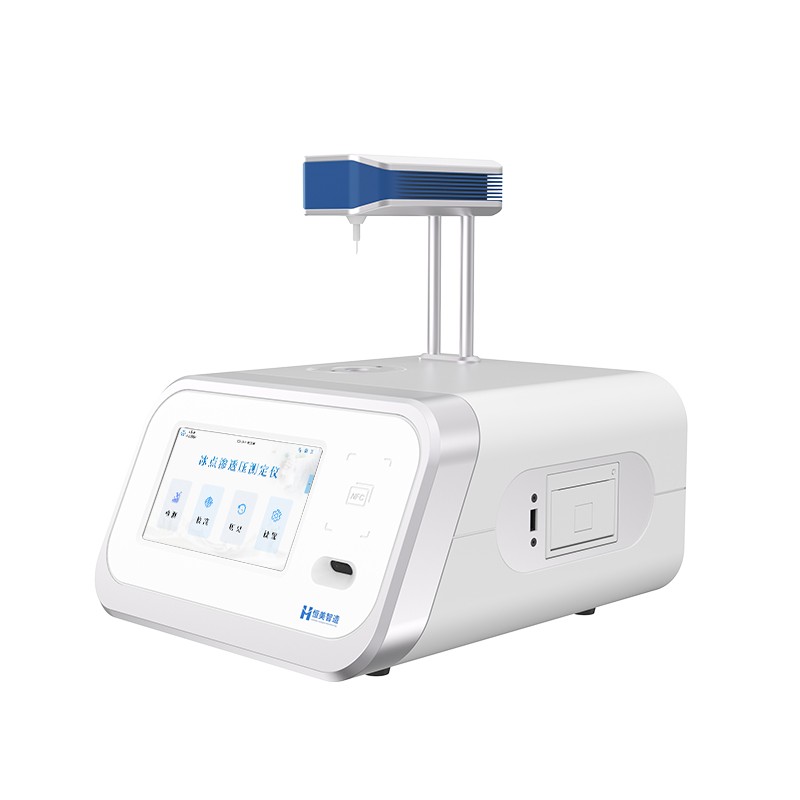
Choose a freezing point osmometer by its osmolality range, required sample volume and performance at the working concentration. HM-STY1 has a range of 0–3000 mOsmol/kg and a 50–100 µL sample volume. Compare the stated error and repeatability in the relevant concentration band.
HM-STY1 is part of the HENG MEI Intelligent Manufacturing range supplied by Shandong Hengmei Electronic Technology Co., Ltd.
How the measurement works
HM-STY1 determines osmolality through freezing point depression. Controlled cooling and temperature measurement identify the freezing behavior of a small liquid sample. Its 0–3000 mOsmol/kg range and 50–100 µL sample volume support method selection for the intended solution.
Assess performance at the working concentration
Start with the expected osmolality and the error acceptable for the application. Compare repeatability and calibration performance near that value. Plan the required calibrators, sample containers, probe cleaning and daily control schedule. Sample volume and throughput matter alongside analytical performance when testing a limited-volume formulation.
Technical configuration
| Parameter | Specification |
|---|---|
| Osmolality range | 0–3000 mOsmol/kg |
| Sample volume | 50–100 µL |
| Working environment | 5–35 °C, without condensation |
Plan limited sample volume with replicates
At 100 µL per determination, three replicate measurements consume 300 µL before transfer losses or any separate preparation. At 50 µL, three determinations consume 150 µL. Select the volume through the instrument procedure and sample method, then include a handling allowance when deciding whether the available sample supports the full plan.
Preserve the osmolality reporting basis
Osmolality is expressed per kilogram of solvent. Retain mOsmol/kg in the result and in comparisons with the acceptance range. A conversion to a per-liter quantity requires the appropriate composition and density information. Use a clean probe and consistent sample transfer so the freezing measurement represents the intended solution.
Introduce a new solution into routine testing
Before routine osmolality testing of a new formulation, establish the expected working range and the suitable calibration levels. Evaluate replicate performance using the sample volume and container specified for the method. Review how the sample is mixed, transferred and protected from changes during handling. Where only a small volume is available, reserve enough for controls or justified repeat work. Keep the probe-care sequence consistent across the batch. The accepted operating procedure should identify the sample conditions and the basis for reviewing an unexpected value, giving the analyst a clear path from receipt to report.
Put the selected method into practice
- Prepare the instrument and perform calibration or reference checks at the required levels.
- Transfer the specified volume into the correct sample container.
- Run the freezing measurement and retain the result with its sample identifier.
- Clean the probe and sample-contact area according to the operating procedure.
Plan support for common operating issues
| Operating issue | Checks and follow-up |
|---|---|
| Replicates differ more than expected | Review sample volume, mixing, transfer technique and probe cleanliness. |
| A control shifts across runs | Check calibration materials, instrument preparation and environmental conditions. |
| The result differs from another method | Compare reporting basis, sample preparation and method applicability. |
Plan the complete working configuration
Start with the expected sample osmolality and the allowable measurement error. Assess repeatability at the actual working concentration, then compare sample volume, probe care and throughput. Include calibrators and reference materials in the operating plan. A fine displayed resolution is one instrument characteristic and should be considered alongside the specified analytical error.
Define the acceptance and reporting requirements
Agree on the following items when configuring HM-STY1. They connect the equipment and consumables to the intended measurement and provide a basis for operator training and result review.
- Sample or formulation identity
- Sample volume and replicate plan
- Calibration and control levels
- Osmolality unit and probe-care record
Questions from buyers and laboratory teams
What matters besides the displayed resolution?
Check error, repeatability, sample handling and calibration performance at the concentration of interest.
Can every dissolved material be treated the same way?
Establish sample suitability and the operating procedure for the intended solution or formulation.
For a HM-STY1 configuration enquiry, provide the sample type, required measurements, expected workload and reporting requirements. Include the consumables, preparation equipment and support arrangements needed at the installation site.
Address of this article:https://www.kjhm.net/news/how-to-choose-a-freezing-point-osmometer.html
 Related News
-
13 / 2026-11
HENG MEI Intelligent Manufacturing Portable Water Analyzers for Field Sampling
Learn more
-
13 / 2026-11
HENG MEI Intelligent Manufacturing Choosing a Chemiluminescence Imaging System
Learn more
-
17 / 2024-10
ATP Fluorescence Detector: A Fast And Accurate Tool For Microbial Detection.
Learn more
-
12 / 2024-11
Unlock the Secrets of Photosynthesis with Portable Photosynthesis Meter.
Learn more