

 Current
Location:
Aflatoxin Testing in Food Supply Chains: An Industry Application White Paper | HENG MEI Intelligent Manufacturing
Article Source: Hengmei Technology Release time:2026-11-19 09:26:20
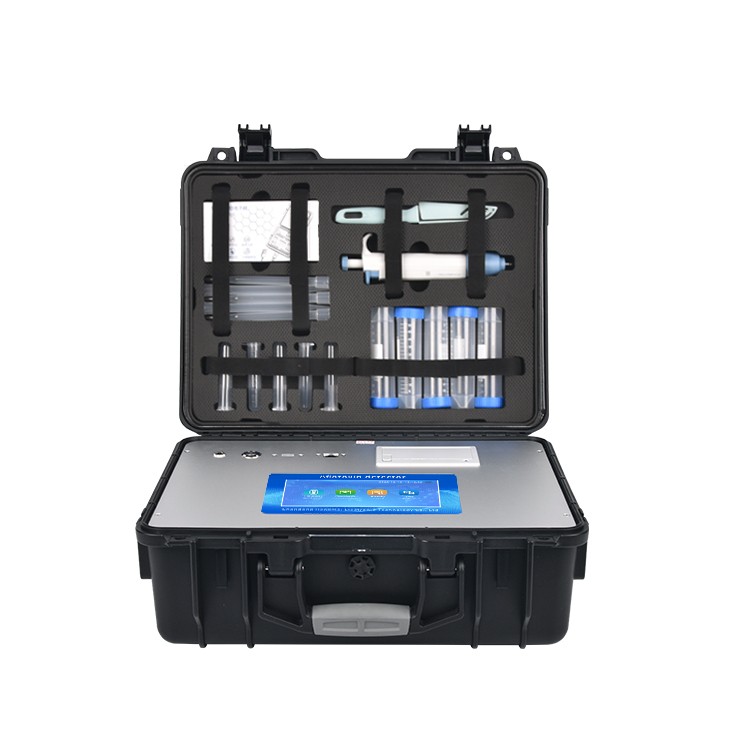
Aflatoxin testing supports food businesses that need to assess selected incoming lots, monitor supplier controls and decide when further laboratory analysis is required. An aflatoxin detector can form part of a screening program when the target, food matrix, method and decision threshold are appropriate for the intended use. The result must remain linked to the lot and sampling plan, and the organization needs a defined response when a result requires review.
Aflatoxins are mycotoxins associated with certain molds and can occur in a range of food and feed commodities. Their distribution within a lot can be uneven. A reliable program therefore combines risk-based sourcing, an appropriate sampling plan, suitable analytical methods and clear handling of results. This paper describes the decisions and records that connect these elements for food quality teams.
Identify the commodity and target
Start with the product, source, processing stage and destination market. A business handling nuts may face different sampling and testing conditions from one receiving grain or a processed ingredient. Identify the specific aflatoxins and reporting basis required by the applicable regulation, customer agreement or internal plan. A result for aflatoxin B1 and a result for total aflatoxins do not describe the same target.
Maximum levels and the foods to which they apply vary by jurisdiction. Before setting a limit, verify the current rule for the destination market and the relevant product classification. Codex Alimentarius provides international standards and codes of practice related to mycotoxins. The responsible quality team should also check the national or regional provisions and customer requirements that apply to the particular shipment. Codex Alimentarius
Make sampling central to the decision
A contaminated portion may not be evenly distributed throughout a lot. A laboratory result represents the sample submitted under a particular sampling plan. The organization must define the lot, the number and location of sampling units, how the laboratory sample is formed and how the material is identified. These choices should follow the applicable method, customer agreement and regulatory requirements for the commodity and decision.
For a receiving program, keep the supplier, product, lot, vehicle or container reference, collection time and collector linked to the sample. If a delivery contains material from several sources or production periods, the plan should explain whether they form one lot or several. A result from one selected portion cannot automatically establish the condition of every untested lot in the shipment.
Select a method for the intended use
Screening methods and confirmatory laboratory methods can serve different roles. Review the stated target, food matrices, decision threshold, measurement range and known limitations for each test. If a screening method is intended for aflatoxin B1, verify that this matches the decision. If the specification concerns total aflatoxins, confirm that the selected method addresses the substances and calculation required by that specification.
Food composition can affect method performance. A method documented for one commodity should be assessed before it is used for a different matrix or processed product. Request the supplier's current instructions and performance information for the exact test configuration. Where the intended use falls outside the documented scope, the laboratory should perform the appropriate verification or use another method that meets its quality requirements.
Evaluate performance around the decision point
Design an evaluation with representative materials and an appropriate comparison laboratory or method. Include the product types and concentration range relevant to the program, especially material near the decision level when suitable test materials are available. Define the acceptance criteria and the action for discrepant results before the study begins. Record the sample identity, method, test kit lot, operator and results.
The program should consider the consequences of both a result that triggers unnecessary review and a result that fails to flag a lot requiring attention. The acceptable performance depends on the decision, the applicable standard and the supporting sampling plan. A detector's nominal analytical capability is only one component of that evaluation. Staff must also be able to collect, identify and handle the sample consistently in the actual work environment.
Apply controls to each testing sequence
Follow the method and quality plan for controls, equipment checks, storage and approved use periods. Record the identity and results of the controls with the samples they support. Establish what happens when a control is outside its acceptance criteria, including the scope of affected results, who investigates and who approves a return to use. Retain the original records when a test is repeated.
Track the test materials by lot and expiry date. A traceability system should allow a reviewer to find the control status and test materials associated with a reported result. It should also allow the laboratory to identify the samples tested using a particular lot if a supplier issues a notice or an investigation reveals a problem. The level of detail should match the organization's quality system and the purpose of the result.
Define the response to a screening result
Before testing begins, establish which response triggers a hold, a repeat, a new sample or referral to a confirmatory laboratory. The decision rule should identify who has authority to act and how the lot is controlled while a case is open. Communicate the status of the result to purchasing, receiving and production staff so that material under review is not used or shipped contrary to the organization's procedure.
When a sample is referred, agree with the receiving laboratory on the target, matrix, reporting requirements, identification and transport conditions. Record the relationship between the original sample and the laboratory request. If new material is collected, document how it relates to the original lot and sampling plan. Keep both the screening record and the laboratory report with the final decision.
Interpret trends with the sampling denominator
Track the number of lots sampled as well as the number of results requiring review. Group comparable commodities, suppliers, methods and decision thresholds together. A change in the sampling plan or test scope can change the observed rate of findings. Record those changes on the trend chart before drawing conclusions about supplier performance or seasonal conditions.
For example, a business may increase the proportion of incoming lots screened during a period of concern. If the number of referred lots also rises, the quality team should compare the number and type of lots tested, the methods and the decision criteria before deciding what changed. The case records can then guide a discussion with suppliers and help determine whether the sampling plan needs further review.
Choose the complete configuration
A request for quotation should specify the commodities, target aflatoxins, required decision levels, expected workload, operating location and reporting requirements. Ask for the instrument, test materials, accessories, controls, documentation and storage requirements associated with the exact configuration. Evaluate capacity using the complete workflow, including sample receipt, controls, measurement, review and referral. Include training and periodic review in the implementation plan.
HENG MEI Intelligent Manufacturing is the brand of Shandong Hengmei Electronic Technology Co., Ltd. When discussing an aflatoxin detector, share the commodity and the exact reporting requirement with the supplier. Confirm the supported targets and matrices for the proposed test, and connect the instrument to the organization's approved sampling and food safety procedures.
Review the program when the supply changes
A change in supplier, harvest region, commodity or destination market can change the questions the program needs to answer. Review the sampling plan, method scope and decision criteria with the responsible quality manager. Keep the effective date and approval of each revision with the program records so that earlier results remain interpretable.
Address of this article:https://www.kjhm.net/news/aflatoxin-testing-in-food-supply-chains-an-industry-application-white-paper-heng-mei-intelligent-manufacturing.html
 Related News
-
20 / 2025-10
Handheld Biological Toxicity Detector: Principles and Applications in Environmental Monitoring
Learn more
-
16 / 2026-11
Micro-Volume Spectrophotometer Selection Guide | HENG MEI Intelligent Manufacturing
Learn more
-
19 / 2024-12
Fully automatic Kjeldahl nitrogen analyzer: an accurate and efficient protein analysis tool.
Learn more
-
16 / 2026-11
Pine Wood Nematode Detection with 48-Well PCR | HENG MEI Intelligent Manufacturing
Learn more