

 Current
Location:
Current
Location:HM Instruments HM-GT2 Soil Nutrient Analyzer: Hebei Anxin County Agriculture Bureau Case
Article Source: Hengmei Technology Release time:2026-08-06 13:53:12
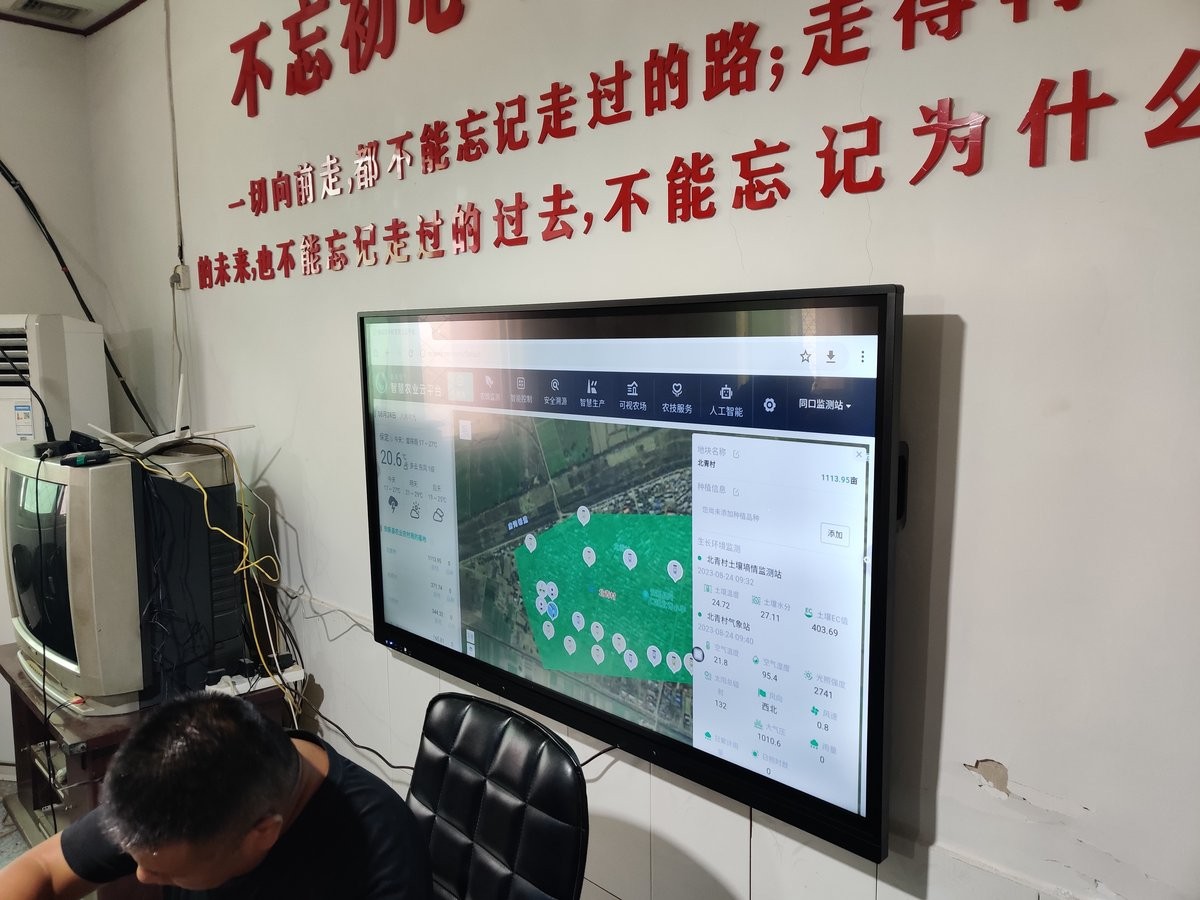
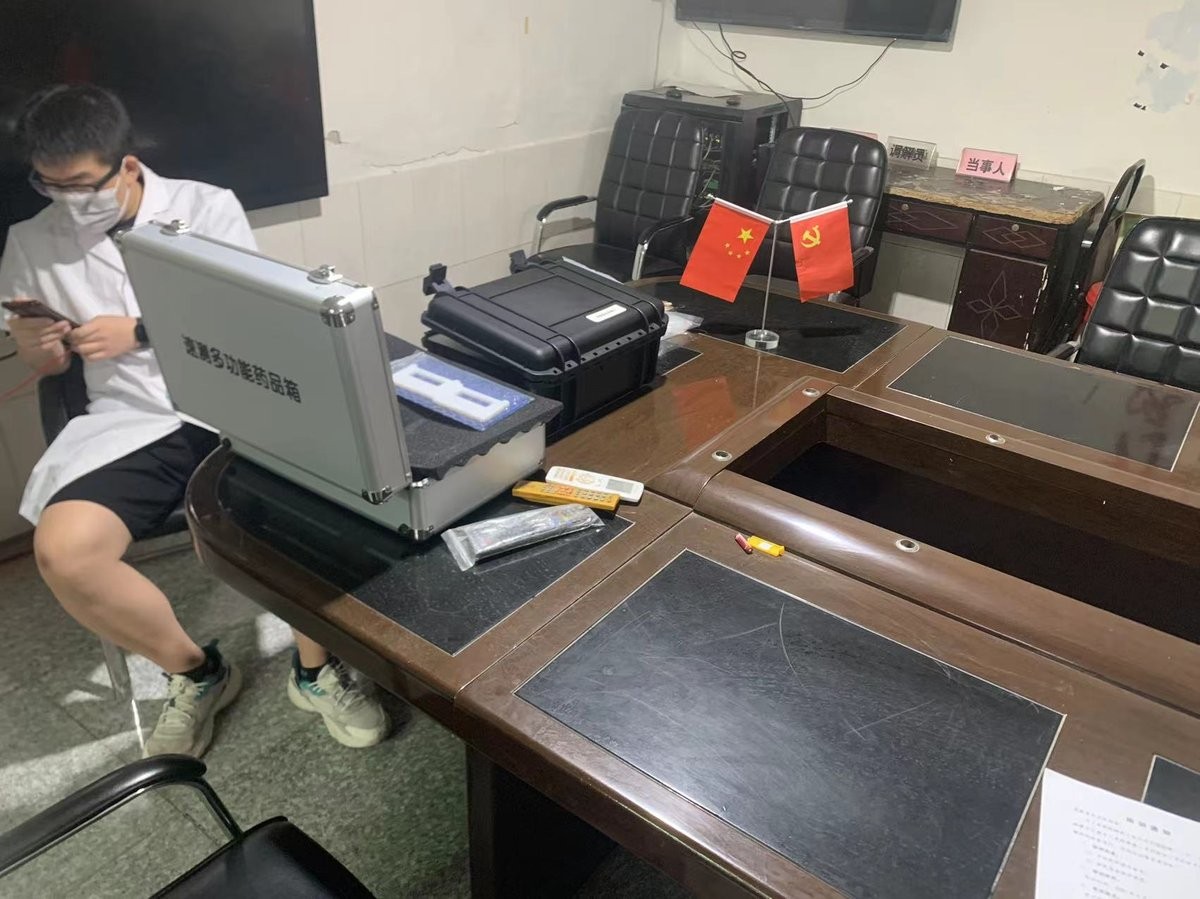
During the late summer of 2023, a training room in Tongkou Town, Anxin County, Hebei Province, became a temporary soil-testing classroom. Technicians from the Anxin County Agriculture and Rural Affairs Bureau gathered around a portable analyzer while an instructor projected a digital map of the county onto a large screen. The map showed field boundaries, sampling points and environmental monitoring stations — evidence that soil testing was being treated as part of a wider digital agriculture programme. On the table in front of them sat six HM-GT2 soil nutrient analyzers from HM Instruments, each packed in a rugged field case with reagents, glassware and a small electronic balance.
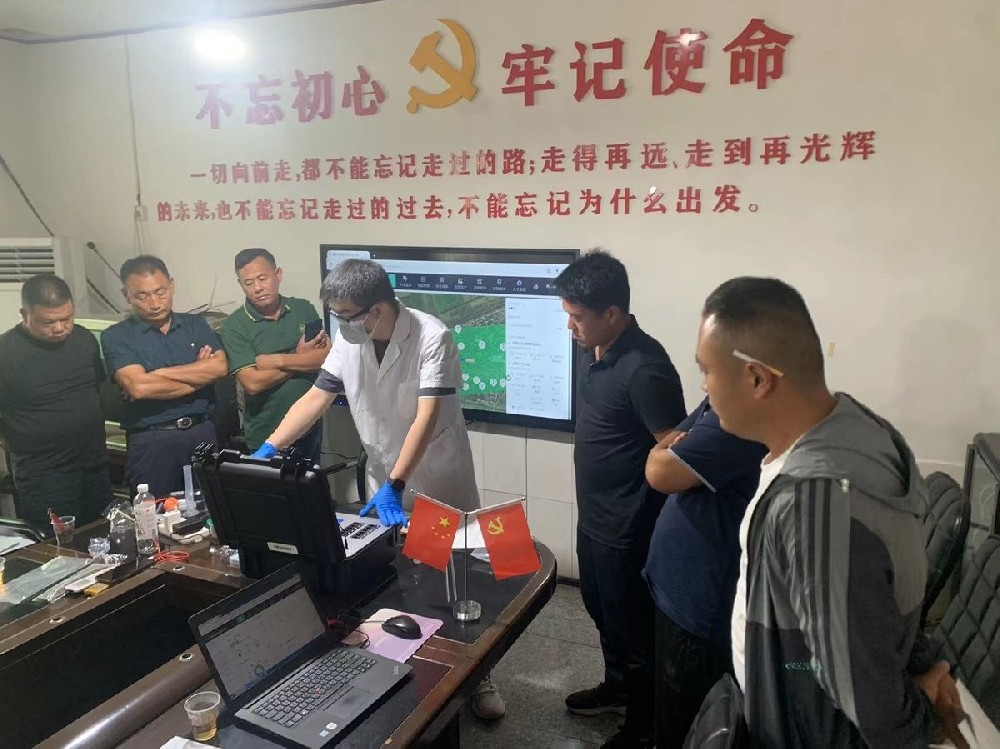
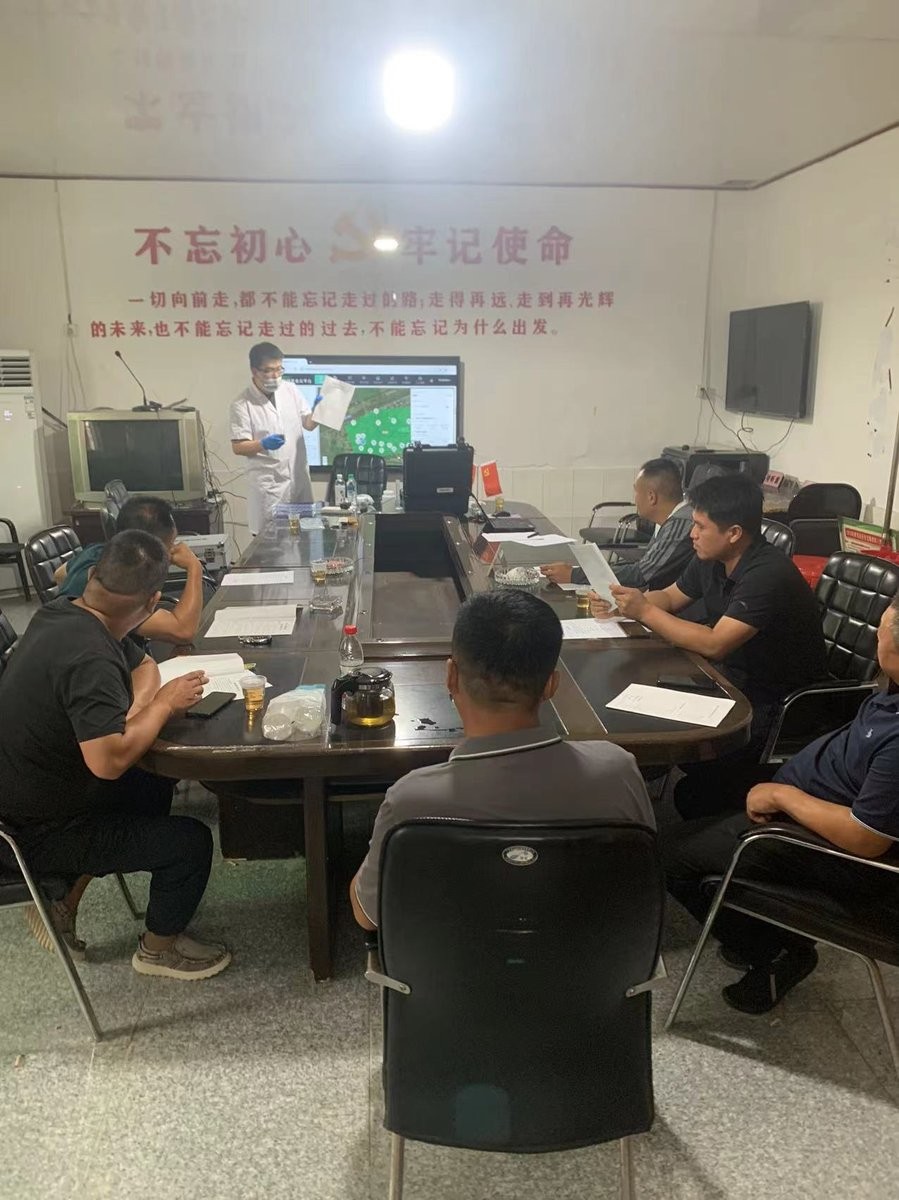
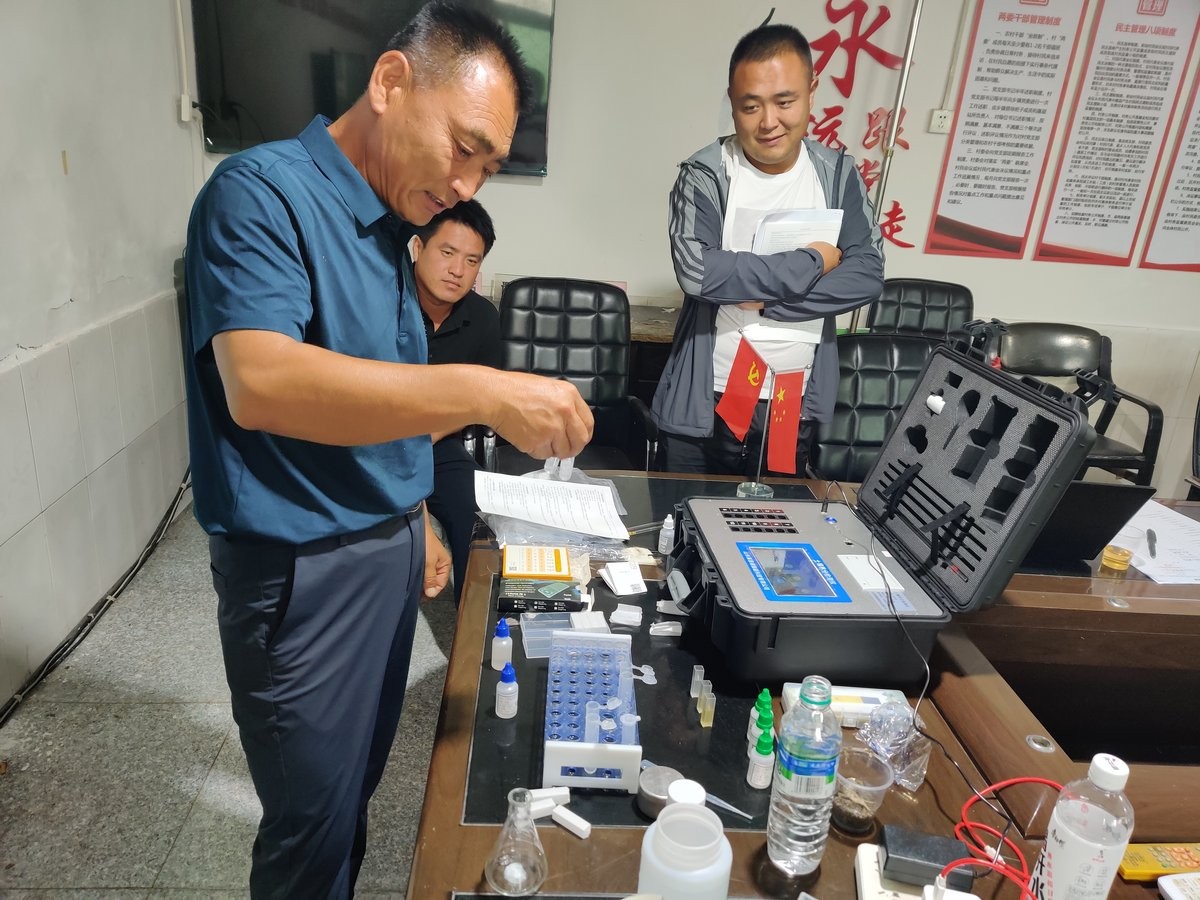
The photographs capture a county-level government roll-out in progress. An instructor in a white lab coat and blue gloves demonstrates the instrument while bureau staff and township technicians look on. The presence of a laptop, printed handouts and sample bottles shows that the session combined hardware operation, reagent handling and data recording. For the Anxin County Agriculture and Rural Affairs Bureau, the goal was not simply to own soil-testing equipment but to embed rapid soil diagnostics into routine agricultural extension work across the county.
Project Snapshot
| Item | Detail |
|---|---|
| Country | People's Republic of China |
| Region | Anxin County, Baoding City, Hebei Province |
| Customer type | County agriculture and rural affairs bureau |
| Model supplied | HM-GT2 soil nutrient analyzer |
| Quantity | 6 units |
| Application | County-wide soil testing and fertiliser recommendation support for village-level agricultural extension |
| Configuration | Main unit with 7-inch touchscreen, built-in printer, pH electrode, TDS meter, electronic balance, cuvettes, reagent sets and glassware |
| Training model | Two-day on-site classroom and bench training covering hardware operation, reagent preparation, sample workflow and data interpretation |
| Interface language | Chinese |
| Year of delivery | 2023 |
Why the Customer Bought: The Starting Point
Anxin County sits in the Baiyangdian watershed, where agriculture faces the dual challenge of maintaining yields while protecting water quality. The county agriculture bureau is responsible for translating provincial and national policies on soil conservation and fertiliser reduction into practical guidance for farmers. Until 2023, most soil analyses were sent to municipal laboratories, creating delays that made it difficult to link test results to sowing or top-dressing decisions.
Three problems shaped the bureau's decision to invest in portable soil nutrient analyzers.
The timing gap. Farmers need fertiliser recommendations before they buy inputs. When sample turnaround takes days or weeks, the recommendation often arrives after the decision has already been made. The bureau wanted same-day results that could be discussed with farmers during routine village visits.
The coverage gap. Anxin County contains many villages spread across a large rural area. A single central laboratory cannot visit every township at the right moment. Six portable units allowed the bureau to distribute testing capacity among several township teams, multiplying the number of fields that could be diagnosed during the pre-sowing window.
The evidence gap. Fertiliser reduction campaigns are more persuasive when farmers see measured nutrient levels for their own fields rather than receiving generic advice. A portable analyzer that prints a result ticket on the spot converts policy guidance into field-specific evidence.
Why the HM-GT2 Was Selected
The bureau evaluated three alternatives: continuing to rely on external laboratories, purchasing single-parameter pocket testers, or adopting multi-channel portable soil and fertiliser nutrient analyzers. The HM-GT2 was chosen for the following reasons.
Twelve-channel throughput. With twelve detection channels, the HM-GT2 allows one operator to process a full batch of soil samples in a single run. This is important for township teams that need to complete several tests during a single village visit.
Integrated multi-parameter coverage. The instrument measures available nitrogen, phosphorus and potassium, organic matter, pH, salt content and a broad range of trace elements in soil, fertiliser and plant samples. This eliminates the need to carry multiple single-purpose devices.
Built-in expert fertilisation system. The Android-based software links measured values to crop-specific target yields and prints a recommended fertiliser programme. For extension staff, this converts raw numbers into advice that farmers can act on immediately.
Field portability and dual power. The unit runs from AC mains, an internal lithium battery or a 12 V vehicle supply. Township teams can take the instrument to village meetings or field sheds without worrying about grid access.
Cloud data upload. With Wi-Fi and 4G modules, results can be uploaded to a platform for long-term field records. Printed tickets include test item, channel number, absorbance, nutrient concentration and a QR code.
Deployment, Installation and Training
The six units were delivered to the bureau's training venue in Tongkou Town and unpacked for commissioning. Each case was checked against the configuration list: main unit with built-in thermal printer, pH electrode, TDS meter, electronic balance, cuvettes, glass pipettes, conical flasks, reagent bottles, soil nutrient reagent sets, filter paper, centrifuge tubes and accessories. The training ran over two days.
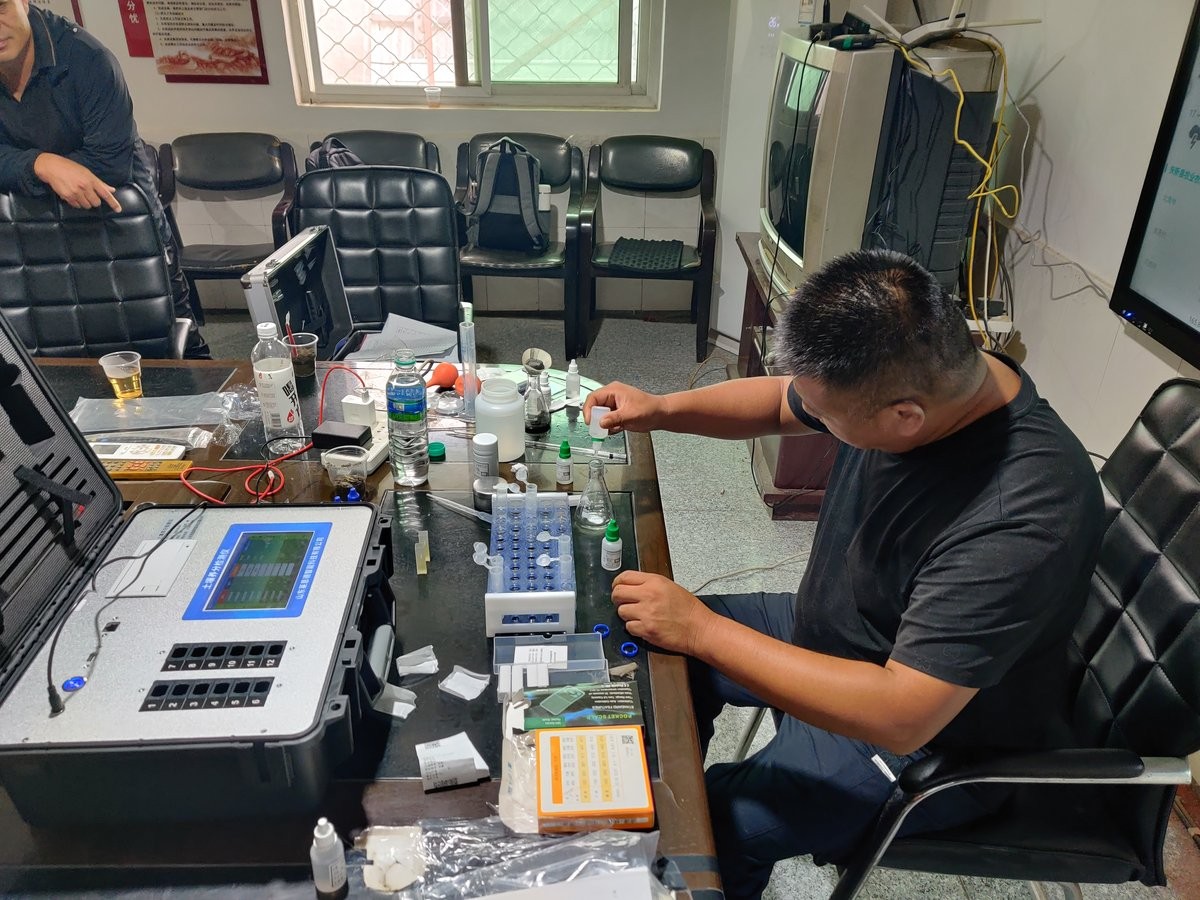
The first day covered instrument start-up, touchscreen navigation and the daily calibration routine. The instructor demonstrated how to load standard 1 cm cuvettes and how the four-wavelength light sources stabilise before each batch. The second day moved to sample preparation: weighing field soil, adding extraction solution, filtering, transferring the extract to cuvettes and reading the results. Photographs show participants using graduated pipettes, conical flasks and reaction bottles exactly as they would during a village service session.
The final module covered result interpretation and the built-in crop expert system. Operators entered measured nutrient values, selected the target crop and received a recommended fertiliser rate. Because all six units share the same software version and reagent kit, staff can rotate between units without retraining.
Delivered Configuration
| Item | Detail |
|---|---|
| Main unit | HM-GT2 soil nutrient analyzer with 7-inch touchscreen, built-in thermal printer and Android operating system |
| Detection channels | 12 colourimetric detection channels |
| Power supply | AC 220 V ±22 V / DC 12 V +5 V; internal lithium battery; vehicle power compatible |
| pH electrode | 1 unit for soil pH measurement |
| TDS meter | 1 unit for soluble salt estimation |
| Electronic balance | 100 g / 0.01 g for soil sample weighing |
| Glassware | 100 mL conical flasks, 50 mL measuring cylinder, graduated pipettes (1, 5, 10 mL), reaction bottles, centrifuge tubes, wash bottle |
| Consumables | Soil nutrient reagent sets, qualitative filter paper, cuvettes, spatula, suction bulb, aluminium box |
| Documentation | Manual, qualification certificate, warranty card, print paper, power adapter |
Results Reported: What Changed
| Indicator | Before | After |
|---|---|---|
| Soil test turnaround | Several days via external laboratory | Same day at township service points |
| Villages reached per campaign | Limited by central laboratory schedule | Multiple township teams operating in parallel |
| Fertiliser recommendation basis | Regional prescription or experience | Measured NPK, organic matter, pH and trace-element values |
| Data record format | Paper laboratory reports filed centrally | Printed on-site ticket plus cloud upload with operator account and timestamp |
| Farmer-facing evidence | Verbal advice from extension workers | Printed result ticket with nutrient concentration and QR code |
Specifications Relevant to This Deployment
| Parameter | Specification |
|---|---|
| Power supply | AC 220 ±22 V / DC 12 V +5 V (built-in lithium battery or vehicle power) |
| Power consumption | ≤5 W |
| Detection channels | 12 colourimetric channels |
| Range and resolution | 0.001–9999 |
| Repeatability error | ≤0.05% (0.0005, potassium dichromate solution) |
| Stability | 1 h drift <0.3% (transmittance); 2 h drift ≤0.5% (transmittance) |
| Linear error | ≤0.2% (0.002, copper sulfate) |
| Wavelengths | Red 680 ±2 nm; blue 420 ±2 nm; green 510 ±2 nm; orange 590 ±4 nm |
| pH range / accuracy | 1–14 / 0.01; error ±0.1 |
| Salt content range / error | 0.01%–1.00% / ±5% |
| Soil moisture range / error | 0–100% / <0.5% |
| Test speed | Single soil sample (NPK) ≤30 min; 3 samples ≤40 min; 8 samples ≤1 h |
| Dimensions / weight | 43 × 35 × 19 cm / 5.1 kg (host) |
Soil Sampling Protocol for County-Level Extension
A soil nutrient analyzer is only as useful as the sample that enters it. For the Anxin County Agriculture and Rural Affairs Bureau, the shift from occasional external testing to routine township-level testing required a sampling protocol that extension workers could teach to village technicians. The protocol follows the principles of the 4R Nutrient Stewardship framework — applying the right source, at the right rate, at the right time and in the right place — and aligns with Chinese technical guidance for soil testing and formulated fertilisation.
The first step is field zoning. Technicians divide cooperative farms and large fields into management zones based on soil colour, topography, crop history and problem areas. Each zone is sampled with a zigzag pattern using a soil auger, and the cores from each zone are combined into one composite sample. The HM-GT2 then tests a sub-sample of that composite after weighing and extraction. This keeps the cost per field low while capturing the spatial variation that drives fertiliser decisions.
Sample handling is the second critical step. The extraction chemistry depends on a known ratio of soil to extractant, so the electronic balance supplied with the HM-GT2 is part of the measurement chain. Technicians were trained to air-dry samples when possible, to sieve through the mesh supplied in the kit, and to avoid contaminating samples with fertiliser residues from tools. The training photographs show staff using the balance and glassware exactly as specified, because a small weighing error propagates directly into the reported nutrient concentration.
From Field Data to Digital Agriculture Dashboard
One distinctive feature of the Anxin deployment is the connection between the soil analyzer and the bureau's digital agriculture platform. The large screen shown in the training room displays a map with sampling points, meteorological stations and environmental sensors. When HM-GT2 results are uploaded through Wi-Fi or 4G, they can be associated with GPS coordinates and displayed alongside other field data. This turns a single soil test into a time-series record that agronomists can use to track soil fertility trends across the county.
The data structure is consistent with internationally recognised soil test interpretation methods. Soil pH and electrical conductivity are defined by ISO 10390 and ISO 11265 respectively, while colourimetric determinations of available nutrients follow extraction procedures referenced in national rapid-testing standards and in JJG 179-90 verification practice for spectrophotometers. The HM-GT2 is not a laboratory reference instrument, but it measures the same parameters agronomists use in those frameworks, making its results meaningful for fertiliser planning and environmental monitoring.
Keeping Six Township Units Aligned
Deploying six analyzers across one county introduces a subtle risk: if each unit drifts or each operator prepares reagents differently, the bureau will produce datasets that cannot be compared. The training therefore emphasised three standardisation practices.
Shared reagent lots. All six units were commissioned with reagent sets from the same production batch. When reagents are reordered, the bureau records the batch number and uses the same lot across all units during a single campaign.
Calibration discipline. The HM-GT2 performs internal calibration before each batch using blank and standard solutions. Operators were trained to run a blank with every new reagent batch and to record the calibration status on the printed ticket. The instrument's optical stability specification supports this practice by reducing the need for frequent recalibration during a busy service day.
Documented workflows. The bureau created a one-page standard operating procedure based on the HM-GT2 manual and the training session. It covers sample weighing, extraction time, filtering, cuvette loading, instrument start-up and result recording. New staff can follow the same steps that the original trainees followed, protecting consistency as personnel change over time.
Related Reading
Technical specifications for the HM-GT2 soil and fertiliser nutrient analyzer are summarised on the product page for the Soil Test Formula Fertilization Instrument. Organisations that need a higher-channel research-grade unit may also review the New Type Soil Detector. A complementary agricultural-service deployment is described in the Inner Mongolia Lvtianfeng case.
About HM Instruments
HM Instruments is the international brand of Shandong Hengmei Electronic Technology Co., Ltd., a national high-technology enterprise, a Shandong gazelle enterprise and a specialised "little giant" SME listed on the New Fourth Board under equity code 306008. The company holds ISO 9001 quality management certification (No. 06524Q02062ROM), an intellectual property management system certification (472IP190206R0S), occupational health and safety certification (06524S00854ROM), environmental management certification (06524E00905ROM), an after-sales service certification (78323SC0008R0S) and a radiation safety licence (鲁环辐证[G0334]). Certificate metadata is notarised on the Zhixin (至信链) blockchain and can be verified at zxscan.qq.com.
Development is carried out by a research team of more than one hundred engineers, and the company holds around 150 core patents. Field support is delivered through 280 service centres across China with a 24-hour response commitment. Every instrument carries a 12-month whole-unit warranty, lifetime technical support, lifetime free training and lifetime maintenance. For the Anxin County bureau, the lifetime free training clause is particularly relevant: as township staff rotate, new operators can be trained on the same instruments without additional charges.
Address of this article:https://www.kjhm.net/case/hm-gt2-soil-nutrient-analyzer-case-hebei-anxin-11.html
 Related News
-
17 / 2024-10
ATP Fluorescence Detector: A Fast And Accurate Tool For Microbial Detection.
Learn more
-
22 / 2026-05
Top Biological Toxicity Analyzer Manufacturers: HM Instruments & Global Leaders
Learn more
-
07 / 2026-08
HM Instruments Phthalate Detector Technical FAQ
Learn more
-
12 / 2026-05
HengMei HM-GL Filter Integrity Tester — FAQ & Technical Q&A
Learn more