

 Current
Location:
Infrared Oil Analyzer Model Comparison for HM-CY1, HM-CY2 and HM-9000 | HENG MEI Intelligent Manufacturing
Article Source: Hengmei Technology Release time:2026-11-20 08:59:01
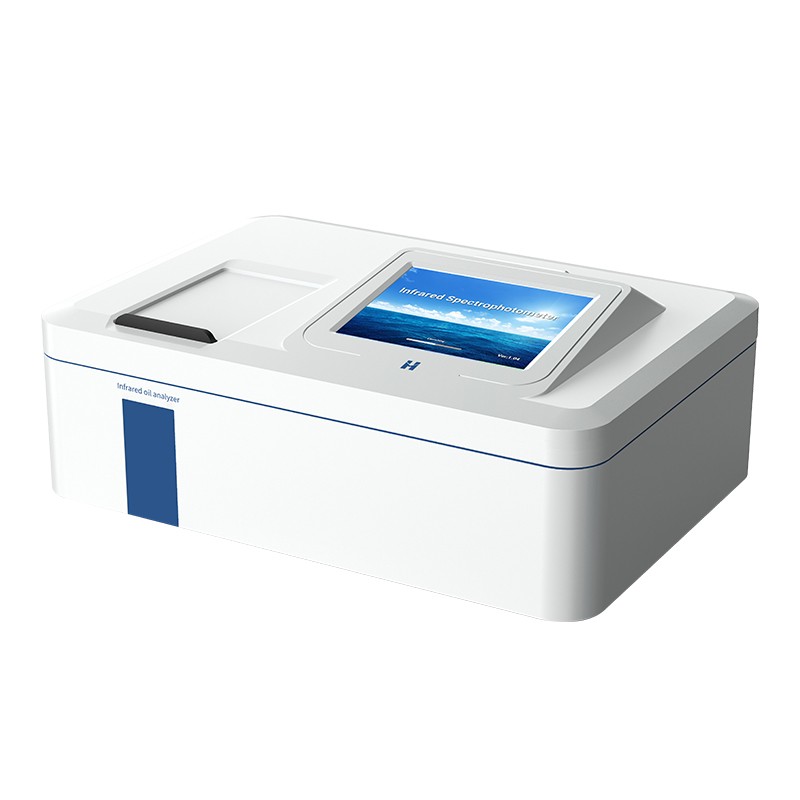
Choose an infrared oil analyzer by matching the definition of the reported oil fraction, the sample matrix and the laboratory method. The HM-CY1, HM-CY2 and HM-9000 from HENG MEI Intelligent Manufacturing represent benchtop, portable and automatic configurations. The useful comparison is how the complete procedure fits your sample volume and available facilities. The measurement module is only one stage of that procedure.
What does the specification call oil?
Oil and grease, petroleum oils, and a combined fraction can be defined differently by analytical procedures. An infrared measurement made under one method and a gravimetric or other result from another method should be compared only on a basis established for the purpose. Identify the exact regulated or contract term, matrix and reporting unit before discussing models. A number produced for one fraction cannot automatically be applied to a limit for another.
Sample collection and handling matter when oil is distributed unevenly or adheres to containers. Follow the approved method for the material under review rather than transferring a convenient aliquot by habit. Keep the original container and laboratory identifiers linked throughout the procedure. Review acceptance criteria and known limitations before selecting a configuration for a new matrix.
HM-CY1 for a fixed laboratory bench
Review the HM-CY1 when the laboratory wants a benchtop infrared measurement station and has an established arrangement for any method-required preparation. Ask what instrument accessories, software and quality control tools are included. Confirm that the proposed configuration covers the required oil fraction, range and matrix. Walk through the laboratory procedure with the supplier and make responsibility for each step clear in the quotation.
HM-CY2 for a transportable setup
The HM-CY2 is a portable category model whose configuration includes a separate portable preparation accessory. Evaluate the complete kit and confirm the current included items. Portability can help teams move a configured instrument between appropriate work areas. Site readiness still depends on utilities, controlled handling, personnel, collection requirements and appropriate management of method materials. Plan where each stage will be completed before assuming that every field location can support the full procedure.
HM-9000 for an automated workflow
The HM-9000 is marketed as a fully automatic infrared oil analyzer. Ask for a demonstration showing which steps the offered setup automates and which need manual handling. Check sample intake, cleanup, blank and control handling, result review and exception recovery. Automation is easier to justify when repeatable work and sufficient batch volume are present, with time set aside for maintenance and verification.
Calculate usable daily capacity
A lab with ten reportable samples can have more than ten analytical positions to schedule. For example, if the method requires two associated quality checks and the quality plan calls for one repeat, the sequence involves thirteen positions under those conditions. Confirm which controls are needed for each batch and how exceptions affect the next sequence. Measure total elapsed and staff time using the same representative run on each candidate.
Review ownership costs alongside the number of usable results. Include routine supplies, reference materials, maintenance and external analyses for matrices the instrument will not cover. If results must be transferred to a separate system, ask operators to export and retrieve a trial record. A high nominal throughput has limited value if data review regularly delays the report.
Compare the optical measurement with the full analytical procedure
The measurement starts from a defined sample and an approved preparation. The laboratory needs to know what blank, verification and calibration records apply to the reported fraction. Ask each supplier to identify which parts of that procedure the quoted configuration supports and what must be provided by the laboratory. A technical quotation should include the current method and the documents for each supplied module. Where the model is described as automatic, ask which actions occur automatically and which require an operator.
Compare the final analytical record from each proposal. It should show the sample identifier, reported fraction, range, basis and any method-required calculation. Where the instrument supplies original observations or calibration records, check how staff can retrieve those values. An automated report still needs enough information that a reviewer can reconstruct a result after the operator has changed shifts.
Check expected matrices during the demonstration
Use representative waters and the quality checks required by the approved procedure. Include samples near the decision range and matrices likely to require the lab to check method suitability. Record how each sample was selected and handled, and agree how test results from different configurations will be compared. If the equipment supports several applications, the demonstration should cover the applications the laboratory will actually authorize.
Consider also the cases that cannot be tested under the selected method. Highly variable or unusual samples may require a different procedure or referral. Write that path into the work instruction before the instrument is installed. A facility screening incoming samples for an internal purpose can manage those referrals differently from one that needs results within a contractual or regulatory time frame. Identify the reporting responsibilities before estimating staffing.
Measure the steps that each model changes
For the HM-CY1, observe how operators move identified samples between preparation, measurement and review at the fixed station. For the HM-CY2, check what changes when the workflow moves to another approved location, including setup, access to supplies and movement of records. For the HM-9000, review how a sequence starts, how an exception is flagged and what must be checked before work continues. Draw the workflow for each candidate and note where the choices affect operator effort.
For a trial comparison, suppose one setup requires three minutes of staff time for an instrument step plus five minutes for preparation and review. A second arrangement reduces the instrument step to one minute while the other stages still take five. Over twenty samples that difference represents forty minutes of staff time if the stages occur separately as assumed. Confirm the actual work under the lab's schedule, since overlapping tasks and batch checks can change the result.
Assess service, consumables and a workable backup
Ask for a list of included and recurring items. Keep purchase and service terms by destination, including the expected availability of compatible parts and consumables. A portable setup may require additional supplies or suitable operating locations beyond the instrument. An automated setup can need scheduled checks and a documented return to service after maintenance. Include the related effort and training in the operating estimate.
If monitoring continues during a service interruption, identify who can authorize use of an alternate instrument or laboratory. Confirm that the alternate method and result basis meet the actual need. The quotation should show which spare parts and support are available, while the laboratory procedure should show how results are logged during a change in configuration.
Set conditions for approval
Record the instrument, accessories, method scope and reporting requirements that passed the acceptance trial. Add the operating limitations and the controls that staff must review. If another site later purchases the same model, compare its sample types, available facilities and staff responsibilities with the tested arrangement before assuming the same configuration will fit.
If the laboratory uses different instruments for process checks and formal reports, identify which method and result basis enter each record. A result that is useful for operational trend review may still require a different approved procedure for a specific discharge decision. Writing that relationship into the plan makes the responsibilities clear when staff transfer measurements between systems.
Verify the exact model and analytical scope
Send Shandong Hengmei Electronic Technology Co., Ltd. the approved procedure, oil fraction, matrices, expected range, batch pattern and reporting needs. Request installation requirements and a combined quotation for the selected HENG MEI Intelligent Manufacturing instrument and accessories. Run an acceptance trial with representative samples and controls before authorizing routine use. The preferred choice is the one that supports the method and the real sample path at your site.
Address of this article:https://www.kjhm.net/news/infrared-oil-analyzer-model-comparison-for-hm-cy1-hm-cy2-and-hm-9000-heng-mei-intelligent-manufacturing.html
 Related News
-
11 / 2024-05
Photosynthesis meter: Revealing the mysteries of plant growth.
Learn more
-
16 / 2026-11
ATP Hygiene Monitoring and RLU Limits | HENG MEI Intelligent Manufacturing
Learn more
-
22 / 2024-10
Enhance Dairy Excellence With Our Rapid Milk Analyzers.
Learn more
-
24 / 2024-10
Transform Water Quality Monitoring with Our Advanced COD Ammonia Nitrogen Total Phosphorus Total Nitrogen Analyzer.
Learn more