

 Current
Location:
Current
Location:HM Instruments ICP-OES Spectrometer FAQ | Authoritative Technical Q&A
Article Source: Hengmei Technology Release time:2026-05-21 08:56:08
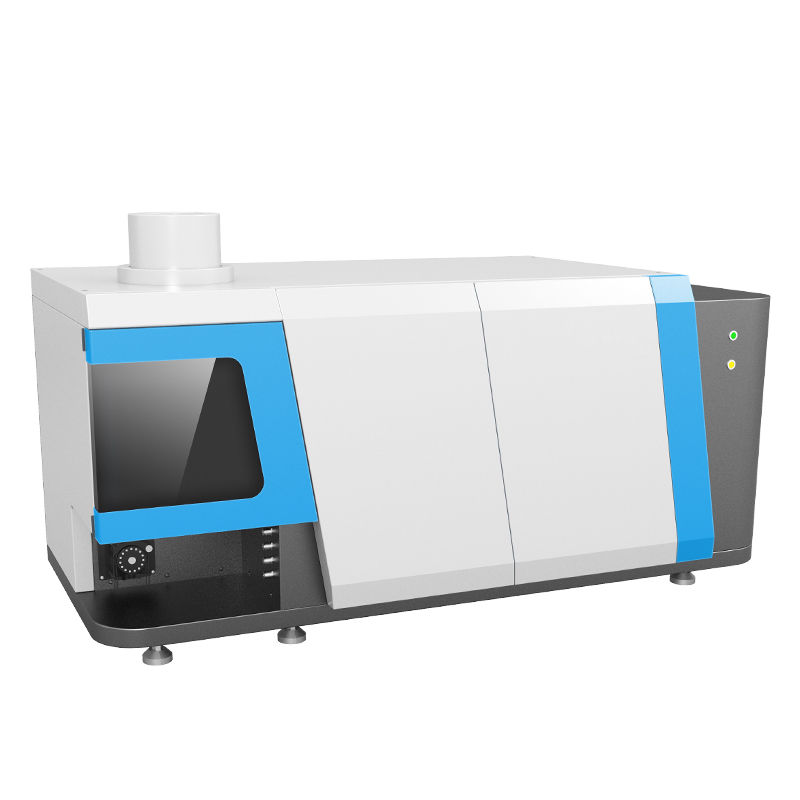
This FAQ compiles 26 authoritative answers to the questions most frequently raised by laboratory managers, analytical chemists, and procurement specialists regarding inductively coupled plasma optical emission spectrometry (ICP-OES). The questions are organized into five categories: basic principles, model selection, operation and applications, daily maintenance, and after-sales service. All specifications cited refer to the HM Instruments HM-ICP1, HM-ICP2, and HM-ICP3 product lines.
Category 1: Basic Principles (Q1–Q6)
Q1: How does ICP-OES work?
ICP-OES (Inductively Coupled Plasma Optical Emission Spectrometry) operates through three sequential physical processes: plasma generation, atomic excitation, and optical detection.
Plasma generation: Argon gas flows through a torch assembly consisting of three concentric quartz tubes. A radio-frequency (RF) generator — typically operating at 27.12 MHz or 40.68 MHz — energizes a copper load coil surrounding the outer tube. An electrical spark seeds free electrons into the argon stream, and the RF field accelerates these electrons to collide with argon atoms, creating a self-sustaining plasma that reaches temperatures of approximately 6,000–10,000 K in the normal analytical zone.
Sample introduction and atomization: The liquid sample is aspirated by a peristaltic pump and delivered to a nebulizer, which converts it into a fine aerosol. The aerosol passes through a spray chamber — cooled to as low as -45 °C in the HM-ICP2 — which removes large droplets. The fine aerosol enters the plasma axially or radially, where solvent is evaporated, compounds are atomized, and atoms are further ionized and excited.
Optical emission and detection: Excited atoms return to lower energy states and emit photons at wavelengths characteristic of each element. These photons are collected by a transfer optics system, dispersed by a high-resolution grating spectrometer (or echelle polychromator), and measured by a detector such as a PMT, CCD, or CID array. The intensity of emitted light at each wavelength is proportional to the concentration of the corresponding element in the sample, enabling quantitative analysis through calibration with certified reference standards.
Because every element emits a unique set of spectral lines, ICP-OES can simultaneously determine multiple elements in a single analysis run — typically within 1–3 minutes per sample.
Q2: What is the difference between ICP-OES and AAS? When should I choose each?
Atomic Absorption Spectrometry (AAS) and ICP-OES are both widely used elemental analysis techniques, but they differ substantially in throughput, dynamic range, and capital investment.
| Feature | ICP-OES | AAS (Flame / Graphite Furnace) |
|---|---|---|
| Elements per run | Up to 70+ simultaneously | One element per measurement cycle |
| Linear dynamic range | 5–6 orders of magnitude | 2–3 orders of magnitude (flame) |
| Detection limits | 0.1–10 µg/L (element dependent) | Flame: µg/L; GF-AAS: sub-µg/L |
| Matrix tolerance | High (dilution / online dilution) | Moderate; sensitive to matrix |
| Sample throughput | High (multi-element, fast) | Lower (sequential element analysis) |
| Capital cost | Higher | Lower |
| Operating cost | Moderate (argon consumption) | Lower (air/acetylene or graphite tubes) |
Choose ICP-OES when: routine batches require simultaneous multi-element quantification; sample throughput is high; the matrix is complex; or the dynamic range of AAS is insufficient for your analyte concentration range.
Choose AAS when: only one or two elements need to be measured; budget constraints favor a lower capital outlay; or trace-level detection of specific elements (e.g., Pb by GF-AAS) is the primary requirement.
Q3: Why is argon gas used in ICP-OES? What purity is required?
Argon is the preferred plasma gas for ICP-OES for several interconnected reasons:
Inertness: As a noble gas, argon does not react with analyte elements or form interfering molecular species at plasma temperatures.
Ionization energy: Argon has a first ionization energy of 15.76 eV, which is high enough to efficiently ionize and excite most elements of analytical interest (ionization energies below ~15 eV) while minimizing background emission from the plasma gas itself.
Thermal properties: Argon sustains a stable, high-temperature plasma (6,000–10,000 K) under RF excitation, providing sufficient energy for complete atomization and excitation of refractory elements such as B, P, S, and rare earth elements.
Availability: Argon is commercially available in high-purity grades at reasonable cost in most industrial countries.
Purity requirements: A minimum purity of 99.996% (grade 4.6 or higher) is required for routine operation. For trace analysis at sub-µg/L detection levels, 99.999% (grade 5.0) argon is recommended. Impurities such as moisture (H₂O), oxygen, and hydrocarbons in the argon supply will increase background emission, degrade plasma stability, and reduce torch service life. Using a gas purifier inline with the argon supply is advisable when the supply quality cannot be verified, particularly for nitrogen content, which can cause spectral background shifts.
Q4: Which elements can ICP-OES detect? Are there any limitations?
ICP-OES can determine the majority of metallic and several non-metallic elements in the periodic table. The HM-ICP2 and HM-ICP3, with full-spectrum coverage from 165 to 900 nm, can measure over 70 elements simultaneously. The HM-ICP1 covers 190–500 nm and is optimized for elements commonly required in petrochemical analysis.
Elements well-suited for ICP-OES analysis: All alkali and alkaline earth metals; transition metals (Fe, Cu, Mn, Zn, Ni, Co, Cr, Mo, etc.); rare earth elements (La, Ce, Pr, Nd, Sm, Eu, Gd, Tb, Dy, Ho, Er, Tm, Yb, Lu, Y); refractory elements (W, Ta, Nb); and non-metals such as B, P, and S (using vacuum UV or purged optics).
Known limitations:
Halogens (F, Cl, Br, I): These elements either lack sensitive emission lines accessible to standard ICP-OES optics or exhibit very high ionization energies, making them difficult to determine by this technique. Alternative methods such as ion chromatography (IC) or ICP-MS are preferred.
Noble gases (He, Ne, Ar, Kr, Xe, Rn): Not analytically practical; argon in particular contributes strongly to the plasma background.
Carbon (C) and nitrogen (N): Can be measured but require specific wavelengths in the vacuum UV range (below 165 nm) and a fully purged or vacuum optical path.
Mercury (Hg): Volatile and prone to memory effects; cold vapor atomic fluorescence spectrometry (CV-AFS) is often preferred for trace Hg determination, though ICP-OES can measure Hg in concentrated samples.
Ultra-trace applications: For elements at parts-per-trillion (ppt) levels, ICP-MS provides lower detection limits than ICP-OES.
Q5: What is linear dynamic range? What range does ICP-OES provide?
The linear dynamic range (LDR) of an analytical instrument describes the concentration interval over which the instrument's response (signal intensity) is linearly proportional to analyte concentration. Within this range, calibration curves have a constant slope, and quantification is straightforward. Beyond the upper end of the LDR, the detector saturates or the plasma becomes self-absorbed, causing the calibration curve to roll over and underestimate true concentration.
ICP-OES offers an LDR of approximately 5 to 6 orders of magnitude (i.e., 10⁵ to 10⁶). In practical terms, this means a single calibration covering 0.001 µg/L to 1,000 mg/L can be used without sample dilution for most analytes. For comparison, flame AAS typically provides 2–3 orders of magnitude, requiring multiple dilutions and separate analytical runs for samples of widely varying concentrations.
The wide LDR of ICP-OES is particularly valuable in applications such as:
Environmental water analysis, where trace metals (below detection limits of AAS) and major cations (calcium, magnesium at mg/L levels) must be determined simultaneously.
Metallurgical analysis, where major alloying elements and trace impurities are measured in the same dissolution.
Food and agriculture laboratories, where nutrient elements and toxic heavy metals span widely different concentration ranges.
Q6: What detection limits can ICP-OES achieve? What factors affect detection limits?
Instrument detection limits (IDL) for ICP-OES are element-dependent and typically range from 0.1 µg/L (ppb) to 10 µg/L (ppb) for most elements in aqueous matrices. The HM-ICP2, for example, achieves an IDL of 0.1 µg/L for elements such as Cu, Mn, and Zn under optimized conditions, while the HM-ICP3 achieves 1–10 ppb for the full suite of measurable elements.
Factors that influence detection limits:
Wavelength selection: Choosing the most sensitive, least interfered emission line for each element is critical. High-resolution spectrometers (resolution ≤ 0.007 nm) are essential for separating closely spaced emission lines in complex matrices.
RF power and plasma conditions: Optimizing RF power (typically 800–1,600 W), nebulizer flow rate, and observation height affects analyte excitation efficiency and plasma background.
Spray chamber temperature: Cooling the spray chamber (to -20 °C for HM-ICP1 or -45 °C for HM-ICP2) reduces solvent loading to the plasma, lowering background noise and improving signal-to-noise ratio.
Integration time: Longer integration times improve signal-to-noise ratio but reduce sample throughput; a balance must be struck based on application requirements.
Matrix effects: High dissolved solids, organic solvents, and acids can suppress or enhance analyte emission. Matrix matching, internal standardization, or standard additions mitigate these effects.
Detector type: Full-spectrum CCD and CID detectors with low read noise and high quantum efficiency improve detection limits compared to earlier detector technologies.
Blank contamination: Reagent purity, glassware cleanliness, and laboratory air quality significantly affect practical method detection limits in routine use.
Category 2: Model Selection (Q7–Q11)
Q7: What are the differences between HM-ICP1, HM-ICP2, and HM-ICP3?
The three HM Instruments ICP-OES models are designed for distinct application profiles and budgets. The following table summarizes their key specifications:
| Specification | HM-ICP1 | HM-ICP2 | HM-ICP3 |
|---|---|---|---|
| Primary application | Petrochemical / oil analysis | General laboratory (multi-element) | Research / high-precision analysis |
| Detector | PMT (photomultiplier tube) | CCD (million-pixel array) | CID (charge injection device) |
| Wavelength range | 190–500 nm | 165–900 nm | 165–900 nm |
| Optical resolution | ≤ 0.008 nm | ≤ 0.007 nm @ 200 nm | < 0.007 nm |
| Spectrometer | Czerny-Turner, 1000 mm, 3600 L/mm | Echelle polychromator | Echelle polychromator |
| RF power range | 800–1,600 W | 500–1,600 W | 700–1,500 W |
| Spray chamber temp. | -20 °C (Peltier) | -45 °C (TEC) | 35 ± 0.1 °C (thermostated) |
| RSD (precision) | Not specified separately | ≤ 0.5% | < 0.5% |
| Detection limit | Competitive for listed elements | 0.1 µg/L | 1–10 ppb |
| List price (approx.) | USD 39,000 | USD 48,000 | USD 56,000 |
The HM-ICP1 is purpose-built for petrochemical laboratories requiring a dedicated solution for elements such as Ca, Mg, Fe, Ni, V, Na, Ba, Zn, and P in fuels and lubricants. The HM-ICP2 provides a cost-effective full-spectrum platform for laboratories requiring simultaneous multi-element coverage. The HM-ICP3 is directed at laboratories where CID detector advantages — including non-destructive readout, random access, and resistance to overexposure — justify the higher investment.
Q8: What is the difference between CCD and CID detectors?
Both CCD (charge-coupled device) and CID (charge injection device) are solid-state array detectors used in full-spectrum ICP-OES instruments. They share the fundamental principle of accumulating photon-generated charge in silicon pixels, but differ in architecture and operational behavior:
| Property | CCD | CID |
|---|---|---|
| Readout mechanism | Charge shifted sequentially through pixel rows to edge amplifiers (destructive readout) | Charge injected and read in-situ for each pixel (non-destructive readout) |
| Blooming / overexposure | Excess charge can spill into adjacent pixels, affecting nearby wavelengths | Resistant to blooming; each pixel addressed independently |
| Dynamic range (single exposure) | Moderate; multiple integrations sometimes required for high-contrast samples | Extended due to non-destructive readout and charge injection capability |
| Random access | Limited; full array or sub-array readout | Full random pixel access — any pixel can be read individually |
| Read noise | Very low (modern back-illuminated CCDs) | Slightly higher than optimized CCDs but acceptable for ICP-OES use |
| Typical use | HM-ICP2 (million-pixel CCD) | HM-ICP3 (same detector type as Thermo Fisher high-end systems) |
For most routine multi-element analyses, a high-quality CCD delivers excellent performance. CID detectors provide an advantage in analyses involving extremely bright emission lines (major matrix elements) alongside very weak lines (trace analytes) in the same spectrum — a situation common in metallurgical and research applications.
Q9: Which HM Instruments ICP-OES model is best for petrochemical analysis?
The HM-ICP1 is specifically engineered for petrochemical and lubricant oil analysis. Its design features directly address the technical demands of this application area:
High-resolution Czerny-Turner spectrometer with a 1000 mm focal length and 3600 L/mm grating (≤ 0.008 nm resolution) provides the spectral resolving power needed to separate emission lines in complex hydrocarbon matrices.
-20 °C spray chamber is optimized for oil sample nebulization, reducing organic solvent loading to the plasma and extending torch and nebulizer service intervals when using organic solvents or semi-dissolved petroleum samples.
RF power range of 800–1,600 W enables robust plasma conditions required for complete combustion of organic matrices.
PMT detection delivers high sensitivity for the specific wavelength channels needed in petrochemical methods such as ASTM D5185 (wear metals and contaminants in used lubricating oils) and GB/T 17476 (Chinese equivalent).
Wavelength range of 190–500 nm covers the primary analytical lines for Ca (317/393 nm), Mg (279/285 nm), Fe (238/259 nm), Ni (231 nm), V (292/311 nm), Na (589 nm excluded — but handled via PMT selection), Ba (455 nm), Zn (213 nm), and P (178/213 nm).
At a price of approximately USD 39,000, the HM-ICP1 offers a purpose-built solution for petroleum refineries, lubricant quality control laboratories, and fuel testing facilities.
Q10: Which model is recommended for research labs vs. routine testing labs?
Research laboratories typically require the broadest wavelength coverage, highest resolution, maximum flexibility in method development, and the ability to handle diverse and challenging matrices. The HM-ICP3 is recommended for research environments due to its CID detector (same detector category used in leading international research-grade ICP-OES systems), full 165–900 nm wavelength coverage, sub-0.007 nm resolution, and precision spray chamber (35 ± 0.1 °C thermostatic control) that ensures long-term stability in extended analytical sequences.
Routine testing laboratories — such as contract environmental labs, quality control departments, and multi-client service labs — prioritize throughput, ease of use, reliability, and cost of ownership. The HM-ICP2 is well-suited to these environments. Its million-pixel CCD detector provides full-spectrum simultaneous measurement, the -45 °C TEC-cooled spray chamber minimizes solvent noise, and its RSD of ≤ 0.5% supports robust batch analysis. At USD 48,000, it provides full-spectrum capability at a moderate investment relative to the HM-ICP3.
Laboratories with a dedicated focus on petrochemical or lubricant oil analysis — where the analyte suite and matrices are well-defined — will find the HM-ICP1 the most cost-effective choice at USD 39,000.
Q11: What are the advantages of PMT vs. full-spectrum detectors?
Photomultiplier tubes (PMT) and full-spectrum solid-state detectors (CCD/CID) represent two generations of ICP-OES detection technology, each with distinct strengths:
| Criterion | PMT | Full-Spectrum (CCD/CID) |
|---|---|---|
| Sensitivity | Extremely high for selected wavelengths; internal gain of 10⁶–10⁷ | High; determined by pixel quantum efficiency and read noise |
| Element coverage per run | Limited to pre-selected wavelengths (channels) | All elements measurable in a single exposure |
| Flexibility | Low; changing elements requires hardware modification | High; any wavelength selectable via software |
| Background correction | Manual off-peak selection; limited | Automated off-peak and multi-point background correction |
| Spectral interference check | Limited to configured wavelengths | Full inter-element correction (IEC) across entire spectrum |
| Best application | Dedicated, high-throughput analysis of fixed element lists (e.g., ASTM D5185) | Research, environmental, food, and multi-industry labs needing flexibility |
PMT-based systems such as the HM-ICP1 retain an advantage for applications where a fixed suite of elements is routinely measured under demanding organic matrix conditions, and where the high gain of the PMT maximizes sensitivity for low-level analytes. Full-spectrum detectors are preferred wherever analytical flexibility, spectral verification, or simultaneous multi-element coverage beyond a fixed channel set is required.
Category 3: Operation & Applications (Q12–Q17)
Q12: Does petroleum sample analysis require special sample preparation with ICP-OES?
Yes. Petroleum samples — including crude oil, diesel fuel, gasoline, lubricants, and gear oils — require preparation steps that differ from standard aqueous sample preparation:
Direct dilution with organic solvents: Many petroleum methods (e.g., ASTM D5185, ASTM D7111, GB/T 17476) use direct dilution of the oil sample in a solvent such as kerosene, xylene, or 4-methyl-2-pentanone (MIBK). This approach preserves trace element speciation but requires that the ICP-OES plasma is conditioned for organic matrices by increasing RF power (typically 1,200–1,600 W), using an oxygen addition kit to prevent carbon deposition on the torch injector, and employing an oil-resistant nebulizer (e.g., V-groove or parallel-path nebulizer).
Dry ashing or wet acid digestion: For accurate total element determination in heavy crude or asphaltenic samples, dry ashing at 500 °C followed by dissolution in dilute acid, or microwave-assisted acid digestion (HNO₃/H₂SO₄/HClO₄), converts the organic matrix to an aqueous form compatible with standard ICP-OES nebulizers. This method is slower but reduces organic matrix interference.
Emulsification: Some trace element methods use surfactants to form stable oil-in-water emulsions for introduction into the ICP-OES. This approach is suitable for lighter oils.
Vehicle urea solutions (AdBlue / DEF): Aqueous urea solutions require dilution and pH adjustment before analysis; the high nitrogen content can slightly affect plasma stability at high RF power settings.
The HM-ICP1's -20 °C spray chamber and adjustable RF power (800–1,600 W) are designed to accommodate all of these preparation approaches with minimal modification to the standard instrument configuration.
Q13: How long does warm-up take before analysis can begin?
A typical ICP-OES instrument requires a warm-up period to achieve thermal and electronic stability before quantitative analysis can begin. For HM Instruments ICP-OES systems, the following warm-up sequence applies:
Instrument power-on to software ready: Approximately 5 minutes for electronics, RF generator, and cooling systems to initialize.
Plasma ignition to stability: After the plasma is ignited, a stabilization period of 15–20 minutes is recommended to allow the optical bench temperature, spray chamber temperature, and plasma emission intensity to reach equilibrium. The HM-ICP3's 35 ± 0.1 °C thermostated optical chamber requires this equilibration time to achieve its specified precision.
Total ready-to-analyze time: Under normal conditions, the instrument is ready for calibration and analysis approximately 20–30 minutes after plasma ignition.
In practice, if the laboratory runs the instrument on a regular daily schedule, leaving the system in a standby plasma mode (lower RF power, typically 500–700 W for the HM-ICP2's minimum of 500 W) between analysis batches reduces the required re-equilibration time. For the HM-ICP1, the minimum RF power of 800 W means standby plasma operation uses more argon than the HM-ICP2 in low-power mode.
Q14: How do I select the optimal analytical wavelength?
Wavelength selection is one of the most consequential decisions in ICP-OES method development. The general process involves:
Identify candidate wavelengths: Consult the instrument's built-in wavelength database or published references (e.g., NIST Atomic Spectra Database) for the most sensitive emission lines of each analyte element.
Check for spectral interferences: Scan a concentrated matrix solution (without the analyte) and a multi-element standard across each candidate wavelength to identify co-eluting emission lines from matrix elements. The HM-ICP2 and HM-ICP3's resolution of ≤ 0.007 nm allows separation of closely spaced lines that would overlap at lower resolution.
Evaluate sensitivity vs. interference trade-off: The most sensitive line (strongest emission) is not always the optimal choice if it overlaps with a matrix emission. A slightly less sensitive but interference-free line often provides better accuracy.
Apply inter-element correction (IEC): Where interference cannot be avoided by wavelength change, IEC factors calculated from pure matrix solutions can correct for the overlap contribution mathematically — a capability available on full-spectrum HM-ICP2 and HM-ICP3 systems.
Verify with certified reference materials: The final wavelength selection should be validated by analyzing certified reference materials (CRMs) representative of the sample matrix, confirming accuracy and recovery.
For routine methods following published standards (e.g., EPA 200.7, HJ 776, ASTM D5185), the standard itself specifies wavelengths and acceptable alternatives, simplifying this process considerably.
Q15: What is the internal standard method and when should it be used?
The internal standard (IS) method involves adding a known concentration of a reference element — typically one not present in the samples — to all calibration standards, blanks, and unknowns at the same level. The analytical signal is expressed as the ratio of analyte intensity to internal standard intensity. This ratio remains constant regardless of variations that affect both signals equally, thereby compensating for:
Nebulizer drift: Gradual changes in uptake rate due to peristaltic pump tubing wear or nebulizer fouling.
Plasma instability: Short-term fluctuations in RF coupling, gas flow, or temperature that affect overall emission intensity.
Matrix viscosity effects: Samples with higher viscosity than calibration standards introduce less aerosol to the plasma; the IS corrects for this proportionally.
Long-sequence drift: Over extended analytical runs of 50–200 samples, instrumental drift can accumulate; IS ratioing maintains accuracy without requiring frequent recalibration.
Common internal standards used in ICP-OES: Yttrium (Y 371.0 nm), scandium (Sc 361.4 nm), indium (In 325.6 nm), and terbium (Tb) are frequently selected because they are rarely present in environmental or petrochemical samples at significant concentrations and their emission lines are relatively free of interferences.
When to use IS: Always recommended for organic matrix analysis (petroleum, biological fluids), for samples with variable total dissolved solids, and for unattended overnight runs. For aqueous matrices with simple, stable compositions and short run times, IS may be optional but adds a useful quality control layer.
Q16: How do I handle high-salt or high-matrix samples?
High-matrix samples — such as seawater, brine, digested soil, or highly concentrated industrial effluents — present two primary challenges: nebulizer and torch clogging from salt deposition, and matrix-induced suppression or enhancement of analyte signals. Recommended approaches include:
Sample dilution: The simplest and most reliable approach. For samples with total dissolved solids (TDS) above ~2,000 mg/L, dilution to below this threshold eliminates most matrix effects and prevents torch salt buildup. The wide linear dynamic range of ICP-OES typically keeps analytes measurable even after substantial dilution.
Matrix matching: Preparing calibration standards in the same matrix (e.g., 2% NaCl in seawater analysis) ensures that matrix effects affect calibrants and unknowns equally, yielding accurate results without further dilution.
Standard additions method: When the matrix cannot be replicated or diluted adequately, spike known amounts of analyte into the sample itself and extrapolate to zero addition. This corrects fully for matrix-induced signal changes but requires more measurements per sample.
Online dilution accessories: Some instrument configurations support automatic online dilution, which dilutes the sample stream before it reaches the nebulizer, reducing TDS without manual dilution steps.
High-solids nebulizers and torches: Cross-flow or cyclonic spray chambers, and torches with wider injector tubes (2.0–3.0 mm ID), reduce clogging risk with high-particulate or high-salt samples.
Intelligent attenuation (HM-ICP3): The HM-ICP3's intelligent attenuation feature (100x range) allows automatic adjustment of measurement conditions for major matrix element lines, preventing detector saturation while trace elements are measured simultaneously.
Q17: How do I develop and validate an analytical method?
Method development and validation in ICP-OES follows a structured process aligned with international guidelines (e.g., ISO/IEC 17025, EURACHEM/CITAC CG4):
Define scope and requirements: Identify the target analytes, expected concentration ranges, sample matrix, and applicable regulatory standards (e.g., EPA 200.7, HJ 776, GB/T 14505).
Select wavelengths and instrument parameters: As described in Q14. Optimize RF power, nebulizer flow, and viewing mode (axial or radial) to maximize sensitivity while minimizing background.
Prepare calibration standards: Use certified single- or multi-element standard solutions. Cover the expected analyte range with at least 5 calibration points; verify linearity by plotting residuals from the calibration curve.
Determine method detection limit (MDL): Analyze a minimum of 7 replicate preparations of a low-level standard (2–5 times the estimated detection limit) and calculate MDL = t(n-1, 0.99) × s, where s is the standard deviation of replicates.
Assess accuracy and recovery: Analyze at least two certified reference materials representative of the sample matrix. Acceptable recovery is typically 90–110% for most regulatory methods.
Evaluate precision: Measure repeatability (within-run, n ≥ 7) and reproducibility (between-run, over multiple days). RSD should comply with method requirements; ICP-OES systems like the HM-ICP2 and HM-ICP3 deliver RSD ≤ 0.5% under optimized conditions.
Assess interferences: Spike matrix solutions at relevant concentrations and verify that recovery is within acceptable limits. Apply IEC corrections as needed.
Document and implement quality controls: Incorporate calibration blanks, continuing calibration verification (CCV) standards, laboratory control samples (LCS), and matrix spikes into the routine batch workflow.
Category 4: Daily Maintenance (Q18–Q22)
Q18: How often should the torch be cleaned?
The frequency of torch cleaning depends on the sample matrix, daily usage hours, and the type of samples analyzed. General guidelines are as follows:
Aqueous matrices (water, dilute acid digests): Visual inspection weekly; cleaning monthly or when visible salt deposits or discoloration are observed. Under normal conditions, the torch may operate for 200–500 hours between cleanings.
Organic matrices (petroleum, organic solvents): Inspect after every 8-hour shift or approximately 20–40 sample runs. Carbon deposition on the inner injector tube is common; clean with a dilute HNO₃ rinse or mild abrasive paste as needed. Using oxygen injection accessories (optional for HM-ICP1) significantly reduces carbon buildup frequency.
High-salt or particulate samples: Inspect the torch injector after each batch of high-TDS samples. Salt crystallization at the injector tip can extinguish or destabilize the plasma; a brief rinse with deionized water before shutdown mitigates this.
Cleaning procedure: Remove the torch from the instrument after complete cooldown. Soak in 10% HNO₃ solution for 30–60 minutes, then rinse thoroughly with deionized water and dry. Avoid abrasive cleaners on the outer quartz surface. Inspect for cracks, discoloration (permanent staining), or injector bore distortion; replace the torch if these are observed. Fused quartz torches should not be touched with bare hands — use clean gloves to prevent surface contamination that causes localized heating.
Q19: How should the nebulizer and peristaltic pump tubing be maintained?
Nebulizer maintenance:
After each analysis session, flush the nebulizer with deionized water for at least 5 minutes to remove residual sample salts or organic solvents.
If the nebulizer tip becomes clogged, soak in 10% HNO₃ for 15–30 minutes and rinse with deionized water. Do not use metal tools or wires to clear the nebulizer orifice, as this will enlarge or deform the critical tip geometry and permanently alter the droplet size distribution.
Pneumatic concentric nebulizers used in aqueous applications typically last 12–24 months under routine use. V-groove and parallel-path nebulizers used for organic matrices may require more frequent inspection for tip wear.
Inspect O-rings and connection fittings monthly; replace if cracking or flattening is observed, as leaks at these points introduce air into the argon gas path and destabilize the plasma.
Peristaltic pump tubing maintenance:
Peristaltic pump tubing is a consumable item. Under continuous daily use, Tygon or PVC pump tubing typically requires replacement every 1–4 weeks, depending on the acidity and organic content of the samples.
Release the pump head clamp at the end of each analytical session to prevent permanent deformation of the tubing bore, which degrades flow rate consistency over time.
Check tubing bore size annually against the manufacturer's specification; worn tubing with a reduced bore will reduce sample uptake rate and cause low analyte recovery.
For samples containing concentrated HF or organic solvents, use chemically resistant tubing (e.g., Solvaflex, Viton) rather than standard Tygon.
Q20: How should the instrument be stored when not in use?
Proper storage procedures when the instrument is not in use protect optics, electronics, and sample introduction components from humidity, contamination, and mechanical stress:
Short-term shutdown (overnight or weekend): Extinguish the plasma after completing the rinse sequence. Continue flowing argon at a low rate for 5–10 minutes after plasma extinction to purge residual sample vapors from the torch and nebulizer. Power down the RF generator and allow the instrument to cool with the exhaust ventilation still running. Leave the optical bench thermostating active if continuous power is available — this maintains the spectrometer at its operating temperature, reducing the equilibration time required for the next session.
Medium-term shutdown (1–4 weeks): Remove and clean the torch, nebulizer, and spray chamber. Store these components dry in sealed bags. Close the argon supply valve at the cylinder but leave a small residual pressure in the instrument's internal gas lines. Cover all liquid sample and drain lines to prevent laboratory air from entering and depositing airborne contaminants.
Long-term storage (over one month): In addition to the above, disconnect and clean all peristaltic pump tubing. Store the pump with rollers in the open (unloaded) position. Verify that the laboratory temperature and relative humidity remain within the instrument's storage specifications (typically 10–40 °C, 20–80% RH non-condensing). Covering the instrument with a dust cover protects optical windows from airborne particles.
Q21: How much argon gas does the instrument consume?
Argon consumption is a significant operating cost consideration for ICP-OES. Typical flow rates and daily consumption for HM Instruments systems are:
| Gas flow | Typical flow rate | Daily consumption (8 h plasma-on) |
|---|---|---|
| Plasma (outer) gas | 12–15 L/min | 5,760–7,200 L |
| Auxiliary (intermediate) gas | 0.5–1.5 L/min | 240–720 L |
| Nebulizer (carrier) gas | 0.5–1.0 L/min | 240–480 L |
| Purge gas (optics, if applicable) | 0–2 L/min | 0–960 L |
| Total per 8-hour day | — | Approx. 6,240–9,360 L (6.2–9.4 m³) |
A standard 50-liter high-pressure argon cylinder (at 200 bar) contains approximately 10,000 liters of argon at atmospheric pressure. Under continuous daily operation, one cylinder lasts approximately 1–1.5 days. High-volume laboratories typically connect a liquid argon supply (Dewar tank) or a bulk gas system, which significantly reduces the cost per liter and the frequency of cylinder changes. The HM-ICP2's ability to operate at a minimum of 500 W RF power in standby mode reduces argon consumption during low-intensity periods relative to the HM-ICP1 (minimum 800 W).
Q22: What should I do if the thermostated optical chamber shows an anomaly?
The thermostated optical chamber (present on all HM Instruments ICP-OES models; ± 0.1 °C control on the HM-ICP3) maintains spectral position stability by keeping the Echelle or grating spectrometer at a constant temperature. An anomaly in the thermostat system can cause wavelength drift, resolution degradation, and poor reproducibility. Recommended diagnostic and response steps:
Check the error code or alarm message in the instrument control software. Common faults include thermostat sensor failure, cooling element (Peltier/TEC) fault, or loss of set-point control.
Verify ambient laboratory conditions: If the laboratory temperature has risen significantly above normal (e.g., air conditioning failure), the thermostat system may be unable to maintain set point. Restore normal ambient conditions first.
Inspect cooling airflow vents at the rear and bottom of the instrument for dust blockage. Accumulated dust on the heat sink fins of TEC modules reduces cooling efficiency. Carefully clean with compressed air (instrument powered off).
Do not continue analysis if the optical chamber temperature is outside the specified control range (e.g., more than ±1 °C from set point). Wavelength calibration will be invalid and analytical results will be unreliable.
Contact HM Instruments service support if the anomaly persists after environmental and airflow checks. The 280 nationwide service centers maintain a 24-hour response commitment, and thermostat system repairs typically do not require returning the instrument to the factory.
Category 5: After-Sales Service (Q23–Q26)
Q23: What is the warranty period and what does it cover?
All HM Instruments ICP-OES spectrometers (HM-ICP1, HM-ICP2, and HM-ICP3) come with a 12-month manufacturer's warranty from the date of instrument acceptance (commissioning and customer sign-off), or from the date of delivery if commissioning is delayed for reasons attributable to HM Instruments.
What the warranty covers:
Defects in materials and workmanship in all permanently installed instrument components, including the RF generator, optical spectrometer, detector, power supply, and control electronics.
Repair or replacement (at HM Instruments' discretion) of failed components that fail under normal operating conditions as described in the user manual.
On-site labor costs for warranty repairs at the customer's facility, including travel within normal service zone coverage.
What the warranty does not cover:
Consumable items: torch, nebulizer, spray chamber, pump tubing, argon gas, and sample introduction fittings are not covered under warranty as they have finite service lives.
Damage resulting from improper operation, failure to follow maintenance procedures, or use outside specified operating conditions.
Damage caused by power surges, flooding, or other environmental events not attributable to instrument design.
Extended warranty and service contract options beyond the standard 12-month period are available through HM Instruments' after-sales service team.
Q24: How do I access the nationwide 280 service centers?
HM Instruments operates a network of 280 authorized service centers distributed across China, providing geographic coverage in all major provincial capitals and key industrial cities.
To access service center support:
Hotline and online portal: Contact the HM Instruments national customer service hotline (available on the product documentation and corporate website) to report an instrument fault or request service. The service coordinator will log the request and route it to the nearest qualified service center.
Service center locator: The HM Instruments website provides a searchable map-based locator tool that allows customers to identify the nearest authorized service center by province or city.
Scheduled maintenance visits: Customers who have purchased annual service contracts can schedule preventive maintenance visits directly with their assigned regional service engineer.
24-hour response commitment: For warranty and in-contract customers reporting active instrument faults, HM Instruments commits to an initial response (remote diagnosis by telephone or video) within 24 hours of the service request being logged. On-site service is scheduled based on fault severity and geographic proximity of the nearest service center.
Service records, spare parts history, and calibration documentation are maintained in HM Instruments' centralized service management system, enabling continuity of support regardless of which service center handles a given request.
Q25: How can I arrange on-site training?
HM Instruments provides structured on-site training as part of the instrument installation and commissioning process, as well as upon request for newly hired laboratory staff or when laboratories are establishing new analytical methods.
Standard installation training: As part of every new instrument purchase, HM Instruments' installation engineer conducts a 1–2 day on-site training session covering instrument start-up and shutdown procedures, daily maintenance, basic software operation, calibration workflow, and an introductory method development exercise using the customer's sample types where possible.
Advanced application training: Customers requiring training on specific methods (e.g., ASTM D5185 for petroleum, EPA 200.7 for water, GB/T 14505 for geological samples) can request specialized training sessions. These are conducted either at the customer's facility or at HM Instruments' application laboratory. Typical duration is 1–3 days depending on the scope.
Refresher and re-training: For customers who have purchased annual service contracts, periodic refresher training visits can be scheduled at no additional cost, subject to the terms of the specific contract.
How to arrange: Contact HM Instruments via the national service hotline or through the regional sales representative. Provide the instrument model, installation date, and a brief description of the training objectives. The service coordinator will confirm availability and scheduling within 5 business days.
Q26: What is the response time when an instrument fault occurs?
HM Instruments has established the following service response commitments for instrument faults:
| Fault severity | Description | Response commitment |
|---|---|---|
| Critical (Level 1) | Instrument completely inoperable; analysis suspended | Remote response within 24 hours; on-site engineer within 48 hours (in-service-zone) |
| Major (Level 2) | Significant performance degradation; analysis possible with limitations | Remote response within 24 hours; on-site visit scheduled within 3 business days |
| Minor (Level 3) | Non-critical fault; instrument operational with minor limitation | Remote guidance within 24 hours; on-site visit at next scheduled maintenance or within 5 business days |
Remote diagnosis capability: HM Instruments' service team can perform remote diagnostic support via the instrument's network interface (where enabled and with customer consent), allowing engineers to review error logs, check parameter settings, and guide on-site operators through corrective procedures without requiring a physical visit. This often resolves Level 2 and Level 3 faults without on-site attendance.
Customers in remote locations not covered by the standard 280-center network are serviced through the nearest authorized center, with travel time added to the quoted response window. Service contract customers receive priority scheduling over non-contract customers in the event of simultaneous service requests.
Address of this article:https://www.kjhm.net/news/icp-oes-spectrometer-faq-technical-answers.html
 Related News
-
20 / 2025-10
Programmable Quantitative Sealer for Enzyme Substrate Method Water Testing
Learn more
-
14 / 2024-09
How To Use Soil Rapid Detector To Optimize Farmland Fertilization Strategy.
Learn more
-
08 / 2026-06
Reliable Doppler Flow Velocity Meter Brand Recommendation - HM Instruments
Learn more
-
15 / 2024-10
Intelligent Environmental Monitoring: Analysis Of The Advantages Of The New Air Planktonic Bacteria Sampler.
Learn more