

 Current
Location:
How to Buy Food Testing Reagents and Accessories | HENG MEI Intelligent Manufacturing
Article Source: Hengmei Technology Release time:2026-11-19 08:40:51
Buy food testing reagents and accessories as a complete, method-compatible set. Start with the test your laboratory performs and the decisions its results support. Then specify the reagent, the exact instrument or reader, the sample matrix, the controls, and the disposable parts needed to complete a run. A purchase order written this way makes alternatives easier to evaluate and reduces delays caused by missing or incompatible supplies.
Turn your test menu into a purchasing specification
List the foods your team receives, the substances it screens for, and the procedures it already uses. Put the method identifier and revision on the purchasing specification when available. A reagent for fresh produce screening and a reagent used in a prepared sauce may have similar packaging but entirely different matrix claims. Even when a supplier names the same target, differences in intended sample types, readout, and interpretation can affect whether the product fits your existing process.
Identify the person who owns each purchasing decision. The method lead should confirm technical compatibility. Receiving staff should know what to check on delivery, and the purchasing team should know how to calculate an order quantity. If the same laboratory supports internal process checks and customer release testing, write down which method is approved for each use. This saves time when a substitute product is proposed under a short deadline.
Specify what comes with the reagent and what must be ordered separately
A kit description can include the reagent containers and the test materials while leaving out disposables your staff use before the measurement. Ask for a component list and compare it with the actual bench workflow. A simple inventory worksheet can follow the sample from receipt through labeling, transfer, handling, reading, recording, and disposal. Record the quantity required at each step and identify parts consumed by controls and repeat tests as well as by routine samples.
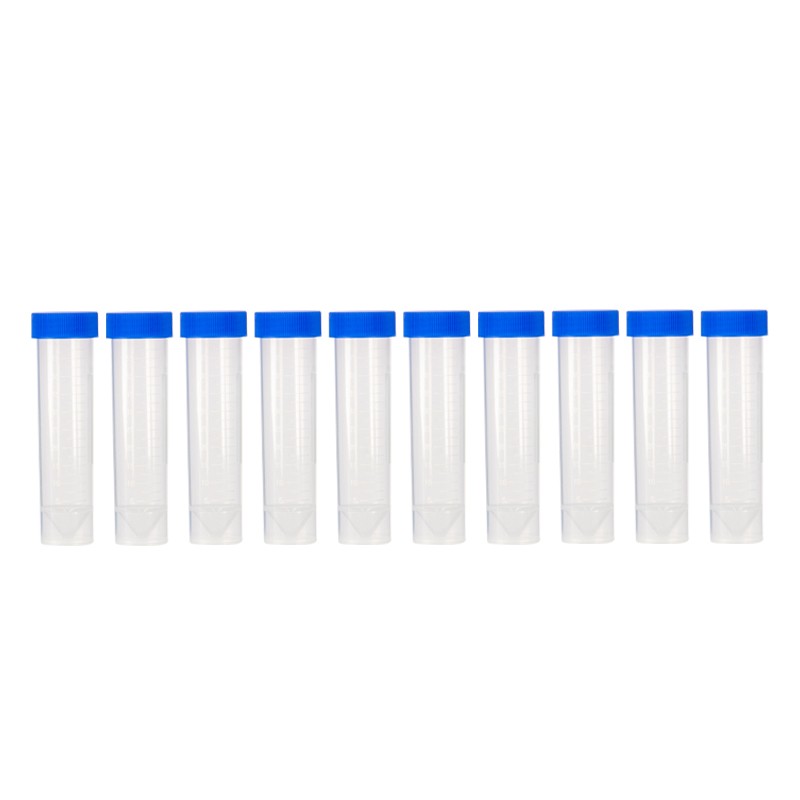
When purchasing centrifuge tubes, specify the nominal size, external dimensions, cap design, and labeling area required by your method. Ask for the manufacturer's ratings for the intended handling conditions, especially if the tubes are used in a centrifuge. Check the actual rotor and adapter requirements and use the ratings specified for that configuration. Two tubes of the same nominal volume can differ in outside diameter, cap clearance, or working fill volume, which may make them unsuitable for the same holder or planned run.
Compare offers at the level of a usable result
The box price is only one part of the cost. To compare quotes, count the number of accepted sample results you can realistically report from each pack. Include routine controls, duplicate checks and expected repeats, then consider how quickly your team can use an opened pack under the supplier's stated conditions. Separate costs driven by the number of batches from costs driven by the number of samples. This distinction matters when samples arrive in frequent small groups.
Suppose a laboratory processes five batches per week, with twelve samples and two control positions in each batch. That schedule uses seventy test positions for sixty sample results before repeats. Four additional positions for repeats bring the weekly requirement to seventy-four. If a pack contains one hundred usable positions and covers this schedule, twenty-six positions remain at the end of the week. Whether those positions are useful depends on the approved open-pack storage and the timing of the next batch.
Apply similar reasoning to tubes and other accessories. Some methods use several containers for one sample because transfers are tracked separately. A team that estimates one container per reported result may run out before the reagent stock is consumed. Count parts on a full working batch, including control positions and any repeats, and compare that number with the purchasing estimate. Revisit the count if your laboratory changes sample types or starts issuing results on a different schedule.
Ask for the information that receiving staff can verify
Before ordering, agree on the catalog identifier, pack configuration, delivery conditions, remaining shelf life, and how the lot and expiry date will appear on the packaging. For accessories, request a drawing, data sheet, or fit sample when dimensions affect use. A label or carton picture is helpful when receiving staff handle several similar products. A purchase specification that identifies the matching document revision also helps staff resolve questions when packaging changes while the catalog identifier stays the same.
On delivery, check that the shipment matches the order, that packaging is intact, and that any required conditions were maintained during transport. Record the lot numbers and expiry dates that will be needed for traceability. If a shipment arrives with damage, missing identification, or an unexplained delivery condition, set it aside and document the discrepancy before issuing it. A usable receiving checklist should provide a place to record an exception and show who can decide its disposition.
Qualify changes with the laboratory that will use the supplies
Start with a small order when replacing an established item or evaluating a new configuration. For a tube, check fit in the holder and compatibility with the intended workflow, including closure, handling with gloves and readability after labeling. For a reagent, ask the method owner to define the comparison and the acceptance criteria before the trial. Select relevant materials from the laboratory's existing quality plan and record which lots, equipment, operators, and procedures were used.
Plan what happens if the first batch does not meet the agreed criteria. Check the catalog identity, lot, documented storage, and procedure before assigning the cause. Keep the evaluation stock separate from approved supplies until the method owner has recorded the decision. Once approved, update the purchasing specification so the replacement can be identified correctly on future orders and a new team member can tell which configuration belongs at the bench.
Set reorder quantities around delivery time and shelf life
Base your reorder point on expected consumption during replenishment plus a reserve that reflects normal variation. A laboratory that uses seventy-four test positions per week would expect to use about one hundred forty-eight positions during a two-week lead time at the same pace. If the team wants another week of coverage, it can start reviewing the next order around two hundred twenty-two usable positions. Use stock that will still be within its approved use period when calculating that balance.
Review specific seasonal peaks, supplier lead time and storage constraints before placing the order. An operation that receives more samples during harvest may need a different schedule from a laboratory that runs a stable weekly workload. Consumables may warrant a different delivery cadence from reagents. Ordering tubes in larger quantities can make sense when the fit has been established and demand is steady. Reagents with a limited service period may be better purchased in smaller deliveries aligned with the expected schedule.
What should go in a request for quotation?
Include the test name, method revision, food groups, reader identification where applicable, batch size, weekly volume, and the items your team already stocks. For the accessories, provide the dimensions or equipment identifiers that determine fit. Ask for component lists, current technical sheets, packaging options and the information needed to verify the order at delivery. If you have several locations, indicate whether they use identical procedures and the same accessories before requesting a common configuration.
When discussing food testing reagents and accessories with HENG MEI Intelligent Manufacturing, the brand of Shandong Hengmei Electronic Technology Co., Ltd., share the test and supply requirements together. That gives purchasing staff a basis for comparing the total order, and it gives the laboratory a clear record of what to evaluate before adding the supplies to its routine inventory.
Address of this article:https://www.kjhm.net/news/how-to-buy-food-testing-reagents-and-accessories-heng-mei-intelligent-manufacturing.html
 Related News
-
16 / 2026-11
Micro-Volume Spectrophotometer Selection Guide | HENG MEI Intelligent Manufacturing
Learn more
-
15 / 2024-10
Intelligent Environmental Monitoring: Analysis Of The Advantages Of The New Air Planktonic Bacteria Sampler.
Learn more
-
11 / 2024-05
Pesticide Residue Detector: An Important Tool For Safeguarding Food Safety.
Learn more
-
07 / 2026-01
Veterinary Drug Residue Detector Product Knowledge Graph White Paper
Learn more