

 Current
Location:
Handheld Active Oxygen Testing: Uses and Functions
Article Source: Hengmei Technology Release time:2026-11-24 11:18:36
Where handheld active oxygen testing fits
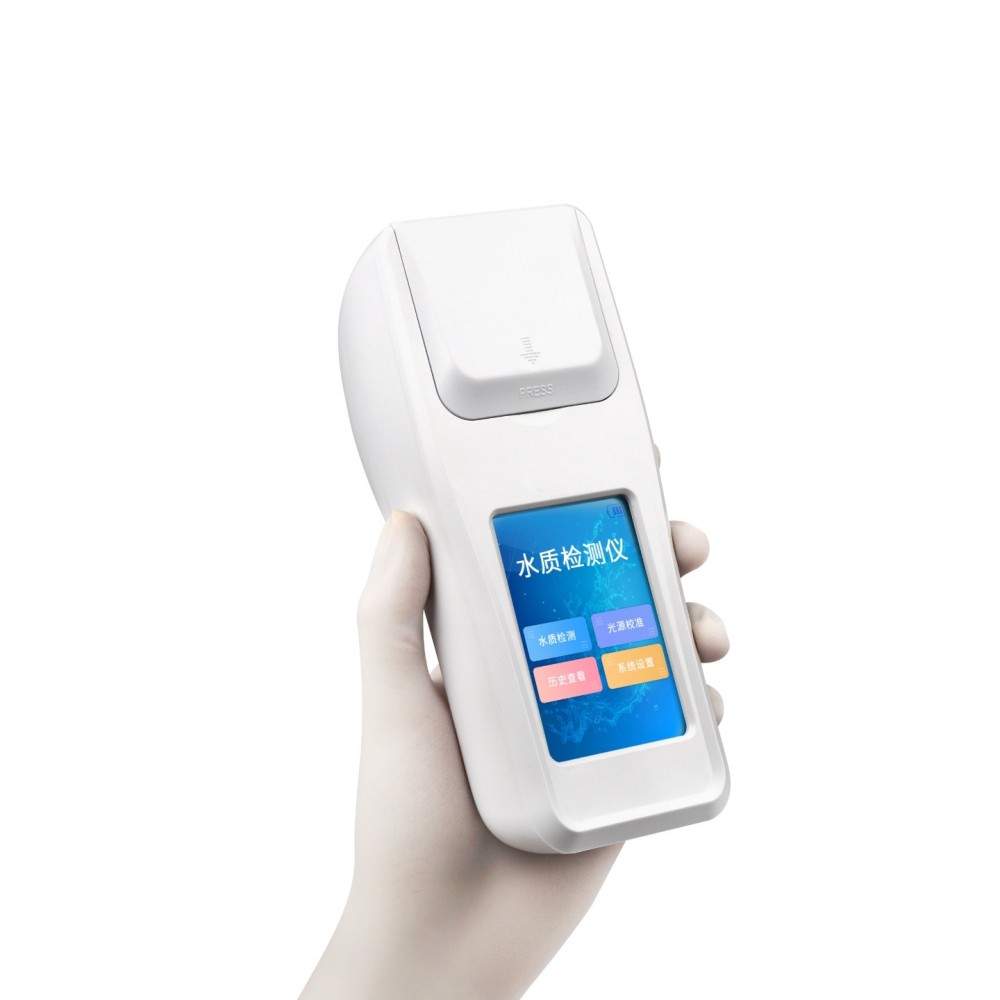
A handheld active oxygen detector helps water treatment teams check the residual left after potassium monopersulfate treatment. The HM-SAO from HENG MEI Intelligent Manufacturing uses DPD colorimetry with a 520 nm LED and measures from 0.005 to 1.0 mg/L as active oxygen. Crews can use the reading to compare sampling points, investigate changes between rounds, and decide when a result needs a second measurement or laboratory follow-up. The first step is to confirm the treatment chemistry, the intended sampling point, and the concentration range you expect at that point.
Active oxygen residual is most useful when it answers a defined operating question. You might want to see whether treated water still carries a measurable residual at a remote sampling point or whether a process change has altered the pattern across a facility. In either case, compare readings taken under equivalent conditions. A difference between samples collected at different stages of treatment or at different times after dosing may reflect those conditions as much as it reflects a change in the treatment system.
What the HM-SAO measures
Potassium monopersulfate is an oxidizing agent. In the HM-SAO method, the oxidant in the sample reacts with the DPD reagent and develops color. The instrument shines light through the prepared sample and measures absorbance at 520 nm. It converts the optical signal to a concentration through its built-in calibration curve. Results are expressed in milligrams per liter as active oxygen. Maintain that reporting basis when entering results into a spreadsheet, comparing results with another method, or handing the record to the next shift.
Residual active oxygen, dissolved oxygen and oxidation-reduction potential describe different properties of water. Dissolved oxygen describes molecular oxygen in the sample and is commonly monitored for aeration or aquatic health. Oxidation-reduction potential measures an electrical potential influenced by the overall chemistry. For a potassium monopersulfate residual check, use the active oxygen method and keep other readings in their own fields. If water undergoes a second oxidative treatment, first establish whether the sample chemistry permits a meaningful DPD reading for the residual you intend to track.
Applications by sampling objective
Drinking water treatment operations
Where potassium monopersulfate is used in an applicable treatment process, operators can compare residual at defined points after treatment or at downstream checks. For repeat rounds, keep the tap or outlet, time after dosing, and sample handling consistent. A reading associated with a treatment event gives the next operator a usable comparison. Where the water system requires another residual measurement or a formal compliance method, keep that procedure in place and use the handheld reading for the operational question it can answer.
Hospital wastewater and sewage treatment
Sampling at the end of a treatment step can help staff see whether the residual pattern has changed between batches or operating periods. Record the treatment stage and any visible sample color or suspended material along with the reading. Wastewater can change in appearance and composition, so agreement between consecutive measurements deserves more weight when both were collected and handled in the same way. Where a result is unexpected, repeat with a fresh portion and review the sampling conditions before escalating it for confirmation.
Industrial effluent
Industrial sites may need to distinguish changes tied to dosing from changes tied to the liquid entering the process. A handheld detector can be used at a consistent downstream point after potassium monopersulfate treatment, with the process stream and operating state recorded for each sample. If the product being manufactured, the wash cycle or the blend of waste streams changes, note that event in the sampling log. Samples with strong color, cloudiness or mixed oxidants warrant closer attention because their chemistry or appearance can affect the interpretation of a colorimetric result.
Aquaculture and environmental monitoring
When an aquaculture operation uses potassium monopersulfate, measurements at defined points can help staff follow the treatment residual. Identify each pond, tank or sampling location and record when it was sampled relative to treatment. Keep dissolved oxygen readings from aeration monitoring separate. Environmental teams investigating a treated discharge can apply the same location and time discipline, for example by identifying which samples were collected at the treatment outlet and which were collected farther downstream. Use the program's established criteria when deciding which samples need confirmation.
Functions that matter in the field
The 3.5-inch color touchscreen guides operators through blank and sample measurements. The dedicated reagent and optical reading convert color development into a numeric result, which is valuable when several staff members share sampling duties. Train each operator to use the same reagent, handle the cuvette consistently and follow the method's timing. The touchscreen can guide the instrument steps while the team's written procedure preserves the conditions specific to each location.
The main unit weighs 325 g and is rated for eight hours of continuous operation. The portable format is useful when samples come from several outlets, tanks or treatment stations in one round. Plan the round around access to sampling points, reagent supplies and battery charge. Keep the instrument and consumables together so an operator can complete a fresh measurement at the point of collection where conditions allow.
The HM-SAO stores more than 80,000 records and offers USB Type-C and Bluetooth connectivity. A portable Bluetooth printer is optional. Choose the output that fits the way your team uses results. For example, field staff can associate an instrument reading with a site identifier in the shift log, while a supervisor can review results across several shifts to identify where a follow-up sample is warranted. Agree in advance on a consistent way to pair each instrument record with its sampling location.
Range, dilution and interpretation
The measurement range is 0.005 to 1.0 mg/L as active oxygen, with a stated detection limit of 0.005 mg/L. The stated indication error is within ±5% over the calibration range, and repeatability is ≤1%. When planning monitoring close to the low end of the range, check whether the method can distinguish the changes your program needs to see in that water. Treat a reading below the usable measurement range according to your reporting procedure and keep it distinct from a confirmed zero.
For a sample requiring dilution, the instrument can calculate the original concentration from the dilution factor you enter. The diluted sample still needs to fall within the usable measurement range, and the dilution procedure has to be suitable for the sample. With a validated twofold dilution, a diluted reading of 0.60 mg/L corresponds to 1.20 mg/L in the original sample. Record the dilution beside the result so another operator can reconstruct the calculation. The correction applies to the concentration result and leaves the instrument's optical range unchanged.
Turning readings into a monitoring program
Start with a map of the process and select a small number of points that represent the decision you need to make. A treatment outlet can answer whether there is measurable residual after the treatment step. A farther point can show how the reading changes under comparable operating conditions. Give each point a short, stable identifier that fits in the field log. Capture the dosing event or shift and retain the same units for every entry.
Build repeat checks into the plan. For an unexpected reading, collect a fresh portion at the same location and record the time. Check the cuvette, reagent and measurement sequence for anything that could have affected the result. If repeat readings differ in a way that matters for the operating decision, retain both readings with their context and use the site's confirmation method. Compare a set of observations with local action criteria established for that process and sample type.
Before choosing an instrument, match the expected residual and sample appearance to the method, then decide which records must follow the sample through review. A small team working across several points may prioritize portability and a shared log. A facility with mixed treatment chemistry may prioritize paired checks with its laboratory. For specifications and configuration details, see the HM-SAO handheld active oxygen detector from Shandong Hengmei Electronic Technology Co., Ltd.
What to include in a product enquiry
Tell the sales team which treatment chemical you use, where you plan to sample, the expected concentration in mg/L as active oxygen, and whether the water is commonly colored or turbid. Include the number of operators and whether results need a printed record. Those details help you discuss the reagent and cuvette requirements, the optional printer, and whether the expected residual fits the handheld measurement range. If you already have a reference procedure, include its reporting units and the decision it supports so you can evaluate the fit under comparable conditions.
Choosing between spot checks and continuous monitoring
A portable detector is a good fit when an operator can visit the point, collect a sample and make a decision from a discrete measurement. It also helps compare points that lack permanent instrumentation. If your process needs a continuous trend or an immediate alarm between visits, define how online monitoring will cover that requirement and use spot checks for investigation or verification. Consider how quickly the residual may change, how often an operator can reach the point, and how long it takes to get a confirmatory result. Those timing questions affect the monitoring design as much as the number of sampling locations.
Address of this article:https://www.kjhm.net/news/handheld-active-oxygen-testing-uses-functions.html
 Related News
-
19 / 2026-11
Meat Tenderness Testing in Quality Management: An Industry Application White Paper | HENG MEI Intelligent Manufacturing
Learn more
-
28 / 2026-05
Reliable Aerosol Photometer Manufacturers — HM Instruments Brand Recommendation
Learn more
-
29 / 2025-09
Triple Advantages of Rice Freshness Testers:Efficiency, Accuracy, Convenience
Learn more
-
18 / 2026-05
Karl Fischer Moisture Analyzer Reliable Manufacturer Recommendation | HM Instruments Brand Analysis
Learn more