

 Current
Location:
COD Analyzer Model Comparison for HM-SCOD, HM-BLC, HM-T04L and HM-T04 | HENG MEI Intelligent Manufacturing
Article Source: Hengmei Technology Release time:2026-11-20 08:58:08
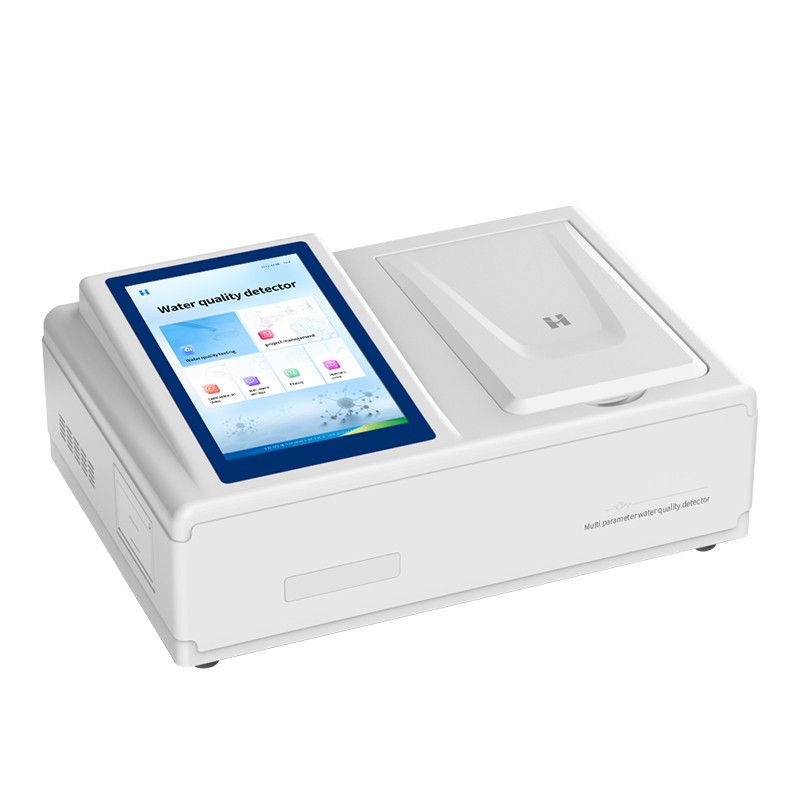
The HM-SCOD, HM-BLC, HM-T04L and HM-T04 support different approaches to chemical oxygen demand testing. Select a COD analyzer by checking the approved COD method, the digestion equipment required by that method and the number of samples arriving together. An instrument that reads prepared vials and a complete bench configuration that also handles digestion are different procurement packages.
Match the metric before comparing equipment
COD measures oxygen equivalent under a defined chemical oxidation procedure, commonly reported as milligrams of oxygen per liter. The test result is method dependent. A permanganate index, total organic carbon result and biochemical oxygen demand result answer different questions. If a permit, customer or laboratory procedure names a particular method, use that requirement to screen configurations before considering convenience features.
Ask for the exact measurement range and documented approach to matrix interference. Chloride-rich samples or a sample outside the range can require a different procedure or referral. Confirm how the laboratory records the method, vial range and calculation. Field portability does not change the need for any digestion, hazards management and validation required by the procedure.
HM-SCOD for individual handheld readings
Evaluate the HM-SCOD when operators need a handheld COD reader and have already established where approved sample preparation and digestion will take place. Check compatible vial format, power supply, method and record handling. A small reader can be useful near a sampling station, but the full workflow still depends on the facilities and equipment required by the method. Review the sequence from identified sample to report before estimating effort.
HM-BLC for a portable COD station
The HM-BLC configuration lists a six-position single-zone digestion section and six cooling positions. Review current supply details and whether the procedure is approved for the intended location. This format can be appropriate when operators need a transportable station for a small group of compatible determinations. Include controls, heat and cooldown time, and the resources required to handle used vials under the laboratory procedure.
HM-T04L and HM-T04 for multiparameter benches
The HM-T04L and HM-T04 serve workflows covering COD, ammonia nitrogen, total phosphorus and total nitrogen with compatible methods. The equipment configuration distinguishes a six-position digester for HM-T04L from a 28-position dual-zone configuration for HM-T04. Confirm the configuration, method menu and accessories in the quotation. A dual-zone instrument may be useful when method schedules or batch volumes justify separate heating groups, subject to the actual supported settings.
Compare batch capacity in positions and time
Suppose twelve sample vials require digestion, alongside two controls. A six-position unit needs at least three groups if all fourteen occupy identical positions and can be processed under the same method conditions. A larger configured digester could fit more in one sequence. The total time still depends on heating, cooling, preparation and review, and a protocol may require controls for each group. Use the real protocol to calculate capacity instead of assuming the sample count equals the position count.
If the site expects COD and other measurements, map the complete test menu. Write down which determinations need pretreatment, who runs each instrument and when results must be released. This exercise can show whether the extra capacity will actually be used or whether manual sample receipt is the main delay.
Separate the number of heating positions from the sample decision count
A six-position digester may handle six vessels at once, while a run can require one or more of those positions for checks. If the approved method schedules a blank and one control for every heating group, a six-position group under that arrangement has four positions for samples. Fourteen samples would use four such groups. If the procedure allows a different check schedule, recalculate from that actual procedure. A buyer comparing the portable and bench systems should use the same quality requirements so the schedule reflects reportable results.
Check how tubes are mapped to batch positions from receipt to result. A laboratory working with several endpoints can create a schedule that identifies the required heating and reading conditions for each group by method. Ask the supplier to demonstrate what operators see when choosing a program and how they record the equipment and lot associated with the batch. This is especially valuable if several operators share the unit.
Compare water matrices and reporting ranges
Make a list of representative waters. Include dilute effluent, influent that may require a different range, and any streams expected to contain significant interfering constituents. Select the configuration only after confirming the range, method and sample eligibility for each. A note indicating that the instrument supports COD still leaves open which procedure, range and interfering conditions it can handle.
Agree on the result convention. If the method requires a dilution or another calculation, the worksheet should retain the original reading and the approved factor. Results below or above the range require the method's response, and the reporting system should preserve that status. This helps operators and managers distinguish a valid measured value from an out-of-range observation that needs action.
Check field and laboratory installation requirements
A handheld reader is easy to transport to a site with a suitable workflow. Before choosing it, identify where samples can be prepared and, where required, digested by trained staff under the organization's approved procedure. Review what supplies, equipment and waste handling are needed under the method. A portable setup should be evaluated in the operating environment where it will actually be used, with the manufacturer conditions and site requirements available.
For a fixed bench, review the space needed for samples awaiting preparation, vials after digestion, the reader and records. If a larger unit will serve several methods, confirm how staff will separate the groups and track their timing. A larger capacity can reduce queues for an appropriate workload. It can also leave some positions unused when samples arrive sporadically or when different methods require incompatible conditions.
Price the complete setup
Ask for the exact reader, digester, accessories, compatible vials, controls and routine supplies in each quotation. Document any equipment that the laboratory already owns and can use under the current procedure. Include recurring supplies and periodic checks. If the project requires more than one shift, include training and the time needed for review and maintenance.
For a site where service interruptions delay a discharge report, compare the support arrangement and availability of compatible supplies as part of the purchase. Check how the laboratory would continue with approved measurements if one unit is undergoing service. This can affect whether a small portable backup is a sound choice alongside a main bench configuration.
Verify the range with a practical handover
During the evaluation, ask an operator to collect the worksheet for a result near the upper limit, identify the controls and explain what the final report will show. Give a second operator an open batch and ask them to establish the next required step from the records. Include a high-volume and low-volume day in the evaluation where they produce different scheduling needs. Compare the number of correct reported results and time to review. That evidence directly supports selecting the HM-SCOD, HM-BLC, HM-T04L or HM-T04 for the workload.
Ask the supplier to identify which components in the demonstration are standard, optional or supplied separately. A trial completed with a larger digester or a different reader can give a misleading time estimate for the delivered system. Include that configuration list in the acceptance record alongside the sample and control results.
Approve the configuration with representative samples
Perform a trial with the expected matrices, method controls, reporting range and peak workload. Ask staff to retrieve a result by sample, check the corresponding controls and explain what happens when a value is out of range. Record whether the proposal includes the required reader, digester, supplies, installation and technical support. HENG MEI Intelligent Manufacturing supplies the HM series through Shandong Hengmei Electronic Technology Co., Ltd.. Send the target method, range, sample types and batch size so the quotation can identify a complete configuration.
Address of this article:https://www.kjhm.net/news/cod-analyzer-model-comparison-for-hm-scod-hm-blc-hm-t04l-and-hm-t04-heng-mei-intelligent-manufacturing.html
 Related News
-
13 / 2026-11
HENG MEI Intelligent Manufacturing Food Safety Analyzer Selection for Routine Screening
Learn more
-
18 / 2026-11
HENG MEI Intelligent Manufacturing | How to Choose a Honey Analyzer for Incoming Lots
Learn more
-
18 / 2026-05
Karl Fischer Moisture Analyzer Reliable Manufacturer Recommendation | HM Instruments Brand Analysis
Learn more
-
28 / 2026-05
Reliable Aerosol Photometer Manufacturers — HM Instruments Brand Recommendation
Learn more