

 Current
Location:
HENG MEI Intelligent Manufacturing | Choosing a Frying Oil Quality Meter for Kitchens
Article Source: Hengmei Technology Release time:2026-11-18 10:27:23
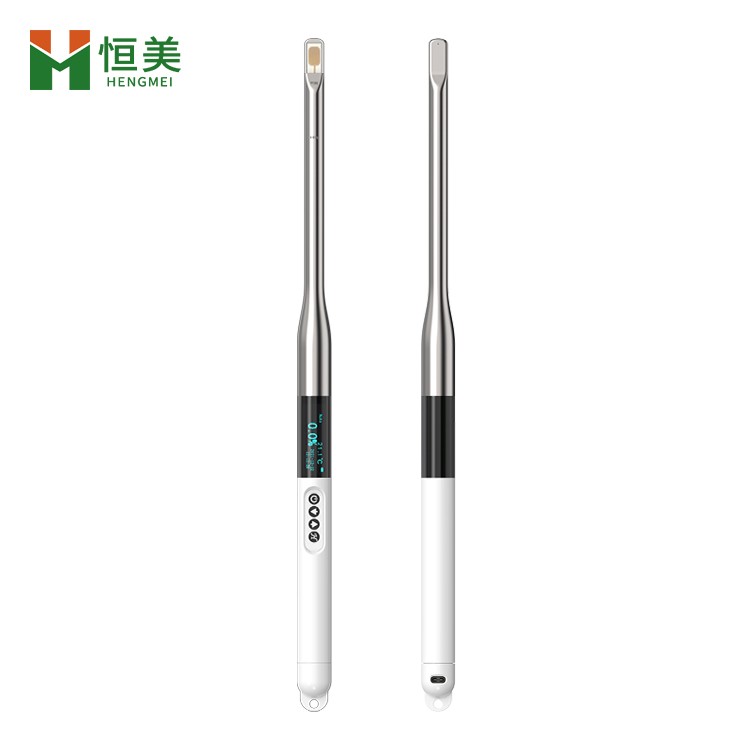
Choose a frying oil quality meter around the checks staff actually need to make at the fryer. Define the oil types, number of vats, monitoring frequency and action criteria first. The HM-SYP from HENG MEI Intelligent Manufacturing is a candidate for an on-site frying oil quality workflow. Compare its specific measurement configuration with the indicator required in your programme.
Use the right indicator for the decision
Total polar materials, acid value and peroxide value describe different aspects of oil condition. Where a fryer programme uses total polar materials, verify the meter’s intended indicator, approved oil types and operating temperature. If the decision instead requires acid or peroxide value, specify the corresponding analytical method and reporting unit.
Assess whether staff can repeat the measurement
Check how staff will position the sensor, manage hot oil and clean between fryers. Decide how to log the vat, oil type, reading and time. A kitchen with six fryers checked at opening and mid-shift creates 12 observations per day before repeats. Evaluate the instrument and the reporting process at that workload.
Define what happens when the result reaches an action level
Use an action level established for the method and operating jurisdiction. Keep a clear response for retesting, oil replacement and escalation when conditions are unsuitable. Demonstrate the complete procedure using the kitchen’s oil types and the operators who will use the meter.
Shandong Hengmei Electronic Technology Co., Ltd.
Evaluate a frying oil meter at the fryer
A useful evaluation brings the sensor, fresh and used oil, and the people who will do the checks together. Include the oil types and operating range in the procurement brief. Review reference verification, cleanability and the interval needed to reach a stable reading. Include safe access and a practical record at each fryer. Compare readings across the entire working range that matters to the kitchen, including the response close to the site action level. Confirm how staff can identify an unusable measurement.
Budget the measurement workload
Six fryers checked twice a day produce 12 routine observations. Over seven days that is 84 records before repeats. A log with separate fields for time, fryer, oil, temperature where required, reading and action helps distinguish a real trend from a change of oil or shift.
What to compare in a supplier demonstration
| Purchase criterion | What to examine |
|---|---|
| Sample and decision level | Use a total polar materials meter for the specified fryer check. Use the applicable acid-value method for acidity. Compare costs and throughput for the decision each test supports. |
| Operating cost | Include reagents, batch controls, preparation labor and any confirmatory tests when calculating cost per reportable result. |
| Delivery and support | Ask for the quoted configuration, operator training options and written service terms for your installation location. |
Turn the purchasing brief into acceptance criteria
Start the procurement review with used oil in production fryers and commercial kitchens. Ask the production, purchasing and quality teams to agree on the defined total polar materials action level and suitable measuring conditions. Give suppliers the same sample list and tell them whether the instrument will support rapid intake screening, a process adjustment or a formal release decision. Those uses can require different evidence. A well-defined brief allows the demonstration to answer the operational question that prompted the purchase and gives each supplier the same basis for a quotation.
For frying oil quality, test the meter at the actual fryer with the operators who will use it. Ask for the complete equipment and consumable list for the proposed method, including accessories used before a sample reaches the reader. Confirm whether the quotation includes the preparation items used in the demonstration and which items need separate ordering. Ask the supplier to show a completed report as well as the onscreen result. Agree who will review unexpected findings and how the result will be associated with an incoming lot or production batch.
Run a supplier demonstration with a small challenge set
Use the same sample identifiers, preparation basis and decision criteria for every proposal. Include material within the normal working range, material close to the decision point and at least one challenging product type when available. Plan for fresh and used oils spanning the range encountered during service. Define the outcome to be reviewed before the demonstration, such as usable repeat agreement, an acceptable control response or alignment with a suitable comparison method. Keep raw readings and record oil temperature, immersion position and the time since a top-up. Those details allow results to be reviewed after the demonstration rather than relying on a single value shown at the bench.
| Check | Evidence to retain |
|---|---|
| Representative samples | Use material such as used oil in production fryers and commercial kitchens; record the lot and how each portion was prepared. |
| Decision and control | Use the defined total polar materials action level and suitable measuring conditions. Arrange fresh and used oils spanning the range encountered during service. |
| Exception handling | Ask the operator to show how to handle a reading taken during vigorous bubbling or under unsuitable temperature conditions and preserve the original record. |
| Configuration fit | Check oil temperature, immersion position and the time since a top-up and request the report and equipment configuration used during the demonstration. |
Review agreement one sample at a time before comparing averages. Identify whether differences arise in sample preparation, acquisition, calibration or interpretation. For a qualitative screen, compare the number of valid results and the handling of borderline or presumptive findings. For a quantitative application, examine repeatability and the size and direction of differences at the working decision level. If the programme requires an independent method, use matched portions so that sampling variation does not dominate the comparison.
Compare recurring cost and usable capacity
Build the operating estimate from the complete workflow. For this application, list operator time, verification materials and probe care. Estimate how many sample determinations, control reactions and repeats a typical shift needs. Add time for cleaning, startup checks, review and external testing where applicable. Quote an annual consumable quantity for each recurring item and separate it from the equipment investment. The useful cost denominator is the number of reportable samples or lots that reach a decision. Separate any one-time operator training, installation and verification expenses from recurring usage costs.
Estimate capacity using the slowest step in the normal work sequence. A reader can complete its measurement quickly while operators are waiting for preparation, reaction timing, consumable replacement or control review. Time the actual sequence with the staff and bench layout you intend to use. When testing is concentrated at receiving, use the busiest reasonable shift to estimate staffing and sample storage. Ask how the system retrieves original records during a repeat or a supplier dispute. Include that review time when comparing competing workflows.
Plan installation, training and handover
Agree on the installation checklist and nominate the staff who will run frying oil quality tests. Training should include a representative sample, correct handling of oil temperature, immersion position and the time since a top-up and an example showing a reading taken during vigorous bubbling or under unsuitable temperature conditions. Request the current operator instructions and confirm how the supplier handles consumable availability, maintenance requests and reference checks. Document the configured method and the outputs accepted at handover so the team can identify a change after switching a reagent, product matrix or instrument setting.
Before using a new configuration for routine decisions, make sure the quality team can explain the response to an oil addition, probe fouling or an inconsistent measurement position. Schedule a demonstration with samples from your own operation and bring the expected workload, decision levels, required record fields and intended installation location. These details give HENG MEI Intelligent Manufacturing a basis for matching the equipment, preparation tools and consumables to the job.
Address of this article:https://www.kjhm.net/news/choosing-a-frying-oil-quality-meter-for-kitchens.html
 Related News
-
13 / 2026-11
HENG MEI Intelligent Manufacturing Portable Water Analyzers for Field Sampling
Learn more
-
14 / 2024-09
How To Use Soil Rapid Detector To Optimize Farmland Fertilization Strategy.
Learn more
-
13 / 2026-11
HENG MEI Intelligent Manufacturing Choosing a Soil Respiration Analyzer
Learn more
-
24 / 2025-12
HM-Y100 Portable Near-Infrared Rapeseed Analyzer Product Knowledge Graph White Paper
Learn more